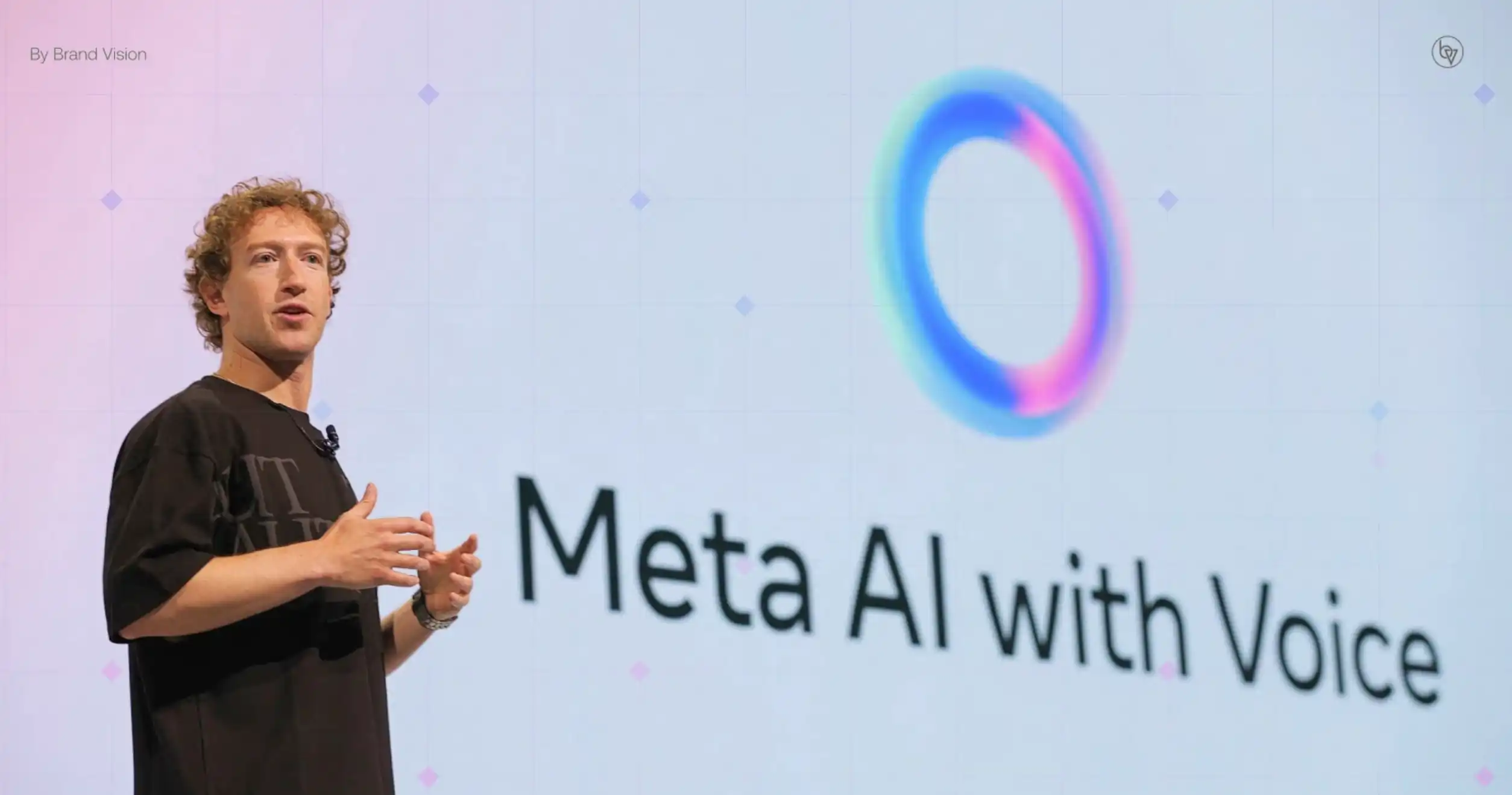
Meta’s 2025 marketing strategy combined platform scale, short-form video, AI-powered recommendations, ad automation, messaging, and wearables. Meta reported $47.52 billion in Q2 revenue and 3.48 billion daily active people across its Family of Apps. For a branding agency, the lesson is to connect a clear brand strategy with the channels, creative system, and customer journey that support it.
At a glance
- Meta reported Q2 2025 revenue of $47.52 billion, up 22% year over year, with Family daily active people averaging 3.48 billion in June. (Meta IR)
- Instagram reached 3 billion monthly active users by late September 2025, increasing the scale behind Reels, messaging, creators, and commerce. (TechCrunch)
- Meta launched a standalone Meta AI app in April 2025 and introduced Vibes in September as a feed for creating and discovering AI-generated short-form video. (Meta Newsroom; Reuters)
- WhatsApp introduced ads in Status, promoted Channels, and channel subscriptions inside the Updates tab, while personal chats remained separate and end-to-end encrypted. (Q2 2025 Transcript)
- Threads ad availability expanded during 2025, but Meta still described near-term contribution to overall impressions as limited in its Q2 commentary.
How to read the 2025 data
- Company revenue, usage, advertising, and product-rollout claims are anchored to Meta investor materials or Meta product announcements where possible. (Meta IR)
- Product-launch timing is kept historical. The standalone Meta AI app launched in April 2025, while Vibes arrived in September 2025. (Meta Newsroom)
- Independent reporting is retained for context, but it should not be read as a substitute for Meta’s own financial or product disclosures. (Reuters)
1) Platform scale is the starting advantage
Meta’s strategy starts with distribution. Meta reported an average of 3.48 billion Family daily active people in June 2025, giving the company enormous reach across Facebook, Instagram, WhatsApp, and Messenger. For brands operating in consumer and B2C marketing, that scale creates access to large audiences, but it does not remove the need for clear positioning, useful creative, and measurement. (Q2 2025 Transcript)
- Family of Apps revenue in Q2 was about $47.1 billion, up 22% year over year. (Q2 2025 Transcript)
- Ad impressions across the Family of Apps increased 11% year over year, while average price per ad increased 9%.
- The scale gives Meta room to test new formats quickly, but advertiser results still depend on audience, offer, creative, and conversion experience.

2) Instagram’s 3B moment changes the ceiling
Instagram reached 3 billion monthly active users by late September 2025, putting Reels, messaging, creators, and shopping discovery inside one very large platform. That scale matters, but “full funnel” should not be treated as automatic. A brand still has to connect content with an offer, a clear next step, and a post-click experience that makes sense. (TechCrunch)
- Reels and recommendations helped make short-form video a central discovery surface.
- Messaging and creator tools gave brands additional ways to move from public discovery into conversation.
- Platform scale increases opportunity, but it does not guarantee reach or conversion.
3) Video is the gravity, Reels is the engine
Video remained central to Meta’s 2025 engagement strategy. In its Q2 earnings call, Meta said Instagram video time grew more than 20% year over year globally, while Facebook video time grew at a similar rate in the U.S. That makes Reels important not only as an ad surface but also as part of a broader video marketing system that has to work across organic, creator, and paid content. (Q2 2025 Transcript)
- Recommendation models helped Meta surface more relevant video content.
- Meta also emphasized more original content in recommendations, which changes the creative supply brands compete against.
- The practical lesson is to treat Reels as a format with its own viewing behavior, not simply as a shorter version of another ad.

4) AI becomes a front door: Meta AI app and Vibes
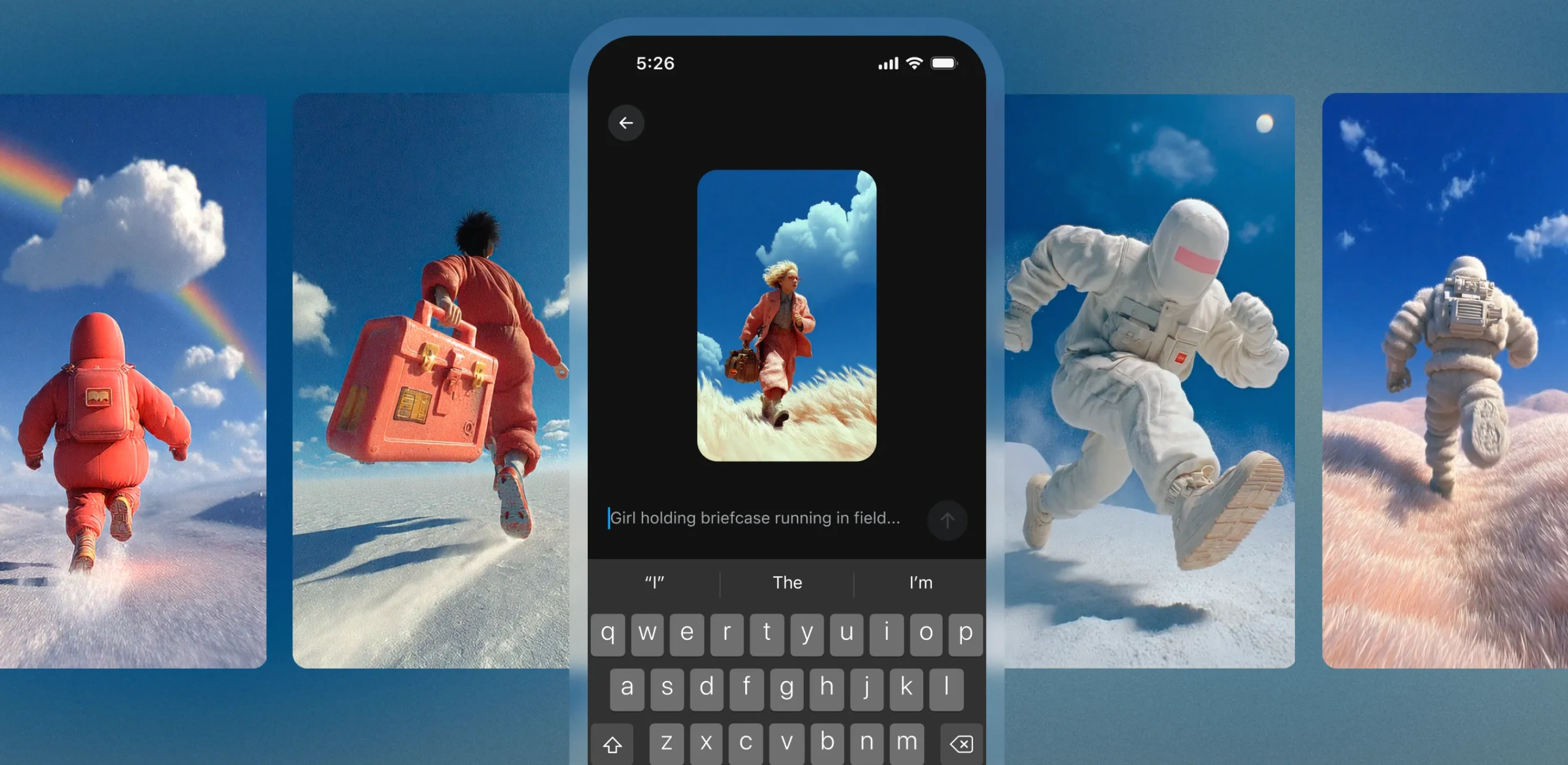
Meta moved AI closer to the consumer in 2025. The standalone Meta AI app launched in April, and Vibes followed in September as an early feed for creating, remixing, and discovering AI-generated short videos. That made AI part of Meta’s product and content-distribution story, not just an advertising back end. It is different from open-web search visibility: brands still need a separate SEO strategy for owned discovery, and our 2025 SEO and lead generation statistics explain how AI search affected that channel. Meta’s approach also contrasts with the more device-centered positioning covered in our Apple marketing strategy analysis. (Reuters)
- The Meta AI app launched with Llama 4 and connected with Meta AI experiences across the company’s apps.
- Vibes introduced short-form AI video creation and remixing inside the Meta AI experience.
- AI-generated media could be shared into Instagram and Facebook, connecting creation with Meta’s existing social distribution.
5) Ads system upgrades: Andromeda and GEM
Behind the scenes, Meta used systems including Andromeda for ad retrieval and GEM for ranking. In its Q2 2025 earnings call, Meta said Andromeda improvements drove nearly 4% higher conversions on Facebook mobile Feed and Reels. It separately reported conversion lifts associated with GEM improvements. These are Meta-reported platform-level results from its systems, not a forecast for an individual advertiser’s ROAS or CPA. (Q2 2025 Transcript)
- Retrieval narrows the candidate pool; ranking determines which ads are shown.
- Meta reported performance improvements as these systems expanded across more placements.
- Advertisers should treat platform-wide lift figures as system evidence, not account-level guarantees.
6) Advantage+ is the default for retail budgets
Advantage+ pushed more campaign setup, audience expansion, placement, and budget decisions toward automation. eMarketer reported growing U.S. retail use of Meta’s AI-powered suite in 2025 (eMarketer). Automation does not remove the human work. Brands still need strong offers, useful campaign graphic design, and landing-page web design that can turn the click into a clear next step.
- Automation can reduce manual setup and expand delivery, but the campaign still needs appropriate objectives and measurement.
- Creative quality remains one of the largest inputs advertisers directly control.
- Advantage+ expanded across sales, app, and lead-generation workflows, not only shopping campaigns.
7) Messaging becomes monetization on WhatsApp
WhatsApp opened a new monetization surface in 2025 through the Updates tab, which Meta said was used by 1.5 billion people per day globally. Ads in Status, promoted Channels, and channel subscriptions were designed to sit outside personal chats, which remained end-to-end encrypted. The important distinction is that Meta was adding discovery and business inventory without inserting ads into private conversations. (Q2 2025 Transcript)
- Ads in Status, promoted Channels, and channel subscriptions were introduced inside Updates.
- Meta said personal messages, calls, and groups would not be used to determine the ads people see.
- The rollout added business discovery and channel monetization alongside Meta’s existing paid messaging products.

8) Threads grows, ads arrive, expectations stay measured
Threads moved further into monetization during 2025. Meta expanded ad availability to eligible advertisers globally, while delivery to users was still scaling by market and Meta said the near-term contribution to overall impressions would remain limited. That makes Threads a useful example of a platform adding commercial inventory gradually rather than treating the first ad test as mature monetization. (Q2 2025 Transcript)
- Feed ads gave advertisers another lightweight storytelling placement.
- Meta said LLM-based recommendation work was already affecting how content was ranked on Threads.
- Connections with Instagram lowered setup friction for advertisers already using Meta’s ad tools.
9) Wearables become media: Ray-Ban Meta
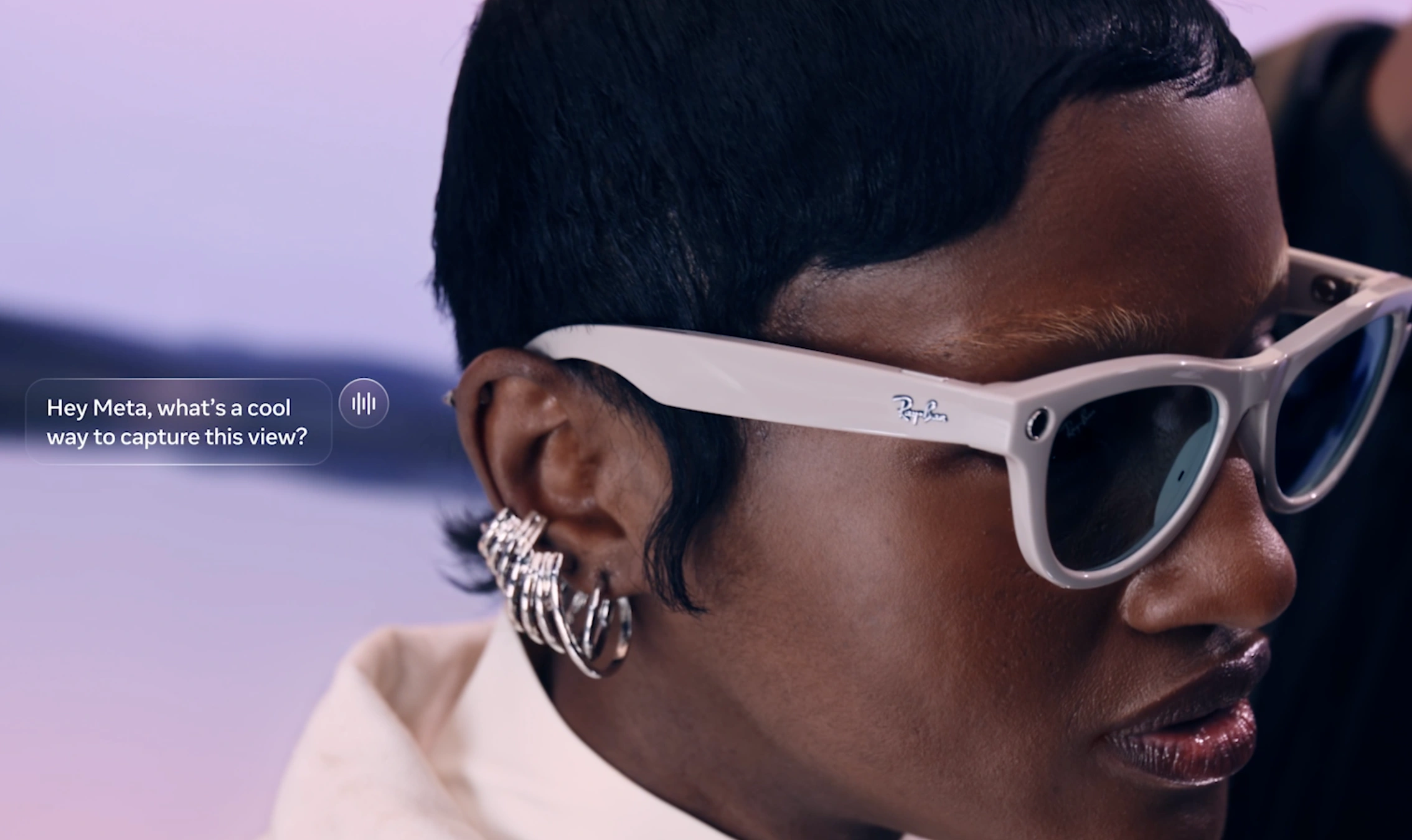
Ray-Ban Meta smart glasses moved further into everyday use in 2025, with Meta describing strong demand and later introducing a second generation with longer battery life and improved video capture. The glasses connected voice, camera, audio, and Meta AI in a hands-free form factor, giving Meta another device surface for creation and assistance. (Q2 2025 Transcript)
- Reality Labs remained a long-term investment while Meta’s advertising business funded much of the company’s spending.
- Glasses supported hands-free photo, video, audio, and AI-assistant use cases that could connect back to Meta’s apps.
- Wearables gave Meta a strategic path beyond phones and traditional social feeds.
10) Subscriptions and “other” revenue add a second leg
Family of Apps “other” revenue grew 50% year over year to $583 million in Q2 2025, with Meta pointing to WhatsApp paid messaging and Meta Verified as contributors. Advertising still represented the overwhelming majority of Meta’s revenue, so these lines were additive rather than a second business of comparable scale. (Q2 2025 Transcript)
- Paid business messaging used WhatsApp’s global footprint as a commercial surface.
- Meta Verified added subscription revenue tied to verification, support, and account features.
- These products diversified revenue at the margin, while advertising remained the core business.
FAQ
What was Meta’s marketing strategy in 2025?
Use platform scale, recommendation systems, short-form video, automated advertising, messaging, and AI products to connect discovery with commercial outcomes. The strategy depended on several products working together rather than one campaign.
What changed in Meta’s marketing in 2025?
The standalone Meta AI app and Vibes made AI more visible as consumer products, while Threads and WhatsApp added or expanded advertising and business-discovery surfaces.
How did Meta add ads to WhatsApp without putting them in private chats?
Ads in Status, promoted Channels, and channel subscriptions were placed in the Updates tab. Meta said personal messages, calls, and groups remained separate from those ad experiences.
Where should advertisers focus on Meta’s automated campaigns?
Start with the business objective and measurement plan, then give the system strong creative and conversion inputs. Automation can optimize delivery, but it cannot repair an unclear offer or weak customer experience.
What is the clearest 2025 signal behind Meta’s strategy?
The combination of large-scale usage, growing video time, and continued revenue growth shows why Meta could keep expanding AI and advertising products. Those company-level trends should not be treated as a guarantee of advertiser performance.
What brands can learn from Meta’s 2025 playbook
Meta’s advantage came from connecting distribution, product design, recommendations, creative formats, and monetization across one ecosystem. Smaller brands can borrow that system-level thinking. A clear branding system still needs to work across channels. For teams seeking branding support in Montreal, the execution should reflect local audiences while keeping the positioning consistent. For help connecting strategy, platform creative, and the post-click journey, talk with Brand Vision.