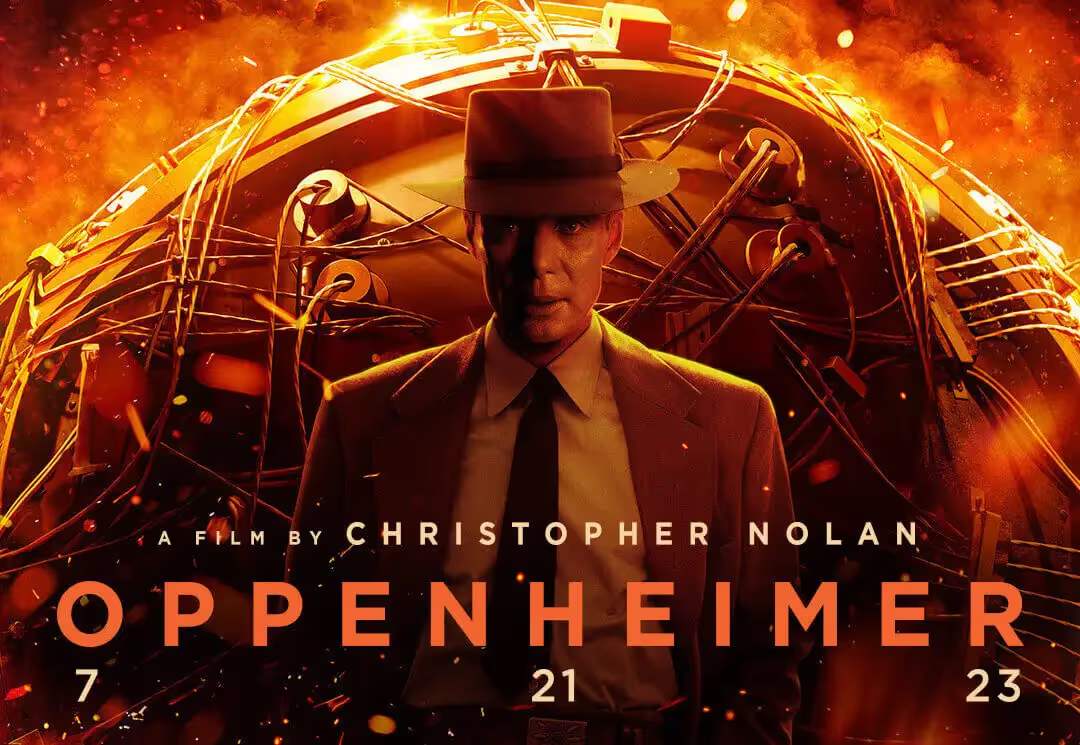
Christopher Nolan's Oppenheimer arrived in theaters on July 21, 2023 as a three-hour historical drama about J. Robert Oppenheimer and the development of the atomic bomb. Its promotion leaned on suspenseful trailers, Nolan's reputation, a high-profile cast, and a strong theatrical-format story around IMAX. Then an unexpected force amplified the release: Barbenheimer, the fan-driven double-feature phenomenon that paired Oppenheimer with Greta Gerwig's Barbie. Together, those controlled and organic elements made the release a useful case study in entertainment marketing.
Social Media and the Barbenheimer Effect
Social media gave Oppenheimer a direct way to circulate trailers, cast material, behind-the-scenes content, and release reminders. Universal's official trailer descriptions also directed viewers to the film's social channels, creating a clear digital home for the campaign. But the most memorable online story was not created by Universal: it was the audience response to Oppenheimer and Barbie opening on the same day.
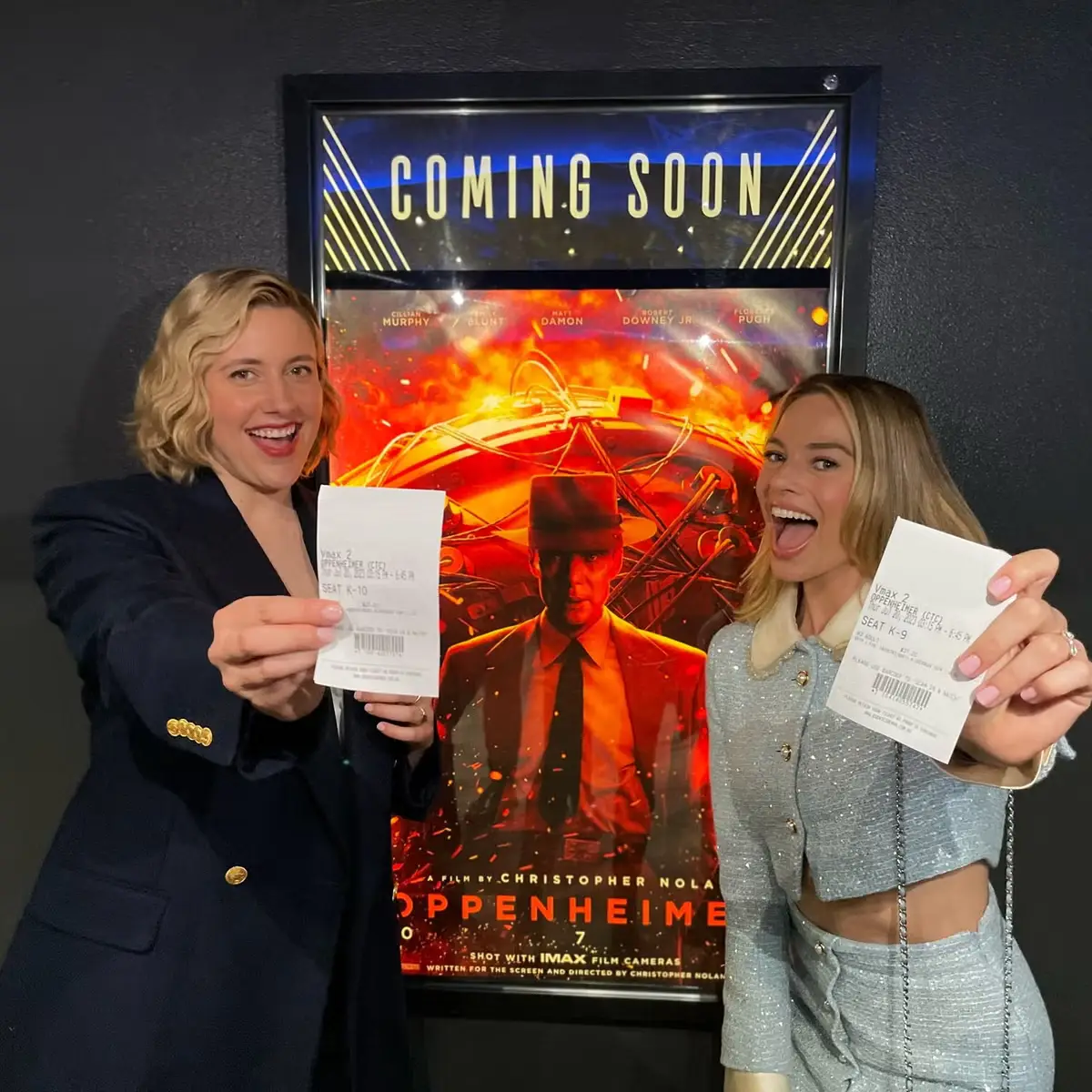
The contrast was irresistible online. One film was a dark historical drama about nuclear weapons; the other was a bright fantasy comedy rooted in a globally recognizable toy brand. Memes, posters, fan art, outfits, and double-feature plans turned the release date into a participatory cultural event. The important distinction is that Barbenheimer was not an official joint studio campaign. In a later Variety conversation about Barbenheimer, Margot Robbie explicitly described it as something audiences created rather than something the two marketing teams orchestrated.
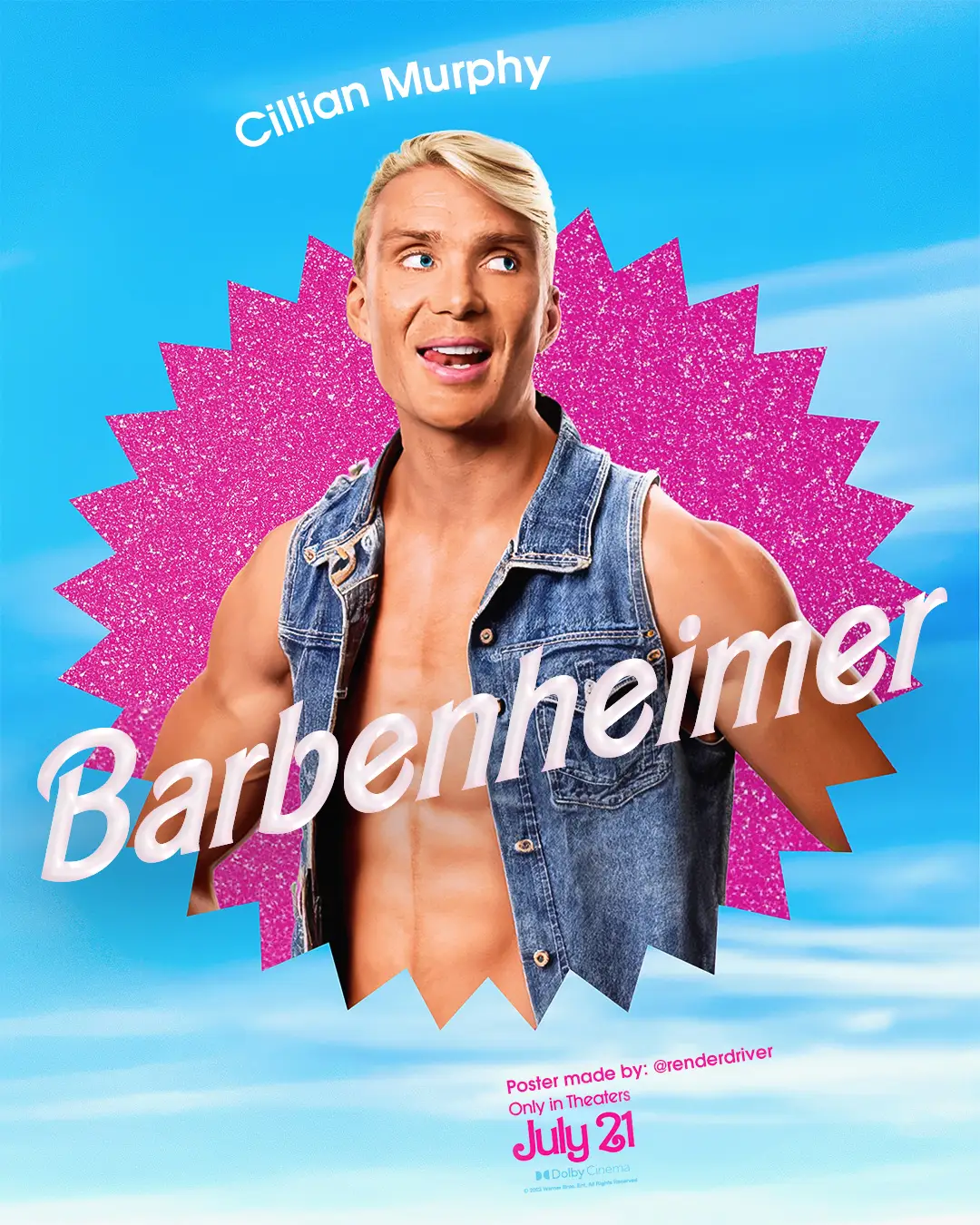
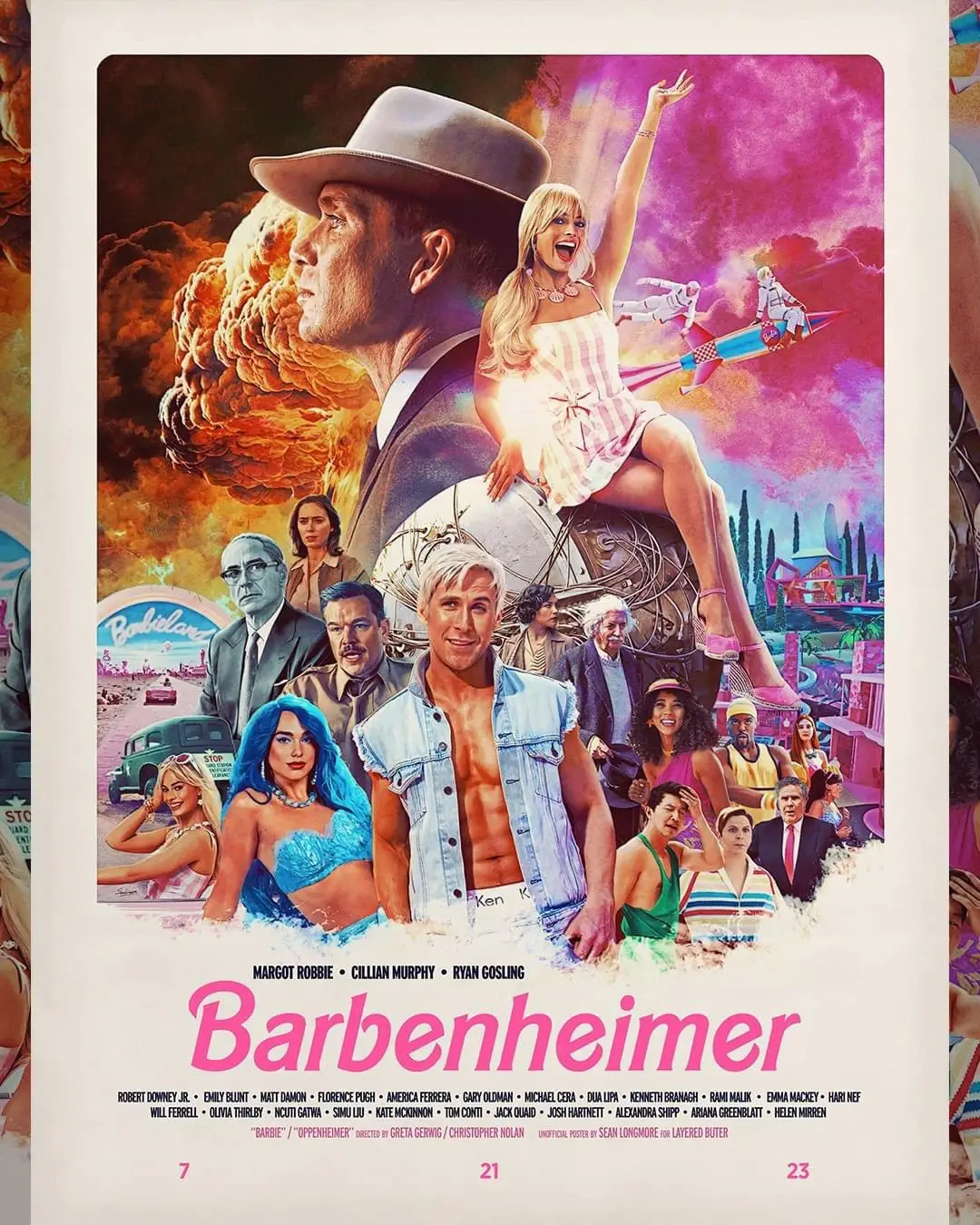
That difference matters for marketers. The studio could control the film's trailers, posters, publicity, and format messaging, but it could not manufacture the audience's desire to combine two very different movies into one social ritual. Barbenheimer worked because people could easily understand the joke, remake it, and signal participation. The campaign benefited from that momentum without needing to pretend it had authored it.
Crafting the Enigmatic Trailers
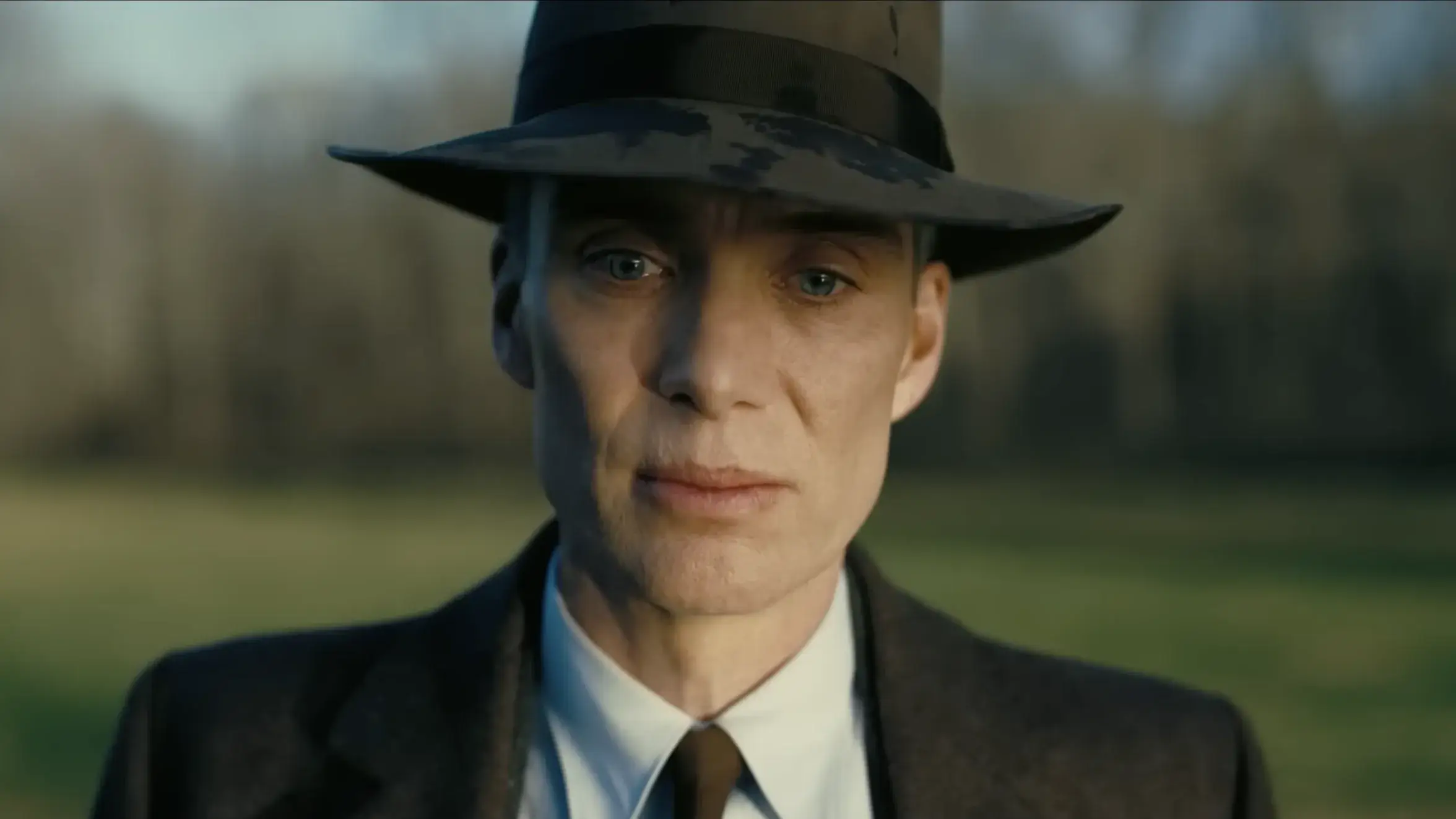
The promotional trailers established the film's tone before explaining every detail of its story. Urgent music, flashes of scientific imagery, political tension, and Cillian Murphy's restrained performance made the campaign feel ominous without turning the film into a conventional action spectacle. That approach matched Nolan's reputation for withholding information and letting scale, sound, and mood create curiosity.
The trailers also repeatedly foregrounded the July 21 theatrical date and the film's large-format production. That gave the audience more than a plot hook: it gave them a reason to think about how they wanted to see the movie. For a broader framework covering trailers, key art, social participation, partnerships, release timing, and conversion, Brand Vision's guide to movie marketing strategies explains how those pieces fit together across a release.
Leveraging Nolan's Cinematic Legacy
Christopher Nolan's name was a major asset in the campaign. By 2023, audiences already associated his films with large-scale theatrical experiences, practical filmmaking, nonlinear storytelling, and premium presentation. The Oppenheimer campaign did not need to introduce Nolan from scratch; it could use that accumulated reputation as a signal of what kind of experience the film promised.
The marketing strategy reinforced that promise through format. Oppenheimer was shot using IMAX 65mm and 65mm large-format film, including black-and-white IMAX film photography. IMAX made the format itself part of the release story, and the limited availability of IMAX 70mm screenings helped turn particular showings into destinations. IMAX's 70mm release materials and later reporting on sold-out screenings show how strongly the premium-format message resonated with moviegoers.
Cast and Media Publicity
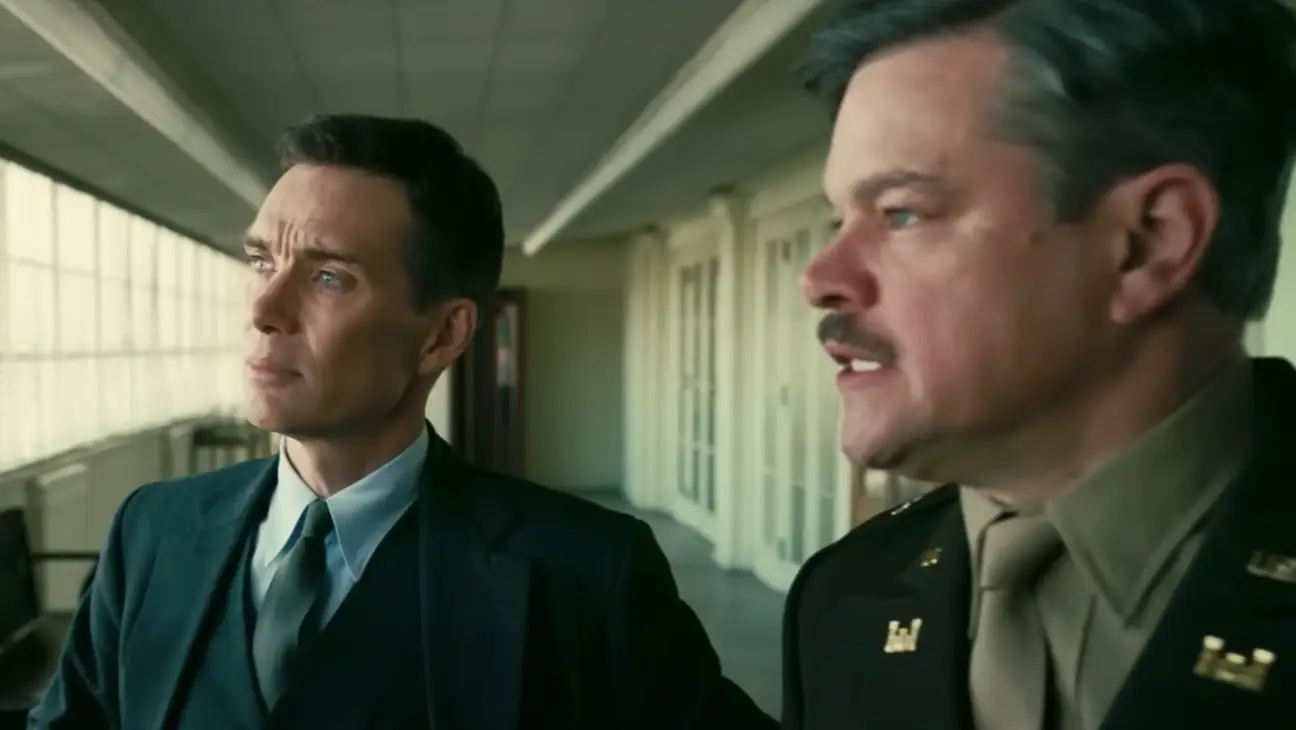
The ensemble cast gave the campaign several recognizable entry points. Cillian Murphy's first lead role for Nolan was central, while Emily Blunt, Matt Damon, Robert Downey Jr., Florence Pugh, and other cast members broadened the film's reach across interviews, profiles, premieres, and entertainment coverage. That publicity worked best when it reinforced the film's craft, historical stakes, or Nolan's production process rather than functioning as celebrity exposure alone.
Thoughtful Teasers and Posters
The poster campaign and teaser imagery gave Oppenheimer a recognizable visual world built around fire, smoke, darkness, scientific imagery, and Murphy's silhouette. Across key art and trailers, that visual identity supported the same promise as the copy and sound design: this was a serious, unstable, high-stakes story rather than a conventional prestige biography.
Individual posters still had to work as communication assets in their own right. Release-date typography, cast hierarchy, the title treatment, and dramatic imagery had to remain legible across theater displays, digital placements, ticketing pages, and social feeds. That is where campaign graphic design becomes distinct from the broader identity system: the visual language stays consistent, while each asset has a specific promotional job.
What Oppenheimer Shows About Movie Marketing
Oppenheimer is a useful reminder that movie marketing can combine tightly controlled brand assets with audience behavior that no campaign team can fully predict. Universal could build the trailers, visual system, publicity rhythm, and premium-format proposition. Barbenheimer belonged to the audience. The opportunity was to let those two forces reinforce one another without confusing organic enthusiasm for official authorship.
The most transferable lesson is consistency. The campaign kept returning to the same core ideas: Nolan, Cillian Murphy, historical stakes, practical filmmaking, and a theatrical experience worth seeking out. When audiences added their own layer through Barbenheimer, the underlying film identity was strong enough to absorb the attention without being diluted.