
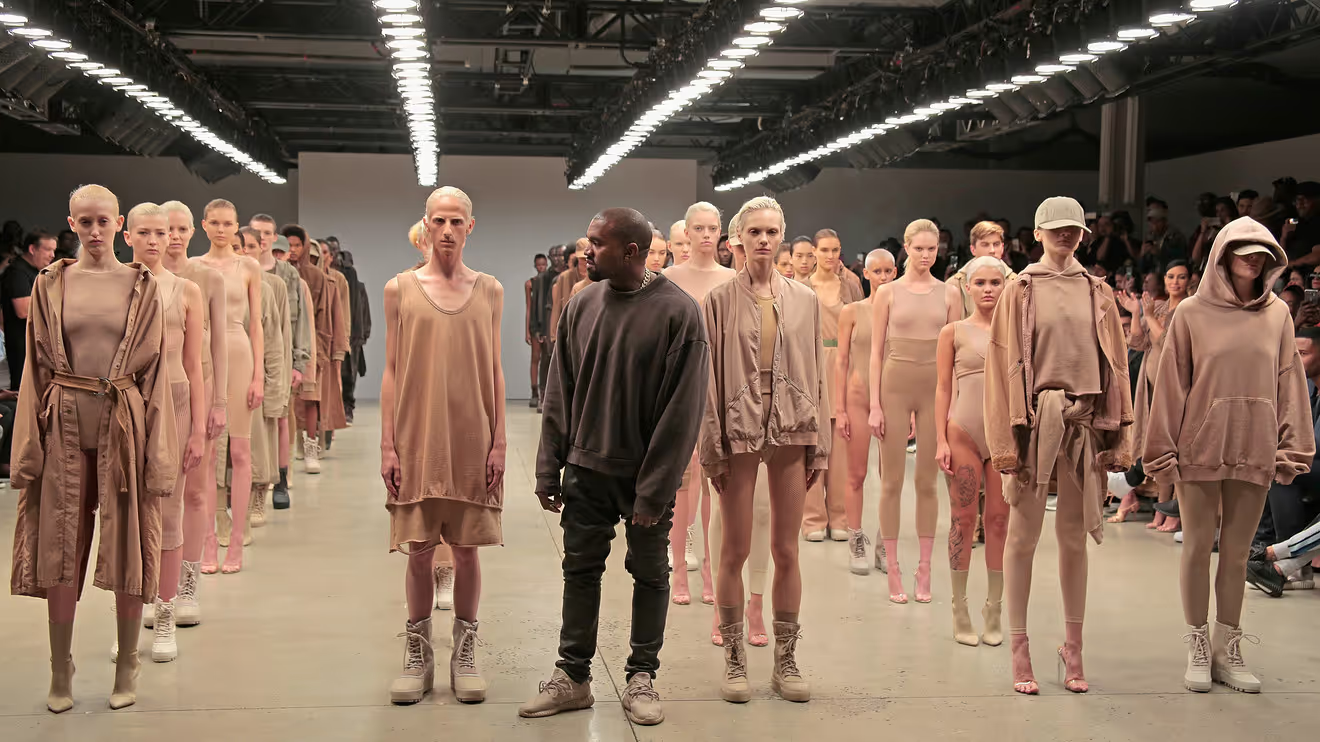
Kanye West, who legally changed his name to Ye in 2021, has built one of the most recognizable personal brands in modern music and fashion. His business history stretches beyond Yeezy into creative direction, music, food, architecture, and adjacent beauty ventures. That breadth makes the portfolio useful to study, but it also requires a distinction the older version of this article blurred: some ventures became major businesses, some were historical partnerships, and others were announced concepts that never reached the same scale.
The most useful branding lesson is not that every extension succeeded. It is how a strong personal identity can transfer attention across categories, and how closely tying every venture to one person can amplify both brand equity and reputational risk. In brand strategy, that relationship between a founder, a master brand, and new extensions has to be managed deliberately.
Yeezy: The Core Commercial Brand
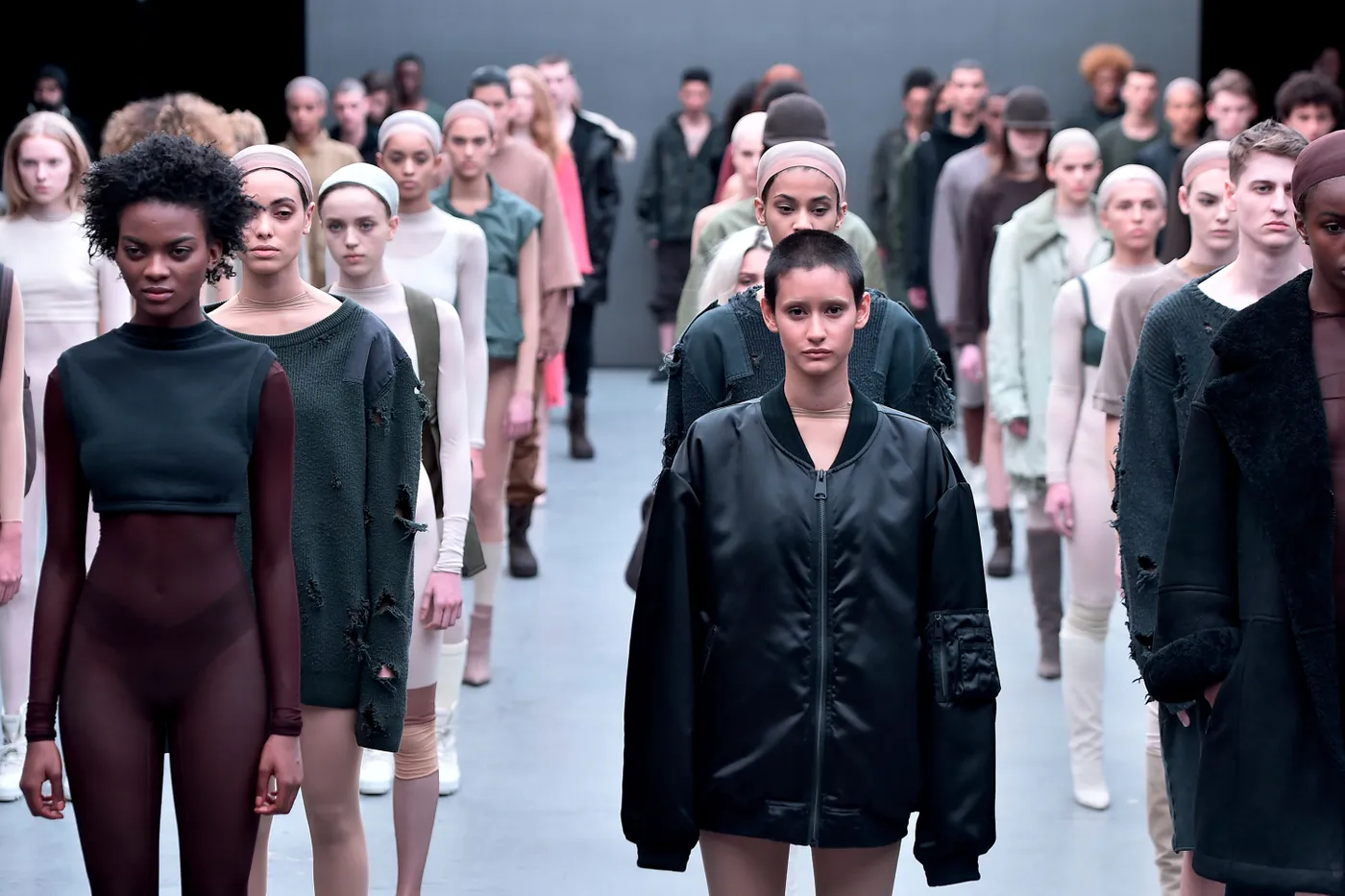
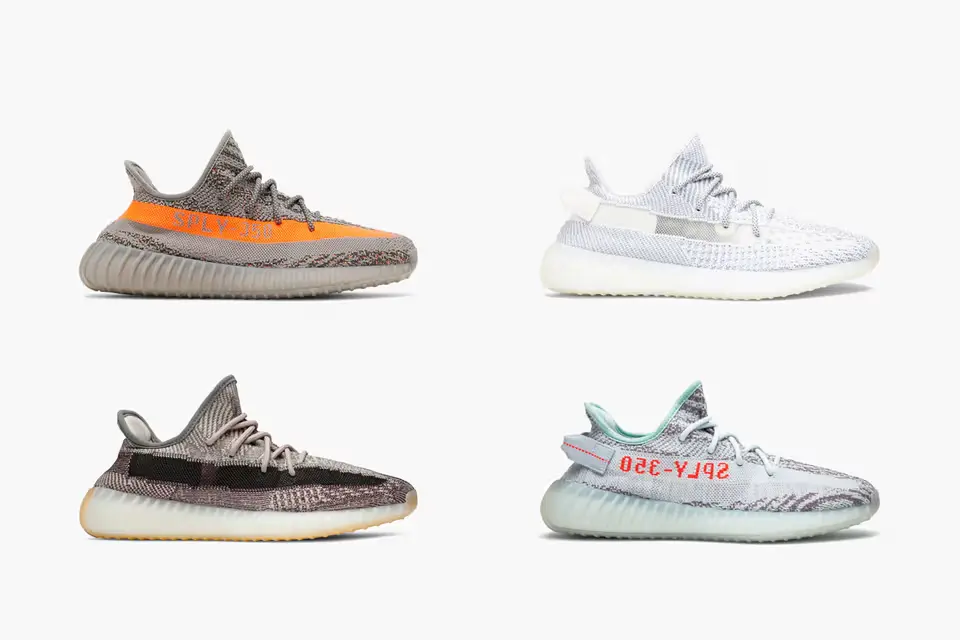
Yeezy became the clearest commercial expression of Ye's design identity. The brand grew through footwear, apparel, scarcity-led releases, neutral palettes, oversized silhouettes, and a visual language that was recognizable even when individual products changed. The Adidas Yeezy partnership began in 2015 and helped turn the label into a global footwear business, building on Ye's earlier sneaker work.
The identity also shows why restraint can be powerful. Yeezy rarely depended on a complicated mark or dense graphic system. Product shape, color, styling, photography, and cultural context did much of the recognition work. When a brand is this visually reduced, the details of logo design and wordmark use matter because there are fewer competing signals to carry recognition.
Yeezy Supply and the Adidas Split
Yeezy Supply functioned as an online home for Yeezy releases and helped reinforce the label's controlled, minimalist retail presentation. Limited drops, restrained layouts, and product-led photography fit the wider brand rather than feeling like a separate ecommerce identity.
The business context changed decisively in 2022. Adidas terminated its partnership with Ye on October 25, 2022, ending production of Adidas Yeezy products and stopping payments to Ye and his companies. Adidas later sold portions of its remaining inventory, but the partnership itself did not resume. That distinction matters because older descriptions of Yeezy Supply can otherwise make the Adidas-era retail system sound current.
DONDA: Creative Direction as a Brand Extension
DONDA, named after Ye's late mother Donda West, was announced in 2012 as a creative company intended to work across design, music, film, products, and culture. The idea fit Ye's broader positioning: creative direction was treated as something that could move between disciplines rather than stay inside music or fashion.
That made DONDA an extension of a personal creative worldview more than a conventional agency brand. Its importance in this portfolio is the breadth of the ambition. It showed how Ye used one name to connect projects across media, but it also illustrates how difficult a wide creative umbrella can be to define operationally when the public identity of the founder remains stronger than the organization itself.
.webp)
G.O.O.D. Music: Building a Brand Inside Entertainment
Ye founded G.O.O.D. Music in 2004, giving his music business a distinct label identity rather than keeping every release under his own name. The label became associated with artists and projects connected to Ye's wider creative network, which gave the personal brand another route into the commercial structure of the music industry.
For companies operating in culture, that separation can be useful. A founder or celebrity may create attention, while the organization needs an identity that can support other talent and releases. The same tension appears across entertainment marketing, where the public figure and the business platform often need to reinforce each other without becoming indistinguishable.
KW Foods and the Chicago Fatburger Experiment
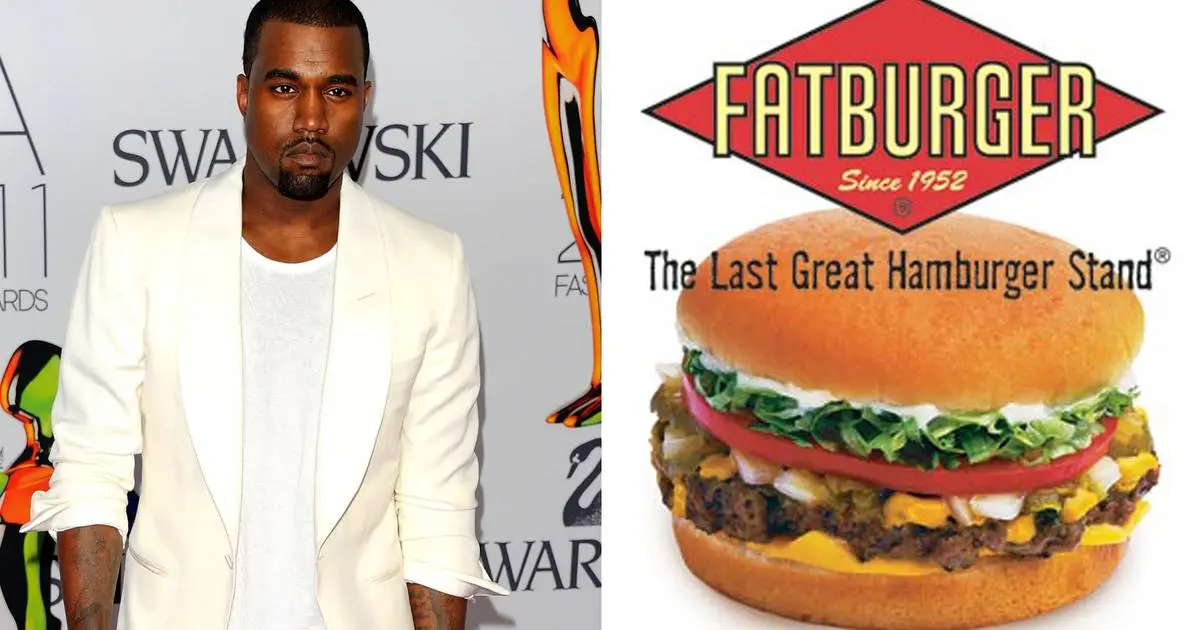
KW Foods represented a very different extension. In 2008, reporting described plans for Ye's company to develop Fatburger restaurants in the Chicago area. The Orland Park location opened that year and later closed in 2011, so the older claim that it had "recently" closed was no longer accurate. A WBEZ retrospective confirms the short-lived Chicago-area expansion.
The branding lesson is less about the restaurant itself and more about market translation. A personal brand can attract attention to a new category, but local retail still depends on location, demand, operations, and a proposition that makes sense to customers who may not care about the founder's wider celebrity portfolio. For a company expanding in the region, a Chicago branding partner can help connect the broader identity to local audience expectations, channels, and customer experience rather than relying on name recognition alone.
Yeezy Home: An Architectural Ambition
Yeezy Home is better described as an announced design initiative than as a mature housing company. In 2018, Ye publicly called for architects and industrial designers to join a Yeezy architecture arm, attracting attention to his interest in housing and built environments. The concept extended the same minimalist and experimental instincts associated with Yeezy into another design discipline.
Its public footprint never developed to the scale of the Adidas-era Yeezy business. That makes it useful as an example of brand extension risk: a recognizable aesthetic can create permission to explore a new category, but an announcement is not the same thing as a sustained operating business. Brand credibility grows when the promise is matched by repeatable delivery.

KKW Beauty: Adjacent Influence, Not a Joint Venture
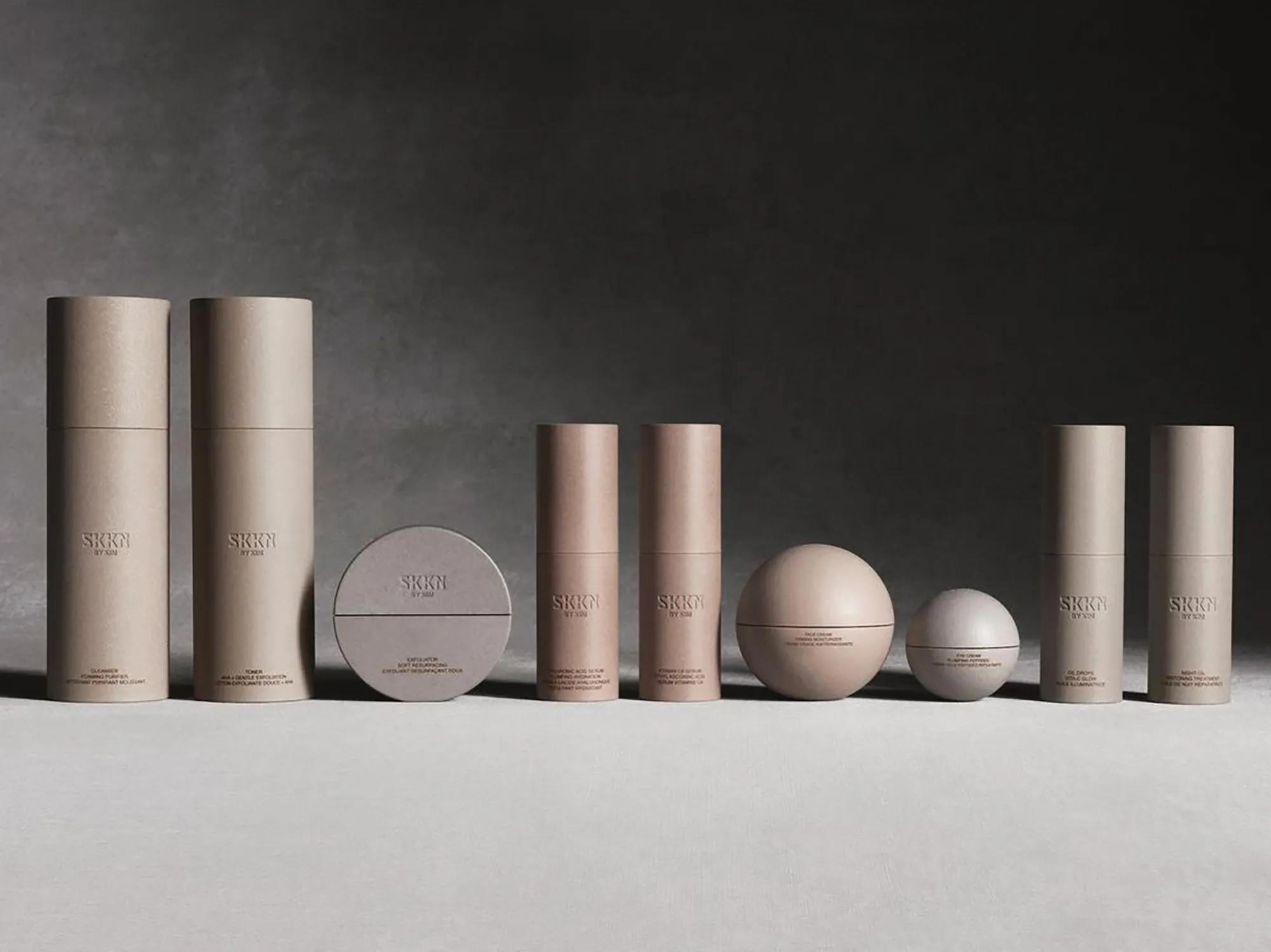
The original version of this article incorrectly described KKW Beauty as a beauty line launched jointly by Ye and Kim Kardashian. KKW Beauty was Kim Kardashian's business. What is fair to say is that Ye influenced parts of the surrounding aesthetic. Kardashian described the minimalist packaging and broader Yeezy lifestyle as creative context, while the business itself was her line rather than a joint Ye/Kardashian company.
That difference matters because influence and ownership are not interchangeable. Ye's visual language could shape an adjacent family brand without making that company part of his portfolio. For the business history on Kim Kardashian's side, our Kim Kardashian branding analysis follows KKW Beauty, SKIMS, and her other ventures in their own context.
What the Portfolio Shows About Brand Architecture
Across Yeezy, DONDA, G.O.O.D. Music, the Fatburger experiment, Yeezy Home, and adjacent creative influence, the recurring asset was Ye's personal brand. That gave new ventures immediate attention, but it also meant their reputations were unusually exposed to the actions and public perception of one person.
This is a useful brand architecture case study because the portfolio mixes different relationships: a founder-led master identity, product brands, business entities, collaborations, and concepts that never became equivalent operating companies. Treating all of them as one seamless "empire" hides the strategic differences between them.
For other founders, the practical lesson is to decide what should borrow the founder's name and equity, what needs a distinct identity, and what should remain a collaboration or experiment. Personal visibility can accelerate a launch, but a durable business still needs a clear role, operating model, and customer reason to exist beyond the person who introduced it.



%2520(1).png)






