Learning how to name your business is not just a creative exercise. A strong business name has to communicate the right idea, sound distinct from competitors, work across digital channels, and survive legal and practical checks before you invest in the identity around it. The best names are usually the result of a disciplined process, not a single brainstorming session.
That process starts with strategy. Before generating names, clarify who the business serves, what it offers, what makes it different, and what the name needs to communicate. A clear brand strategy gives the naming process boundaries. Without those boundaries, it is easy to produce clever names that do not fit the business.

What a Good Business Name Needs to Do
A useful name does not have to explain everything. It does need to support the position you want the brand to own. Depending on the category, that may mean sounding credible, memorable, premium, technical, friendly, local, global, or deliberately unconventional.
- It should be distinct enough to avoid blending into the competitive set.
- It should be easy enough to say, hear, spell, and remember for the audience you serve.
- It should leave room for the business to grow into new products, services, or markets.
- It should work in the languages and regions that matter to the business.
- It should survive trademark, entity-name, domain, and practical availability checks.
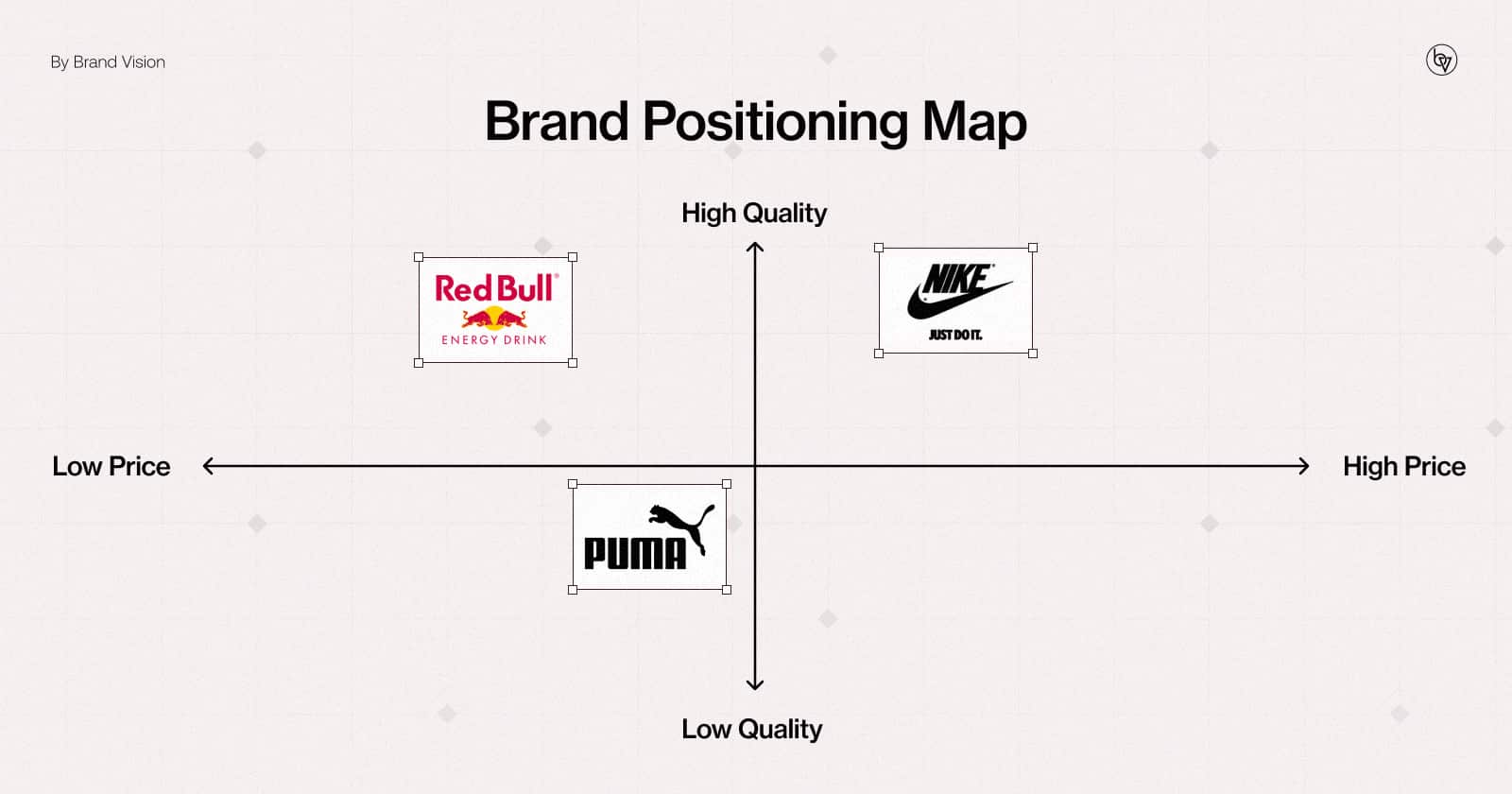
If you are still deciding how the company should be positioned, Brand Vision’s guide to brand positioning examples can help separate naming style from the strategic position underneath it.
How to Name Your Business Step by Step
1. Define the Position Before You Generate Names
Write a short naming brief before opening a generator or whiteboard. Include the target audience, category, key differentiators, desired personality, words or associations to avoid, geographic scope, and long-term growth plans. The name should be judged against that brief rather than personal preference alone.
This is also where brand research helps. Reviewing competitor names, audience language, category conventions, and cultural associations can reveal which naming patterns are crowded and where there is room to sound different.
2. Map the Competitive Naming Landscape
List direct competitors and adjacent alternatives. Group their names by pattern: descriptive names, founder names, invented words, acronyms, geographic names, metaphorical names, or compound words. The point is not to imitate the category. It is to understand what the category already sounds like.
A strong candidate should be recognizable enough to fit the buying context without sounding interchangeable with the companies around it.
3. Generate Naming Territories, Not Just Random Words
Create a few strategic territories before generating individual names. A cybersecurity company, for example, could explore protection, visibility, resilience, speed, or trust as separate territories. A wellness brand might explore ritual, energy, calm, nature, or performance.
Then generate dozens of candidates inside each territory. Useful techniques include combining words, using metaphors, adapting roots from relevant languages, inventing new terms, or reframing a familiar word. AI naming tools can help create volume, but they should be treated as brainstorming assistants rather than proof that a name is original, legally clear, or strategically appropriate.

4. Shortlist for Clarity, Memory, and Flexibility
Once you have a long list, reduce it using practical criteria. Say each name aloud. Spell it after hearing it once. Imagine it in a sales conversation, an email address, a podcast introduction, a storefront, and a search result. Remove candidates that require constant explanation unless that complexity is intentional and valuable.
Also test the name against future growth. A name tied too tightly to one product, city, customer type, or technology can become restrictive if the business expands. This matters especially for startups, where the offer may evolve quickly after launch.
5. Run Trademark and Business-Name Checks Early
Do not wait until logo design to investigate legal conflicts. The U.S. Patent and Trademark Office recommends searching for similar trademarks because a conflict can arise even when names are not identical. Its Trademark Search system is a starting point for federal U.S. searches, but a comprehensive clearance process may require broader research and qualified legal advice.
The U.S. Small Business Administration also distinguishes among entity names, trademarks, DBAs, and domain names. They serve different purposes and are legally independent. Its business-name guidance is a useful reminder that securing one type of name does not automatically secure the others.
Trademark rules vary by jurisdiction. A preliminary search is an important screening step, not a substitute for legal advice where clearance is consequential.
6. Check Domain Availability and Digital Practicality
A matching .com can be useful, but it should not automatically decide the brand. Check whether the domain is available, whether an alternative extension is credible for your market, whether the name is easily confused with an existing site, and whether the spelling creates unnecessary friction.
ICANN explains that domain names are registered through registrars and are separate from the website or hosting itself. Its registrant information is a useful reference when reviewing registration, renewal, transfer, and domain-management responsibilities.
Check important social handles as well, but avoid rejecting a strategically strong name only because an exact username is unavailable on every platform. Consistency matters more than perfect uniformity.
7. Test Language, Pronunciation, and Cultural Meaning
If the business will operate across regions or languages, test shortlisted names with native speakers and people familiar with the local market. Look for unintended meanings, difficult pronunciation, awkward transliterations, and words that sound too close to another brand.
Audience feedback is most useful when respondents explain what a name suggests to them before they are shown the intended brand story. This helps reveal whether the name naturally creates the associations you want or only works after a lengthy explanation.
8. Test the Name Inside a Visual System
A name is experienced through typography, color, layout, packaging, web interfaces, and other touchpoints. Once the shortlist is strategically and legally viable, test how the candidates behave inside a simple visual identity rather than judging them only as words in a spreadsheet.
This does not mean designing a full identity for every candidate. A few basic wordmarks and application mockups are enough to reveal whether the length, rhythm, letterforms, or visual balance create unexpected problems. Brand Vision’s visual identity guide explains how those elements work together after the name is chosen.
Where Business Name Generators Help

Name generators are useful for expanding a brainstorm, combining word roots, exploring synonyms, and escaping the first obvious ideas. They are less useful as final decision-makers. A generated name can still be too close to a competitor, legally unavailable, difficult to pronounce, weak in another language, or disconnected from the brand strategy.
The best workflow is to use generators for raw material, then apply human judgment, research, audience context, and clearance. If the business name is strategically important enough that a mistake would be expensive, a structured brand naming process should include creative development and legal screening as connected steps.
Common Business Naming Mistakes
- Choosing a name because the founder likes it without testing what customers hear in it.
- Using the same descriptive words every competitor already uses.
- Forcing an unusual spelling that creates constant pronunciation or search friction.
- Building the name around a short-lived trend or technology.
- Choosing a narrow product or geographic reference that limits future expansion.
- Assuming a free domain means the trademark or business name is available.
- Falling in love with one candidate before legal and linguistic screening.
A Final Checklist Before You Commit
Before approving a business name, confirm that the shortlist has been reviewed for strategy, competition, language, legal risk, and practical use.
- Does the name support the intended positioning?
- Is it meaningfully different from direct competitors?
- Can the audience say, spell, and remember it?
- Can the business grow without outgrowing the name?
- Has it been screened for trademarks and relevant entity-name conflicts?
- Is an acceptable domain available through a reputable registrar?
- Have key languages and markets been checked?
- Does the name work visually across a simple identity system?
What Comes After the Business Name
Once the name is selected, the next job is to make its meaning consistent. Positioning, messaging, visual identity, domain setup, and launch communications should all reinforce the same idea. If the business is still defining its purpose and long-term direction, Brand Vision’s examples of mission and vision statements can help clarify the language around the name.
For businesses that want support developing and screening a shortlist, Brand Vision offers dedicated brand strategy and naming expertise. The brand naming service combines research, creative development, domain checks, and preliminary legal screening before final candidates move forward.