Understanding Age Verification Needs
In today’s business landscape, verifying the age of customers is paramount for establishments dealing with age-restricted goods and services. Whether managing a bar, retailing tobacco products, or operating an online gaming platform, ensuring that customers are of legal age is essential to comply with laws and safeguard business reputation.
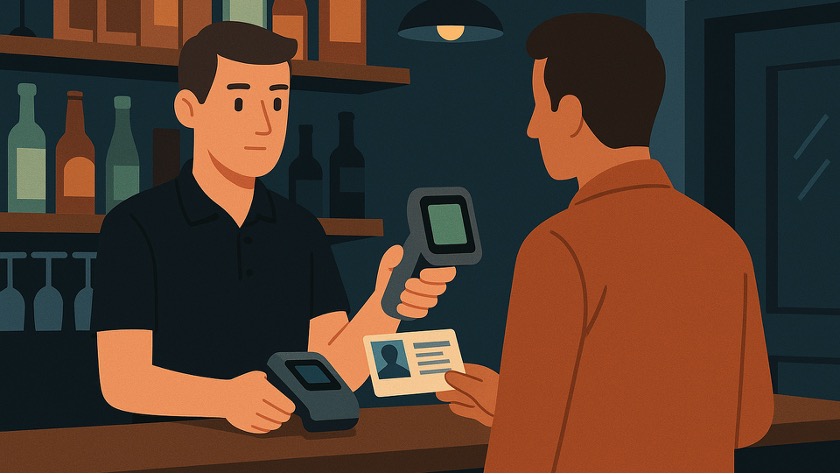
Common challenges faced by businesses include:
● The prevalence of fake IDs complicating manual verification processes.
● High staff turnover leading to inconsistent age checks.
● Cumbersome verification procedures causing delays in service.
To address these challenges effectively, businesses can leverage an ID scanner for age verification. These devices play a crucial role in ensuring that only eligible customers access restricted products, thereby reducing risks and streamlining the verification process.
The Basics of an ID Scanner for Age Verification
An ID scanner for age verification automatically checks a customer’s ID card, swiftly confirming their age and the validity of the document within seconds. These scanners are designed to:
● Extract data from various ID types, such as driver’s licenses.
● Validate the data against legal age requirements.
● Flag any discrepancies to staff if an ID is invalid or expired.
There are two primary types of ID scanners available in the market:
1. Portable ID Scanners: Lightweight and easy-to-transport devices ideal for mobile businesses or events.
2. Stationary ID Scanners: Fixed installations suitable for businesses with dedicated entry points for ID checks.
Incorporating ID scanners into business operations not only ensures compliance with local and national age verification standards but also enhances accuracy, efficiency, and protection against penalties.
Benefits of Using an ID Scanner for Business
Employing an ID scanner for age verification offers several crucial benefits for businesses dealing with age-restricted products and services, including:
● Reduction in Human Error: ID scanners provide a fast and accurate method of age verification, minimizing errors associated with manual checks.
Implementing ID scanners not only shields businesses from legal ramifications but also enhances the efficiency of age verification processes, ensuring smooth operations.
Features to Look for in an ID Verification Scanner
When selecting an ID verification scanner, businesses should consider key features that align with their operational requirements, such as:
● Ease of Use: Opt for user-friendly scanners to facilitate efficient operation by staff without extensive training.
● Integration Capabilities: Choose scanners that can seamlessly integrate with existing systems for a hassle-free experience.
● Up-to-Date Technology: Ensure the scanner employs the latest technology for accurate age verification, reducing the risk of accepting fake IDs.
● Mobility vs. Stationary: Depending on operational needs, select portable or stationary scanners that best suit business environments.
Incorporating a feature-rich ID verification scanner not only fortifies security against underage sales but also ensures seamless operations and an enhanced customer experience.
Exploring Portable ID Scanners
Portable ID scanners offer unique advantages for businesses with dynamic operations, making them a valuable asset in various settings due to:
● Flexibility and Mobility: Easy-to-transport scanners enable businesses operating at multiple locations or events to verify ages conveniently.
● Convenience: Portable scanners simplify age verification at events, kiosks, or pop-up stands, providing quick and easy service.
● Efficiency: Handheld scanners facilitate rapid scanning and verification, reducing customer wait times.
If you are in the market for an ID scanner, check out the options available over at Minor Decliner.
How an Age Verification Scanner Enhances Customer Experience
Implementation of an age verification scanner can greatly enhance customer satisfaction and trust by:
● Speedy Service: Swift and precise age verification minimizes customer wait times, improving overall experience.
● Building Trust: Reliable ID scanners showcase a commitment to compliance and customer safety, bolstering confidence in the business.
● Increased Accuracy: By reducing errors in age verification, businesses avoid awkward situations and maintain a positive brand image.
Through the integration of portable ID scanners and a focus on customer experience, businesses can establish a smooth, efficient, and trustworthy service that caters to both operational needs and customer expectations.
Choosing the Right ID Scanner for Your Business Needs
Selecting the appropriate ID scanner for age verification is critical to ensure compliance and enhance customer service. To make an informed decision, follow these steps:
● Identify Business Needs: Determine whether a portable or stationary ID scanner best suits operational requirements based on transaction volume.
● Evaluate Features: Consider essential features like ease of use, integration capabilities, and technological advancements.
● Consider Cost and ROI: Assess different models based on cost and potential returns to prevent legal penalties and boost operational efficiency.
● Check External Reviews and Resources: Research various models and consult reviews for informed decision-making.
● Regulatory Compliance: Ensure the selected scanner complies with age verification laws and industry regulations.
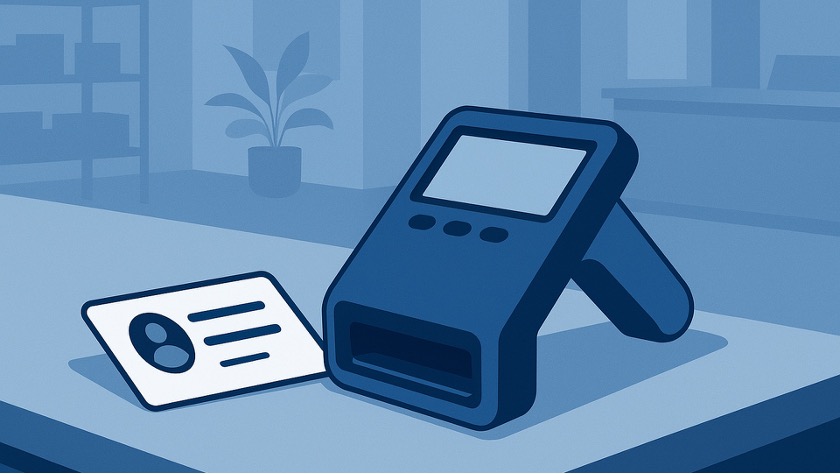
Summary: Safeguarding Your Business with Reliable ID Verification
Employing an ID scanner for age verification is pivotal in safeguarding businesses against legal risks while aiding in compliance and improving customer experiences. Such solutions represent a proactive approach to protecting enterprises and ensuring a seamless customer service experience.











.webp)