
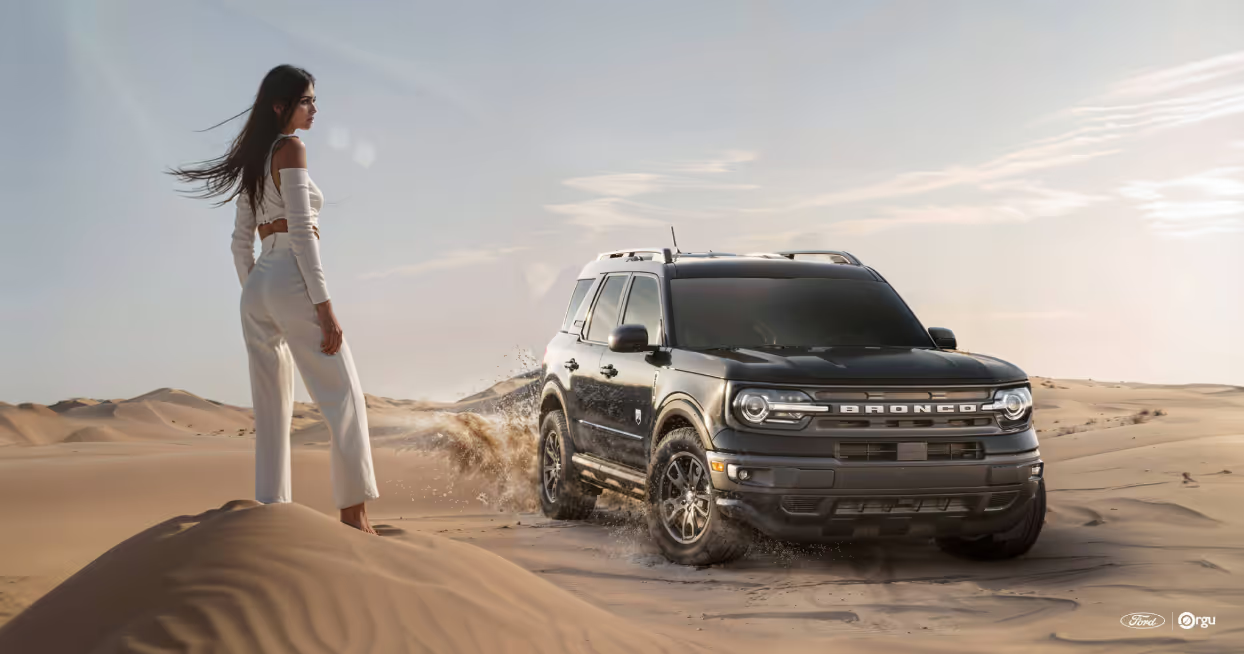
Ford Motor Company's marketing strategy is a fusion of heritage, technology, and a strong consumer focus. As a cornerstone of the American automotive landscape, Ford draws on its legacy while pushing forward with digital marketing, electric vehicle (EV) innovation, and strategic alliances. Ford's marketing doesn't just sell cars; it champions the grit, pride, and resilience that define America itself. This approach reinforces Ford's image as a powerhouse of reliability and performance. Let's see how Ford's marketing approach solidifies it as a leader in American Automotive history.
At Brand Vision, we look at Ford's marketing strategy as a clean example of how legacy brands stay relevant without losing their identity. The point is to translate Ford's positioning, storytelling, and product narrative into decisions you can actually apply, whether you're tightening your brand strategy, upgrading your visual identity, or improving how your web design turns interest into action. In 2026, the brands that win are the ones that feel consistent across every touchpoint, and Ford's loyalty mechanics like FordPass Rewards show how much retention is built after the purchase, not just before it (Ford).
Let's start with some impressive figures that showcase Ford's reach and impact:
- 4.2 million vehicles sold globally in 2022, securing Ford's place as a key player in the automotive market.
- Over 40 million F-Series trucks sold since their debut in 1948, establishing the F-Series as America's best-selling truck for over four decades.
- Ford's EV production goal of 2 million vehicles annually by 2026 reflects its commitment to electric mobility and sustainability.
Brand Positioning: Built Ford Tough with a Modern Edge
Ford's reputation is defined by ruggedness, durability, and strength. The "Built Ford Tough" slogan captures the spirit of those seeking power and resilience, epitomized by Ford's iconic F-Series trucks and SUV lineup. But Ford doesn't just cater to truck enthusiasts; its positioning appeals to eco-conscious and tech-focused drivers as well, balancing tradition with modernity.
Key goals of Ford's brand positioning:
- Attracts truck and SUV drivers seeking high performance.
- Differentiates from competitors by blending toughness with eco-friendly and high-tech options.
- Connects with an audience that resonates with Ford's bold, American identity.
By merging heritage with innovation, Ford is more than a brand: it's a symbol of strength, appealing to both loyalists and new buyers.

Market Segmentation: A Vehicle for Every Driver
Ford's marketing strategy stays focused by carefully segmenting its audience. From truck enthusiasts to families and sports car fans, Ford uses demographic and psychographic analysis to align its offerings with diverse buyer needs.
Key segments include:
- Truck Enthusiasts: Models like the F-150 and Super Duty target drivers who need high performance for demanding jobs.
- Eco-Conscious Drivers: The Mustang Mach-E and F-150 Lightning cater to those prioritizing sustainability.
- Family-Oriented SUV Buyers: The Explorer and Edge SUVs appeal to families needing safety, space, and comfort.
- Sports Car Fans: The Mustang lineup attracts those looking for speed and classic style.
Ford's segmented approach allows it to reach and resonate with a broad range of customers.
Americana Appeal in Advertising: Celebrating Community and Pride
Ford's ads celebrate its American heritage, featuring trucks on rural roads, farms, and factory floors. These scenes resonate deeply with working-class Americans, tapping into their pride in their communities and their country. In pop culture, country songs from artists like Toby Keith and Alan Jackson frequently mention Ford, celebrating it as a brand that stands for resilience and hard work.
Targeting Rural and Heartland Demographics
Ford connects especially well with rural and heartland America, where values of hard work, independence, and durability are paramount. Ford's F-Series dominates sales in these regions, with marketing that emphasizes practicality and pride rather than celebrity endorsements. This keeps Ford firmly rooted as the choice for drivers who value American-made reliability.
Emotional Connection Through Americana
Ford's message continuously reinforces that its vehicles are part of America's story. Across generations, Ford trucks are trusted members of family life, passed down through time. This loyalty is fueled by an emotional bond, positioning Ford as an enduring, trusted brand, not just for its performance but as a meaningful part of the American experience.

Product Differentiation: Leading in Technology and Sustainability
Ford advances beyond tradition with a strong focus on EVs and connectivity. Ford's electric lineup and tech-forward features make it a leader in eco-conscious driving without sacrificing performance.
Ford's product differentiation includes:
- Electric Vehicles (EVs): The Mustang Mach-E and F-150 Lightning cater to drivers seeking zero-emission power, competing with EV brands like Tesla.
- Connected Driving: The Sync 4 infotainment system and FordPass app offer hands-free control, navigation, and remote features for tech-savvy drivers.
- Advanced Safety: The Co-Pilot360 suite provides features like adaptive cruise control, appealing to families looking for enhanced safety.
Ford's dedication to both technology and sustainability keeps it competitive and appealing to new and loyal customers alike.
Digital Marketing and Social Media: Engaging a Modern Audience
Ford's digital marketing spans social media, influencer partnerships, and video content, blending heritage with a strong online presence.
Highlights of Ford's digital strategy include:
- Social Media Campaigns: Hashtags like #BuiltFordTough and #FordEV foster community and invite users to share their experiences, creating organic engagement.
- Influencer Partnerships: Collaborations with automotive influencers connect Ford with younger audiences, generating fresh brand interest.
- Video Marketing: Through YouTube, Ford shares model highlights, behind-the-scenes looks, and feature insights, keeping buyers informed and loyal.
By prioritizing digital engagement, Ford extends its reach, particularly with younger, tech-forward audiences.

Corporate Social Responsibility (CSR): Ford's Commitment to a Greener Future
Ford's strong commitment to CSR aligns it with a generation of environmentally conscious drivers. Aiming for carbon neutrality by 2050, Ford is transforming its production processes to create a positive impact on the environment.
Ford's sustainability efforts include:
- EV Production: Ford's investments aim to produce 2 million EVs annually by 2026, appealing to zero-emission advocates.
- Recycling Initiatives: Using recycled materials like soy-based foam and recycled fabrics, Ford lowers its environmental footprint.
- Community Support: Ford invests in education, job training, and social justice, showing it values positive social change.
Ford's focus on social responsibility enhances its reputation as a forward-thinking brand committed to sustainable innovation.
Pricing Strategy: Balancing Value and Prestige
Ford's pricing makes its vehicles accessible while preserving brand value. Ford's pricing approach covers multiple segments without compromising quality.
Ford's pricing tactics include:
- Competitive EV Pricing: The Mustang Mach-E and F-150 Lightning are priced to compete directly with EV giants, helping Ford gain market traction.
- Premium Pricing for Specialty Models: The Mustang GT and F-150 Raptor appeal to buyers willing to pay for high-performance features.
- Flexible Financing: Ford's financing and leasing options make it easier for a wide range of consumers to afford their vehicles.
This balanced pricing strategy makes Ford accessible without sacrificing its reputation for quality.
Customer Loyalty Programs: Strengthening Long-Term Relationships
Ford's loyalty initiatives, like FordPass Rewards and extensive after-sales support, are designed to retain customers beyond the initial sale.
Elements of Ford's loyalty strategy include:
- FordPass Rewards: This program rewards customers with points for purchases and maintenance, keeping them engaged and encouraging repeat service.
- After-Sales Support: Ford offers roadside assistance, warranties, and maintenance plans that enhance customer satisfaction well after the sale.
- Customer Service: Ford invests in dealership training, ensuring top-tier service and a seamless buying experience.
Ford's focus on long-term satisfaction fosters strong customer relationships and brand loyalty.
Strategic Partnerships: Expanding Innovation and Reach
Ford's partnerships with other automotive and tech companies accelerate its progress in electric and autonomous vehicle development.
Key Ford partnerships include:
- Volkswagen: A co-development alliance with Volkswagen supports Ford's EV and autonomous vehicle innovation.
- Google: Ford's partnership with Google enhances in-car AI, improving vehicle software and customer experience.
- Rivian: Ford's past collaboration with Rivian provided insights into the electric truck market.
These partnerships enable Ford to stay at the forefront of automotive technology and sustainability.

Ford's blend of tradition, innovation, and savvy marketing keeps it a trusted leader in the auto industry. With powerful branding, customer-focused products, and a clear push toward EVs, Ford resonates with loyal fans and new buyers alike, staying true to its roots while driving into the future.
How Business Owners Can Apply Ford's Playbook in 2026
Ford's marketing works because it's built around a clear identity that shows up everywhere, from product messaging to community energy to the way the brand communicates over time. For business owners in 2026, the takeaway is not to mimic Ford's tone or visuals, but to build a repeatable system where your message, your customer journey, and your brand presentation all reinforce the same promise.
Here's how to apply it:
- Lock your positioning before you scale content. If your message shifts every time you run a new campaign, customers won't remember you. A strong foundation through branding and brand strategy makes every channel feel aligned.
- Treat your website as the main conversion asset. Ford can't afford confusion at the point of purchase. Neither can you. Your homepage, service pages, and landing pages should guide people toward action with clarity and speed. Start with a conversion-focused web design approach, then support it with long-term discoverability through SEO.
- Make consistency a design system, not a vibe. Ford's strength is repetition and recognizability. For growing brands, that means tightening your user journey, typography, layouts, and messaging so everything feels intentional. This is where a structured UI UX agency process helps you scale without your brand feeling scattered.
- Build retention into the experience. Ford's loyalty is powered by what happens after the sale. For service businesses, that same retention energy comes from onboarding, follow-ups, community, and how easy it is to come back and buy again. If you're building that ecosystem, start by tightening the journey across services so every touchpoint supports long-term growth.
If you want help turning these lessons into a simple, high-impact plan for 2026, Brand Vision can support you end-to-end.


%2520(1).png)






