
Fall marketing trends 2025 are reshaping how brands connect with consumers. This season isn’t just about pumpkin spice—it’s about how brands use fall in their campaigns to create cozy rituals, highlight authenticity, and build community moments. From adaptive AI-driven ads to sensory storytelling and sustainable products, fall marketing in 2025 shows how the autumn aesthetic codes everything from design to consumer behavior. These trends reveal why the crisp, nostalgic energy of fall remains one of the most powerful tools in modern marketing.
At a Glance
- Nostalgia reimagined: Fall marketing trends 2025 focus on cozy rituals like soups, cereals, and warm drinks, turning memories into repeatable campaigns.
- Community-first campaigns: How brands use fall in their campaigns is shifting toward local events, pop-ups, and neighborhood-driven experiences.
- Authenticity over clichés: Consumers reward seasonal marketing that highlights real ingredients, textures, and origins instead of generic pumpkin visuals.
- Adaptive and sensory: AI-driven creative, influencer curation, and immersive design prove why fall marketing remains one of the most powerful seasonal strategies.
1) Nostalgia, Reimagined
Fall 2025 nostalgia is more specific and story-driven: childhood breakfasts, school-night rituals, and “first sip of something warm” are being reframed as adult comforts. Panera’s national fall push pairs returning cozy soups with a Gilmore Girls cast reunion (People), turning a TV comfort-watch into seasonal food theater. Kraft is also leaning into comfort with limited-time Hot Honey and Garlic Parmesan mac & cheese (Kraft Heinz)—familiar, but with a 2025 flavor twist. Together these launches show how memory becomes a repeatable weekly ritual, not a one-day stunt.
- Fall marketing trends 2025 show brands reviving cozy nostalgia with modern twists.
- Panera’s Gilmore Girls campaign proves how brands use fall in their campaigns to connect emotionally.
- Comfort food with a story drives repeat engagement in autumn.
2) Local Community > National Monologue
Autumn is communal: porch displays, pop-ups, food fairs, and neighborhood moments people attend together. Event organizers report strong consumer appetite for In-Real-Life experiences this season, pushing brands to anchor activity around city calendars instead of generic national ads. Eventbrite’s TRNDS 2025 shows organizers bullish on live turnouts and offers seasonal tactics to convert that intent. The big idea: make fall feel local and “be there,” not just broadcast.
- Community-led events are defining fall marketing in 2025.
- Eventbrite data highlights demand for live gatherings during fall campaigns.
- Local drops outperform generic ads, proving how brands use fall in their campaigns to create belonging.
3) Authenticity Beats Clichés
Consumers want “cozy” backed by truth—ingredients, materials, and simple, straight talk. Whole Foods’ 2025 trend outlook spotlights texture and quality over gimmicks, signaling an appetite for real food cues that extend beyond pumpkin. FoodNavigator tracks the same shift in fall beverages: pumpkin remains, but cookie-butter and other flavors are rising, showing a broader seasonal flavor wheel. Use fall as a frame for product truth, not a mask for hype.
- Consumers expect authenticity in fall marketing trends 2025, not overused pumpkin visuals.
- Whole Foods and FoodNavigator show that cozy flavors are diversifying beyond pumpkin spice.
- Real ingredients and origin stories drive stronger fall campaigns.

4) Creators As Seasonal Curators
Fall content now “rolls in” weeks ahead via Sunday bakes, closet edits, and décor refreshes—creators setting the mood, not just reading scripts. TikTok’s What’s Next 2025 report emphasizes authenticity and creator-led discovery, showing why brands are leaning on influencers to set fall shopping moods (TikTok). The shift is from “influencer ad” to “cozy guide,” so the drop feels native to the feed. Make creators the editors of your season.
- Creators are key in shaping fall marketing narratives for 2025.
- TikTok trends show authentic, creator-led discovery driving seasonal shopping.
- Cozy lifestyle storytelling illustrates how brands use fall in their campaigns naturally.
@shopdairyboy Tomorrow at 11AM EST our evergreen collection is all yours ♬ original sound - Dairy Boy
5) AI = Micro-Seasons, Not One Flat Campaign
Autumn changes week-to-week; so should creative. Retail data shows consumers increasingly use AI-assisted shopping and discovery, rewarding brands that tune visuals, copy, and offers to weather, region, and micro-moments. Think variant color temps, copy that shifts from back-to-routine to spooky, and local flavors that make sense by ZIP code. Treat your fall campaign like a living orchard, not a single billboard. Adobe notes that generative AI-powered shopping is rising in mid-2025, giving brands new tools to dynamically adapt fall creative by region and micro-moment (Adobe Business).
- AI makes fall marketing adaptive, mirroring weekly shifts in tone.
- Adobe data proves AI shopping tools are changing fall marketing trends 2025.
- Brands are using localized visuals and copy that evolve with autumn.
6) Sensory Storytelling (Texture, Aroma, Sound)
The fastest way to “it feels like fall” is through senses: wool, wood grain, candle wax, cinnamon, cedar, apple-skins, vinyl-crackle playlists. Brands like Bath and Body Works are layering tactile packaging, in-store scenting, and warm audio cues so the season is felt as much as seen. Food & drink pop-ups translate flavor into full-body experiences—tastings, textures, chef demos that slow the moment down. The result is memory that sticks (and baskets that grow).
- Fall marketing thrives when brands tap all five senses.
- Yelp trends highlight comfort cues—texture, aroma, sound—fueling cozy consumerism.
- Sensory branding explains how brands use fall in their campaigns to make moments memorable.

7) Sustainable Cozy (Secondhand, Small Batch, Refill)
“Cozy” in 2025 often means kept and repaired, not tossed. Marketplace data and editorials highlight thrift and upcycling as fall defaults: cardigans, wool blankets, small-batch candles, refillable soaps, that feel intentional rather than disposable. Etsy’s trend communications point to maker-led, tactile goods and seasonal textures shoppers actively seek. Build warmth with things meant to last beyond one season.
- Sustainability is shaping fall marketing trends 2025.
- Etsy’s marketplace insights show consumers crave tactile, lasting autumn goods.
- Cozy and conscious go hand-in-hand in modern fall marketing.
8) Autumn As The On-Ramp To Holidays
Shopify’s 2025 marketing calendar shows how brands can treat fall as a prelude to holiday by phasing creative cues instead of flipping abruptly. The strongest 2025 play is a narrative arc: back-to-routine in September, spooky in early October, togetherness by late October into November. Food media and retailer calendars increasingly frame fall as prelude, not detour—warming flavors and “gather” messaging that smoothly hand off to holiday. It’s less flip-a-switch, more crescendo. Plan your assets to evolve with the weather, not against it.
- Fall campaigns are blending into holiday marketing trends seamlessly.
- Autumn serves as a narrative bridge, not a standalone detour.

9) Seasonal Pulse: Real-World Signals You Can Use
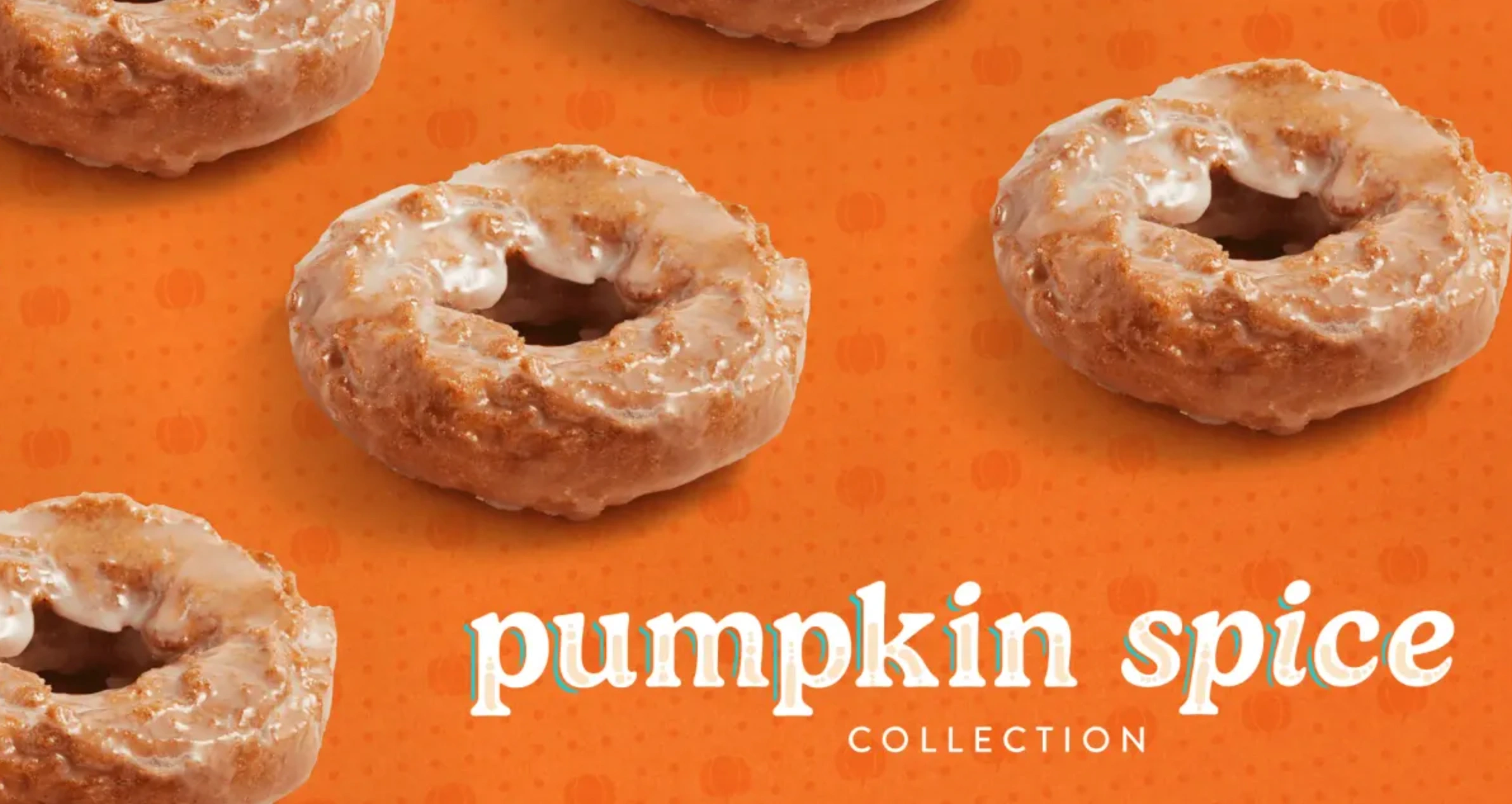
Fall demand is tangible across QSR and retail signals, from limited flavors to one-week pumpkin activations. Krispy Kreme kicked off “Pumpkin Spice Season” with a one-week August run, reflecting how brands pre-heat the calendar before October; restaurant and retail trackers show consumers trading down but still responding to value-led cozy menus. Use these markers to time launches (late Aug–Oct) and stock into what people actually repeat.
- Data proves fall marketing trends 2025 are backed by consumer demand.
- Krispy Kreme’s early pumpkin release shows how brands use fall in their campaigns to start earlier.
- Square and Placer.ai confirm that cozy menus and rituals still convert.
FAQ
1) What makes fall marketing trends in 2025 different from past years?
They’re more specific and proof-driven: cozy nostalgia tied to real products, local IRL moments, and adaptive creative that shifts week-to-week.
2) When should brands launch their fall campaigns to capture attention?
Late August. Brands are pre-heating the season before September (e.g., Krispy Kreme Aug 11, Starbucks Aug 26, Dunkin’ Aug 20).
3) How are brands using fall aesthetics in their campaigns this year?
With texture and truth: wood grain, wool, scent notes, ingredient callouts, rather than stock leaf overlays.
4) What role do creators and influencers play in shaping fall marketing?
They act as seasonal curators, seeding “cozy” stories weeks early and guiding discovery authentically.
5) Which seasonal fall flavors and themes are resonating most with consumers?
Beyond pumpkin, cookie-butter, maple, and other warm profiles are trending across fall beverages and snacks.
Crisp Marketing Strategy of Fall
The best fall marketing in 2025 builds rituals, not just ads. Anchor one nostalgic idea to a real product, stage a local moment people actually attend, and let adaptive creative follow the season’s micro-beats. With new flavors, creator-led discovery, and community calendars all peaking now, the opportunity is to show up where autumn lives: warm, specific, and unmistakably seasonal.



%2520(1).png)