
Premium and luxury are related but distinct positions. Luxury often emphasizes rarity and exclusivity, while premium usually signals higher perceived quality or value while remaining more accessible. In either case, the experience has to support the expectation, not only the price.
Consumer research shows that some attributes can support a higher stated willingness to pay. PwC’s 2024 Voice of the Consumer survey found that consumers said they were willing to pay an average of 9.7 percent more for sustainably produced or sourced goods, although PwC also cautioned that stated willingness may not translate into actual spending. That finding supports the idea that certain product attributes can contribute to perceived value; it does not mean sustainability automatically makes a brand premium.
Luxury research provides a more specific example of how status cues can become subtle. In a 2025 study of 425 consumers spending more than $20,000 a year on luxury, Cho and Cho found that social connectedness mediated several drivers of preference for inconspicuous consumption (PolyU Education). The finding is useful for high-spend luxury contexts, but it should not be generalized to every premium category.
The practical lesson is that premium perception comes from a system of small, reinforcing signals: how an object feels in the hand, how calmly a website reads, how a support email sounds, and whether the experience matches the brand positioning. The rest of this article looks at those signals in a structured way.
How People Instantly Judge Whether Something Feels Premium
People form first impressions from combinations of cues such as spacing, material, tone, and context. No single cue makes something premium on its own; coherence is what turns details into an overall impression.
Packaging research is a useful example. A 2025 study of 490 tea-bag consumers found that colour, graphics, logo, and layout influenced purchase intention through brand experience. The paper also cites a 2018 Ipsos study in which 72 percent of respondents said packaging design can influence purchasing decisions (Global Newswire). Packaging matters, but the research does not show that any one visual treatment automatically creates a premium perception.
Digital touchpoints work the same way. People scan a homepage, product page, or pitch deck and quickly form an impression of how deliberate, credible, and well-resolved the brand feels.
At a Glance: The 12 Premium Cues
- Visual identity
- Cue 1: Intentional white space and visual restraint
- Cue 2: Typography that signals care and craft
- Cue 3: Colour, contrast, and imagery that feel considered
- Cue 4: Cohesion across touchpoints, not just a nice logo
- Cue 1: Intentional white space and visual restraint
- Product and packaging
- Cue 5: Materials, weight, and tactility
- Cue 6: Craft, detailing, and finishes
- Cue 7: Sustainability as a modern premium signal
- Cue 5: Materials, weight, and tactility
- Digital experience
- Cue 8: Pacing, motion, and microinteractions
- Cue 9: Editorial content, photography, and storytelling
- Cue 10: Focused flows and frictionless journeys
- Cue 8: Pacing, motion, and microinteractions
- Service and context
- Cue 11: Service rituals, policies, and people
- Cue 12: Scarcity, selectivity, and social proof
- Cue 11: Service rituals, policies, and people
Visual Identity Cues: Looking Premium Before Anyone Reads a Word
Great brands look premium before anyone reads a headline. Visual identity sets the tone from a distance.
Cue 1: Intentional White Space and Visual Restraint
Premium brands rarely try to say everything at once. They let the design breathe.
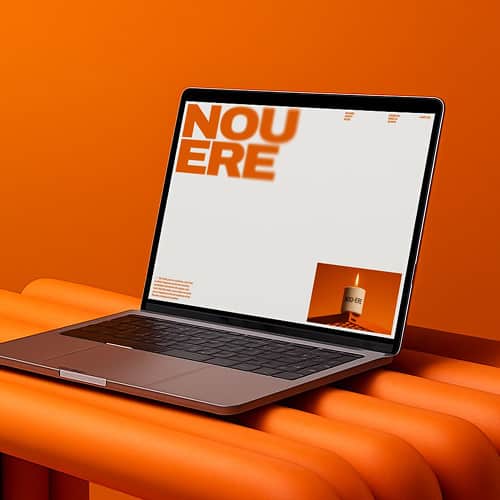
On a website or in a brochure, generous white space communicates confidence. It suggests that the brand trusts a few strong elements instead of crowding the screen with badges, buttons, and banners. Clear margins, consistent spacing, and a limited number of content blocks help your message land without stress.
Compare two homepages side by side. One shows a dense grid of offers, carousels, and pop-ups. The other presents a simple headline, one action, and a strong image above the fold. Both might be selling to the same customer, but the second is more likely to communicate focus and control.
Cue 2: Typography That Signals Care and Craft
Typography is often the most immediate signal of care. Sloppy type undermines a brand even when everything else is expensive.
Premium typography is not about picking a fashionable serif. It is about rhythm and intention: a small, consistent set of typefaces, clear hierarchy between heading and body styles, and careful attention to spacing and alignment. Kerning and line spacing should feel deliberate, not random.
A structured type system also makes it easier to scale your brand into presentations, product screens, and marketing materials without redesigning everything each time. This is where a strong visual identity design system earns its keep.
Cue 3: Colour, Contrast, and Imagery That Feel Considered
Many brands equate premium with dark palettes and metallic accents. That can work, but it is not required.
The common thread across premium brands is discipline. They use a tight palette and stick to it. Accent colours are used sparingly for emphasis, not everywhere. Contrast is used to guide the eye, not to shout.
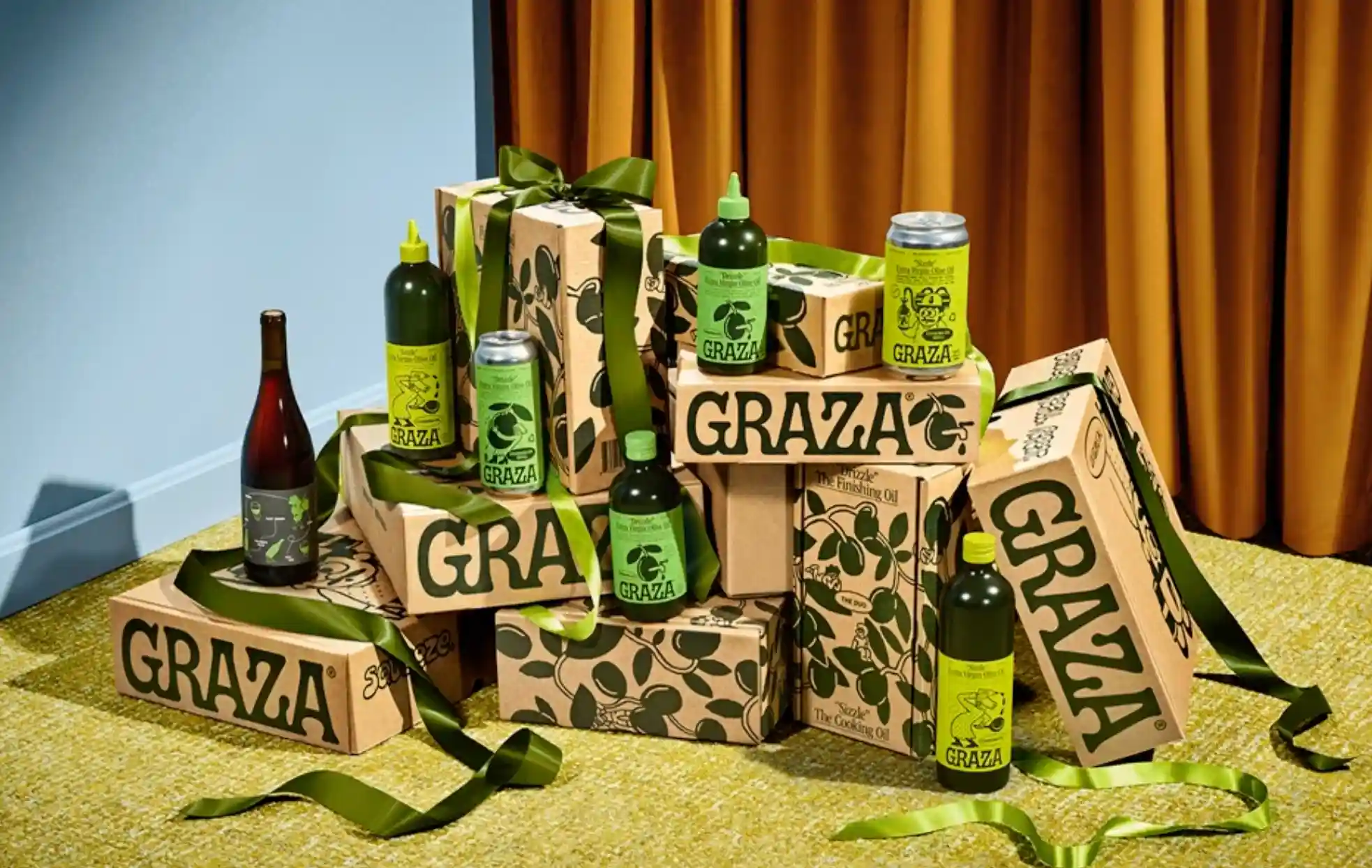
Imagery follows the same pattern. Editorial style photography, material close ups, and simple compositions feel more premium than generic stock images. Product shots are lit to show texture and finish, not just shape. Lifestyle images are chosen for mood and narrative, not only demographics.
Cue 4: Cohesion Across Touchpoints, Not Just a Nice Logo
A premium logo on inconsistent materials does not read as premium. It reads as unfinished.
Cohesion means that the same visual rules show up in packaging, decks, website, app, and even internal tools. Type scales match. Colour behaves the same way. Iconography feels like part of one family. Together, those decisions create a sense of reliability.
For many teams, this is the point where working with a specialised branding agency to codify identity into a robust system is more effective than tweaking assets ad hoc. A consistent system reduces design debt and lets every new touchpoint reinforce the same premium story.
Packaging and Product Cues: Texture, Weight, and Finish
Physical products have an advantage. They can use weight, texture, and function as cues.
Cue 5: Materials, Weight, and Tactility
Weight and material are among the first things people notice when they pick up a product. A lid that closes with a clean click or a card that feels substantial signals that something has been invested in the experience.
Research should be used carefully here. The 2025 packaging study available through the National Library of Medicine examined visual elements such as colour, graphics, logo, typography, and layout, not package weight or rigidity. Weight and tactility can still be design cues, but there is no useful rule that “heavier” automatically means “more premium.”
This does not mean everything needs to be heavy. The goal is a coherent tactile language: if the brand is about lightness and agility, materials can be thin yet crisp rather than flimsy.
Cue 6: Craft, Detailing, and Finishes
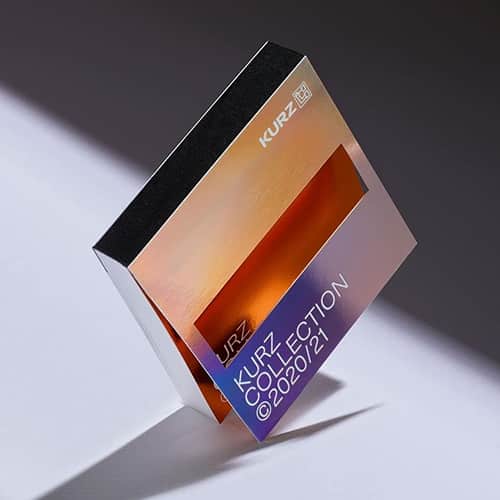
Premium brands pay attention to small details that cheaper products ignore. Embossed lettering, well aligned labels, and precise folds are all cues that someone cared.
Finishes like soft touch coatings, foils, or specialty varnishes can reinforce that impression, if they are used deliberately. Too many competing finishes can push the design toward novelty rather than premium.
A helpful lens is to ask which one or two details a customer will discover and remember. A distinctive cap, a hidden message inside the lid, or a precise join can matter more than a long list of special effects. Strong packaging graphic design coordinates those details with hierarchy, print production, and the broader brand system.
Cue 7: Sustainability as a Modern Premium Signal
Sustainability can contribute to perceived value when it is relevant, specific, and substantiated, but it is not inherently a premium signal in every category.
PwC’s 2024 Voice of the Consumer survey reports that consumers said they were willing to pay an average of 9.7 percent more for sustainably produced or sourced goods, with eco-friendly packaging among the attributes people use to assess sustainability (PwC). PwC also notes that stated willingness may not translate into actual spending. Other consumer summaries report strong sustainability interest among younger cohorts (Plastic Bank), but brands still need category-specific customer evidence before treating sustainability as a price or prestige lever.
In practice, some premium brands are moving toward recyclable boards, refill systems, and more precise sustainability claims. The design challenge is to make responsible material choices feel coherent with the product, production constraints, and the tactile experience rather than adding “green” cues as decoration.
Digital Experience Cues: What Premium Looks Like in UX and UI
For many organisations, the website or product interface is the primary showroom. Visual identity and content cues now live inside UX decisions.
Cue 8: Pacing, Motion, and Microinteractions
Premium digital experiences feel calm. They encourage people to look, not rush.
That calm comes from pacing. Animations ease in and out smoothly. Hover states respond quickly but not aggressively. Elements enter the viewport in a measured way instead of all at once. Even scroll performance becomes a cue; jitter and layout shifts feel cheap.
At the same time, performance still matters. Premium should not mean slow. It means that motion is purposeful and restrained, with every transition supporting comprehension rather than distracting from it. This is the kind of nuance a dedicated UI UX design agency can help define and systemise.
Cue 9: Editorial Content, Photography, and Storytelling
On a premium website, copy and imagery work together like a good spread in a magazine.
Headlines are short and declarative. Body copy respects the reader’s time, explaining what matters in a few clear sentences. Photography and video focus on materials, outcomes, and use in context. There is a clear point of view, but it is delivered with restraint.
Brands that rely on complex products often benefit from editorial style content: structured explainers, case studies, and thought leadership pieces that show how the brand thinks, not just what it sells.
Cue 10: Focused Flows and Frictionless Journeys
A premium experience guides people with clarity. Navigation is simple. There are only a few primary actions per page. Forms ask for what is needed, not every possible detail.
This focus builds trust. When every step feels necessary and well designed, people infer that the brand respects their time. In contrast, cluttered menus, confusing filters, and broken responsive layouts all suggest a lack of investment.
Reworking these flows is often where partnering with a specialist web design agency pays off. Clean information architecture and considered interaction design both signal that the brand is serious about quality.

Service, Social Proof, and Context Cues
Even the best design can be undone by poor service. Premium perception lives in behaviour as much as in visuals. For consumer brands, B2C and ecommerce marketing should carry the same promise from acquisition through purchase, delivery, support, and repeat business.
Cue 11: Service Rituals, Policies, and People
How a brand behaves before and after a sale is one of the strongest premium cues.
Service rituals include how quickly people receive a reply, how informed that reply feels, and whether issues are resolved with empathy or scripts. Premium service is often quiet: clear language, fair policies, and thoughtful follow-up.
Policies are another cue. Transparent guarantees, sensible return windows, and proactive status updates suggest a brand that plans for the full journey. A confusing policy page stuffed with caveats does the opposite.
Training matters too. Staff who understand the product, know when to improvise, and treat customers with respect create the human layer of a premium experience. For Canadian consumer brands, a Canadian branding and marketing agency can help standardize those service and digital cues across local retail, ecommerce, and support touchpoints.
Cue 12: Scarcity, Selectivity, and Social Proof
Scarcity can reinforce premium positioning when it is authentic and relevant to the product. Limited runs, waitlists, and selective distribution can communicate focus or exclusivity, but artificial scarcity can just as easily weaken trust.
A 2025 study of 425 high-spend luxury consumers found that social connectedness mediated several drivers of preference for inconspicuous consumption (PolyU Education). In that specific luxury context, subtle and insider-readable signals can matter more than overt displays. The finding is more useful as a category lesson than as a universal rule for premium brands.
Social proof supports these cues. Expert reviews, case studies, and credible testimonials all help justify premium positioning. The strongest examples show the outcome and context, not just praise. Structured brand research and perception studies can also reveal which signals actually move the needle for your audience.
Quiet Luxury: When Premium Signals Go Subtle
Quiet luxury has become shorthand for a specific kind of premium. It is less about minimalism and more about selective signalling.
In their 2025 paper “The hidden signals of luxury,” Cho and Cho examined 425 consumers whose annual luxury spending exceeded $20,000 and found that social connectedness mediated several psychological drivers of preference for inconspicuous consumption (PolyU Education). That sample supports a narrower conclusion: within high-spend luxury circles, understated symbols can communicate status to people who understand the code.
That does not establish a universal “quiet luxury” rule. Category knowledge, audience expectations, price point, and context all affect which signals people understand and value.
For brands, the lesson is not that everything should look plain or deliberately strange. It is that you should be clear who you are signalling to. If your buyers are already deeply engaged with the category, you may have more freedom to use subtle, even “ugly on purpose” cues that insiders recognise. If not, clarity and legibility still matter more than cleverness.
Quiet luxury also reinforces the importance of consistency. When signals are subtle, any sloppy execution can undermine the entire code.
Key Takeaways for Founders, CMOs, and UX Leads
Premium is not an aesthetic mood board. It is a disciplined set of choices about how your brand looks, feels, and behaves.
A few points to keep front of mind:
- People decide quickly whether you feel premium, often before they read a word. White space, typography, and cohesion do much of the early work.
- Product and packaging cues still matter deeply. Weight, tactility, and detailing can shape the impression of care, but heavier is not automatically better, and sustainability needs category-specific evidence rather than assumption.
- Digital experience is now a primary showroom. Calm pacing, focused flows, and clear content are some of the strongest premium cues you can control.
- Service and context either reinforce or undermine the story. Fair policies, informed people, and credible proof support premium positioning far more than slogans.
- Quiet luxury research shows that subtle signals can matter within some high-spend luxury circles; it should not be treated as a universal preference across premium audiences. (PolyU Research)
- You do not need all twelve cues. Picking a coherent subset and systemising them beats chasing every trend.
If your brand, site, or product feels a step behind the price you need to charge, revisit the cue system before adding more decoration. Brand Vision is a branding agency that connects branding, web design, and UI UX design so the experience supports the position you want the market to understand.
If you want an outside perspective on which cues matter most for your market, contact Brand Vision for a focused conversation about the brand, website, and customer experience.





.webp)