Solar-powered outdoor cameras have become a popular option for homeowners, remote properties, off-grid living, and any location where running power is expensive or inconvenient. They’re wire-free, flexible to place, and can reduce ongoing energy costs. For security brands, they’re also easier to position because the value proposition is tangible: simpler installation, reliable coverage, and a clear sustainability story that buyers understand quickly.
In this article, we’ll explain how solar powered outdoor cameras work, what features matter most when choosing one, and the benefits and setup tips that help people get consistent performance.

How Does a Solar Powered Outdoor Camera Work?
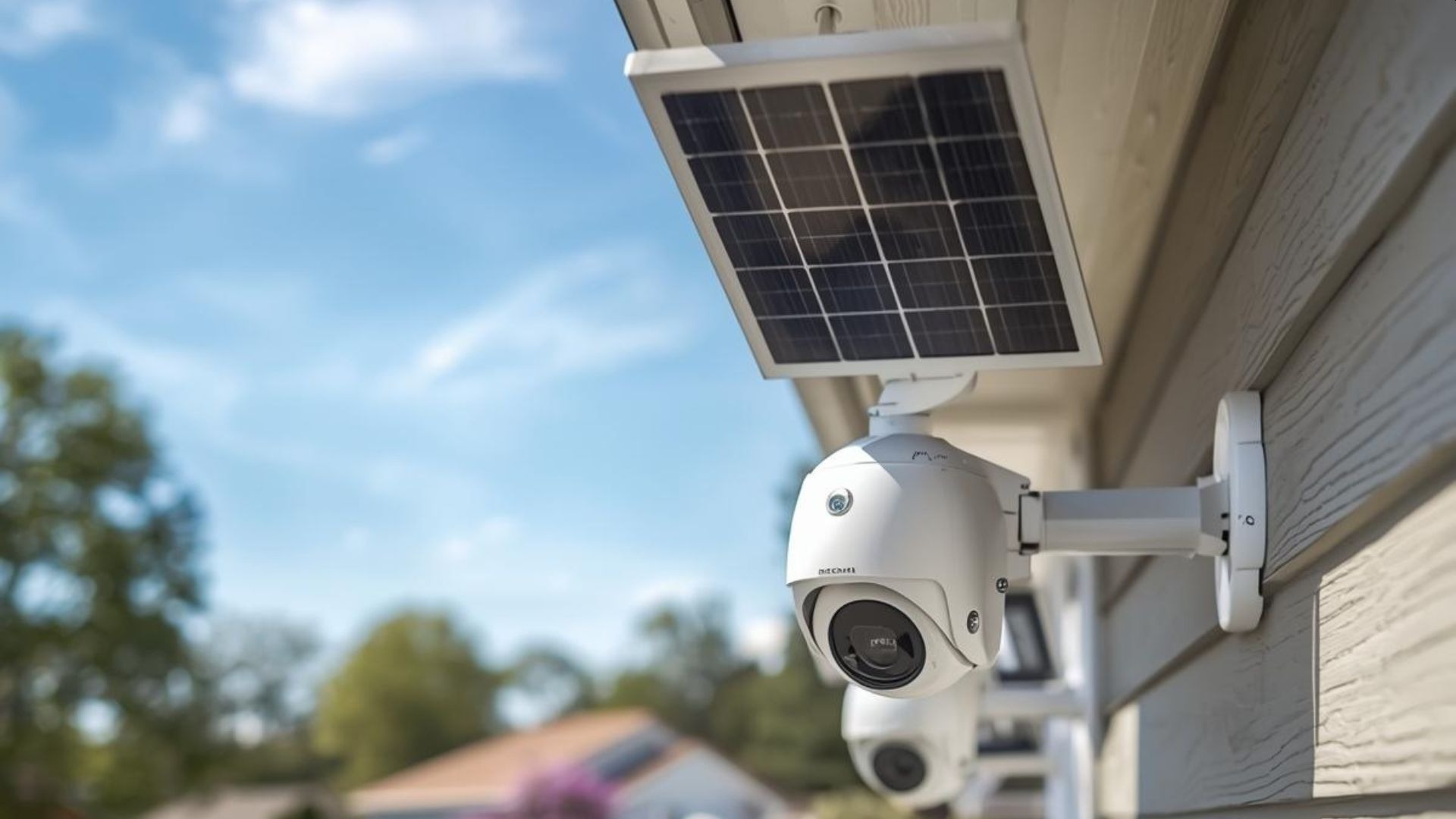
A solar-powered outdoor camera connects to a small solar panel that converts sunlight into electrical energy and charges a built-in battery. Because the power is stored, the camera can run around the clock and continue operating when there’s little or no sunlight, depending on battery capacity and usage.
Most models conserve power by using motion detection instead of recording continuously. When motion is detected, the camera wakes up, records video, and sends an alert. For connectivity, solar cameras typically use Wi-Fi, while some models support 4G cellular for remote areas. This combination of solar charging, battery storage, and smart power management is what makes truly wire-free placement possible and why buyers often choose solar over wired cameras when the install is the main barrier.
How to Choose a Solar Outdoor Camera
Video Resolution
Video quality affects how useful the footage actually is. Higher resolution improves clarity, makes it easier to identify faces or license plates, and helps cover wider areas without losing detail. Many buyers now look for 2K or 4K options, especially for driveways, gates, and perimeter monitoring. From a decision standpoint, resolution is one of the fastest trust signals because it’s easy to compare and easy to understand.
Weatherproof Rating
Outdoor cameras need strong protection against rain, dust, and snow. Look for an IP rating, which indicates resistance to environmental exposure. IP65 or higher is generally recommended for outdoor use. This matters not only for durability but also for reliability, since weather-related downtime is one of the most common reasons customers lose confidence in security devices.
Battery Capacity and Solar Efficiency
Battery capacity determines how long the camera can run without sunlight. Solar efficiency determines how quickly it recharges and how well it performs in less-than-ideal conditions. If a product claims extremely long battery life, it’s worth checking what that claim is based on (standby time vs active recording). In real-world use, motion frequency, temperature, and camera settings can all impact battery performance. For homeowners and installers who want deeper insight into how their solar setup is performing, solar performance AI can track energy output, detect inefficiencies, and help optimize charging conditions over time
Some models highlight strong battery and solar performance as a key differentiator. For example, the Altas PT Ultra is positioned as a solar-powered outdoor camera with long battery life and fast recharge, alongside features like 4K resolution, tracking, and night vision. When evaluating any model like this, the most useful approach is to match the specs to your environment: how much sun the panel will get, how often motion triggers recording, and whether you need constant alerts.
Advanced Features
For stronger security, look for features that reduce noise and increase usefulness:
- Smart detection that distinguishes people, pets, and vehicles
- Real-time alerts sent to your phone
- Two-way audio for communication
- Remote monitoring in an app
- Smart home compatibility, depending on your setup
These features matter because they improve the daily experience. A camera that sends fewer false alerts and captures more relevant clips is the one that people keep using.
Benefits of Using Solar Powered Outdoor Cameras
100% Wire-Free Installation
Solar cameras don’t need Ethernet wiring or a nearby outlet. They rely on solar charging and battery storage, and connect by Wi-Fi or 4G. This is the biggest reason buyers choose them: they can install cameras where wiring would be expensive or impossible.
Eco-Friendly and Cost-Effective
Solar-powered cameras use renewable energy, which supports an eco-friendly setup and reduces reliance on grid electricity. Over time, they can also lower operating costs, especially if you’re installing multiple cameras or monitoring a location long-term.
Works During Power Outages
Because they draw power from the battery, solar cameras can keep working during outages. That’s a practical security advantage, not just a convenience, and it’s especially relevant in areas prone to storms or unreliable power.
Ideal for Remote or Off-Grid Locations
Solar-powered cameras are a strong fit for cabins, rural properties, farms, and remote job sites. If the solar panel receives consistent light, the camera can run without external power infrastructure.
Easy Maintenance and Long-Term Durability
Maintenance is typically simple. Keep the panel clean, clear debris from the lens area, and ensure the panel isn’t shaded. With proper weatherproofing and a solid housing, these cameras are designed to hold up over time.
Installation and Setup Tips of Solar Outdoor Camera
To get the best performance, placement matters as much as the camera itself:
- Install the solar panel where it gets maximum direct sunlight and avoid shadows from buildings or trees.
- Adjust the tilt angle based on your location so the panel captures more daylight across the day.
- Keep the camera near the panel when possible. Shorter cable runs can reduce power loss.
- Install the camera around 8–10 feet above ground for clearer coverage while staying out of easy reach.
- Avoid glare and reflections from windows or shiny nearby surfaces
- Fully charge the camera before installation to stabilize performance in the first few days.
These steps reduce common complaints like inconsistent charging and missed recordings, which is why they’re worth including in any buying decision.
Common Use Cases of Solar-Powered Outdoor Camera
- Home Exterior Monitoring: Driveways, backyards, fences, garages, and perimeter areas without outdoor electrical work.
- Farms and Ranches: Outbuildings, equipment yards, livestock areas, and remote gates.
- Construction Sites: Temporary wireless security for materials, tools, and trailers.
- Vacation Homes and Cabins: Monitoring and alerts for properties that are unoccupied for long periods.
- RVs, Boats and Off-Grid Living: Security for mobile assets or tiny homes where traditional power is limited.
FAQs
What’s the best solar-powered security camera?
The best option depends on your coverage needs, available sunlight, and the features you care about most. Look for strong real-world reviews around battery performance, solar reliability, and alert accuracy, then prioritize resolution, weatherproofing, and smart detection based on your environment.
Are solar-powered outdoor cameras worth it?
They’re worth it if you need wire-free installation, want security coverage during outages, or are installing cameras where power access is difficult. Over time, the convenience and reduced reliance on electricity can offset the higher upfront cost for many buyers.
Do you need Wi-Fi for solar cameras?
Many solar cameras use Wi-Fi to send live video, alerts, and cloud recordings. Some models can record locally to an SD card without Wi-Fi, and others use 4G cellular networks for remote areas.
Final Words
Solar-powered outdoor cameras are a strong option for flexible security, especially where wiring is not practical. They convert sunlight into stored battery power, use smart motion detection to conserve energy, and can stay active through outages. If you choose a camera with solid resolution, weather protection, efficient charging, and smart detection, you’ll get more reliable monitoring with less installation effort and lower ongoing costs.


.webp)