The most recognizable brand mascots become mental shortcuts. Before a customer reads a headline or compares a price, a familiar character can signal who is speaking and what kind of experience to expect. Brand Vision looks at famous brand mascots through that strategic lens: the role a character plays in recognition, positioning, and consistency across advertising, retail, ecommerce, social content, and live experiences. For a business choosing a partner to build that system locally, a branding agency in Chicago should connect the mascot to the wider brand rather than treating it as a standalone illustration.
The strongest mascot systems are built around repeatable cues. A silhouette, voice, entrance, colour palette, or ritual becomes easier to recognize when it appears consistently, while the character’s personality gives campaigns room to evolve without abandoning the core identity.
At a glance
- Iconic brand mascots create recognition through repeatable cues such as silhouette, voice, entrance, costume, or ritual.
- The strongest characters have a clear role inside the brand story, not just a memorable design.
- Consistency matters more than novelty. Characters can change settings and formats while preserving the cues that make them recognizable.
- System1’s analysis of character-based advertising argues that recurring “fluent devices” can help viewers identify the brand quickly when they are used consistently and integrated across marketing (System1).
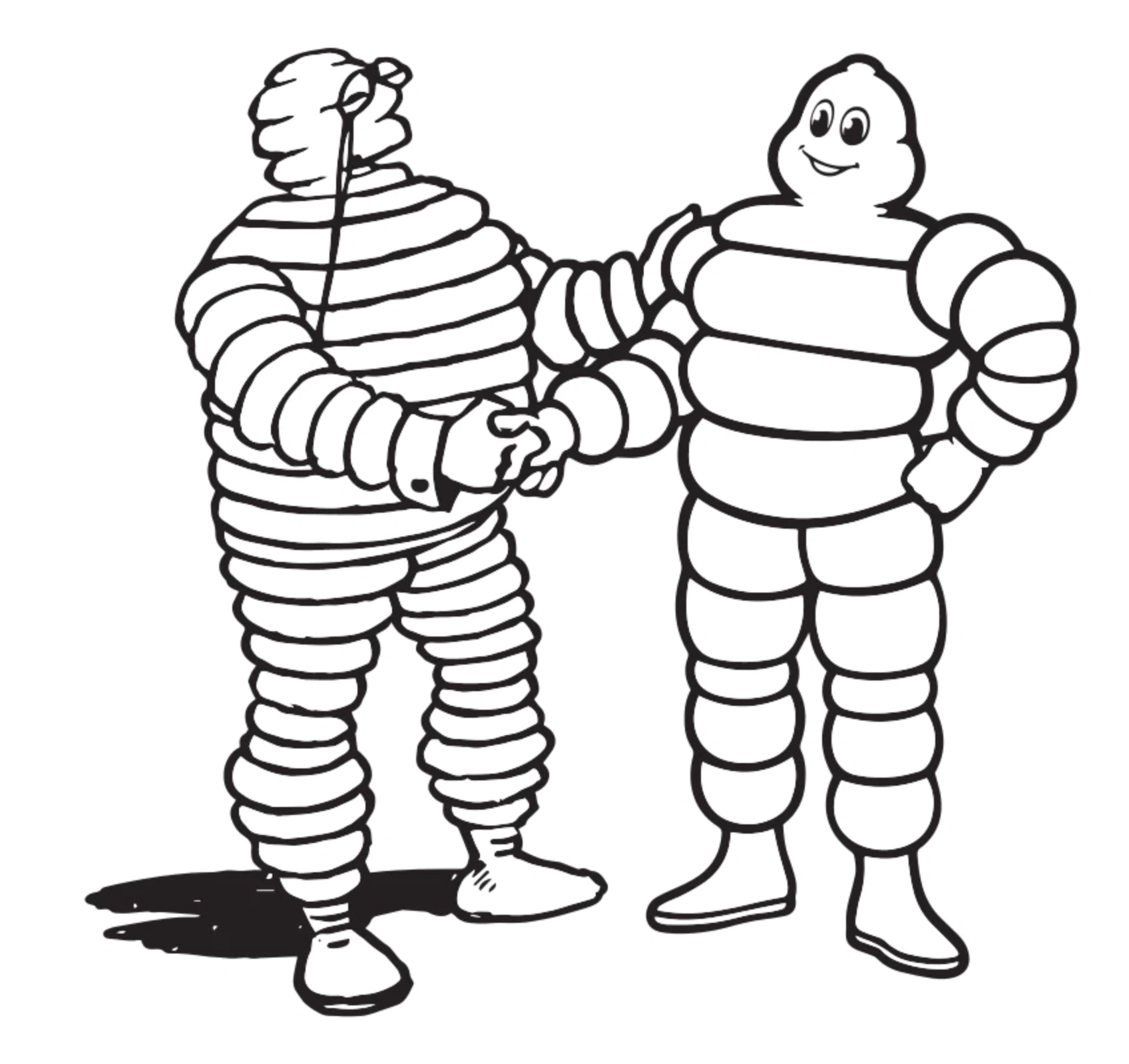
1) Michelin Man (Bibendum)
Among the most famous company mascots, Bibendum works because his role has stayed legible while his appearance has evolved. Michelin describes him as a long-running brand ambassador that has changed with the times while retaining familiar traits, including his white tyre-built silhouette. That continuity lets the character signal Michelin before the audience processes much else. (Michelin)
The larger lesson is that Michelin built more than a character. The Michelin Guide helped extend the company into travel, dining, and destination culture, which shows how distinctive assets can support brand culture and broader brand world-building. For travel businesses, the same principle can inform hospitality marketing: the recurring host, symbol, or ritual should reinforce the guest experience rather than sit beside it.
- An unmistakable silhouette and stable ambassador role make the character easy to identify.
- Evolve the style around the mascot before changing the role audiences already understand.
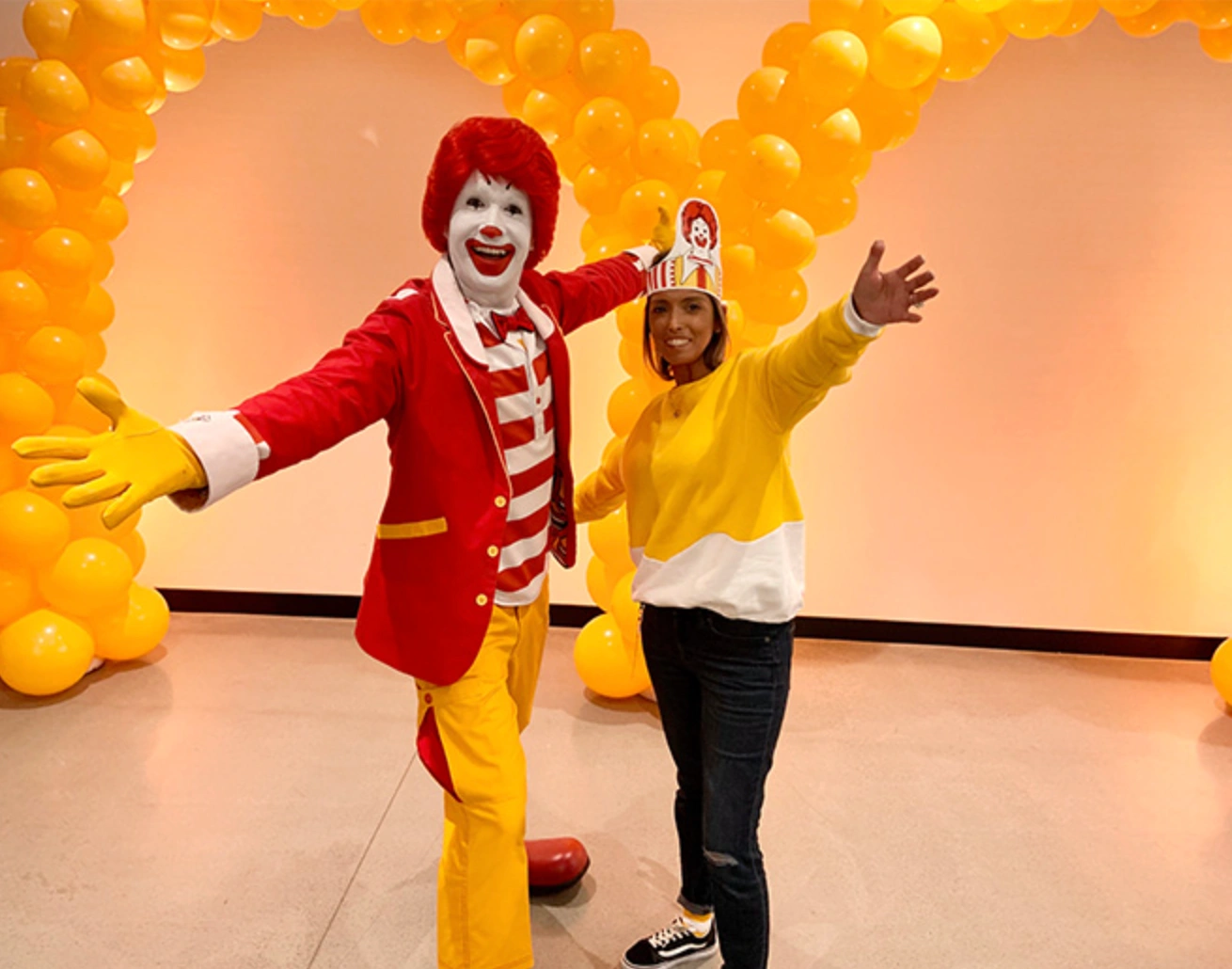
2) Ronald McDonald
Ronald McDonald shows how a mascot can extend beyond a single advertisement. Historically, the character acted as a host and became associated with family-oriented experiences around the brand. Even when a mascot appears less frequently, decades of repeated use can leave strong recognition cues behind. (McDonald’s Corporate)
The useful lesson is not that every brand needs a full-time spokesperson. It is that a character works best when audiences understand its job. A host should behave like a host, a guide like a guide, and a protector like a protector. That clarity makes the asset easier to reuse across channels without changing its meaning each time.
- A host archetype gave the character a clear function beyond visual recognition.
- Connect a mascot to repeat experiences or rituals, not only campaign artwork.
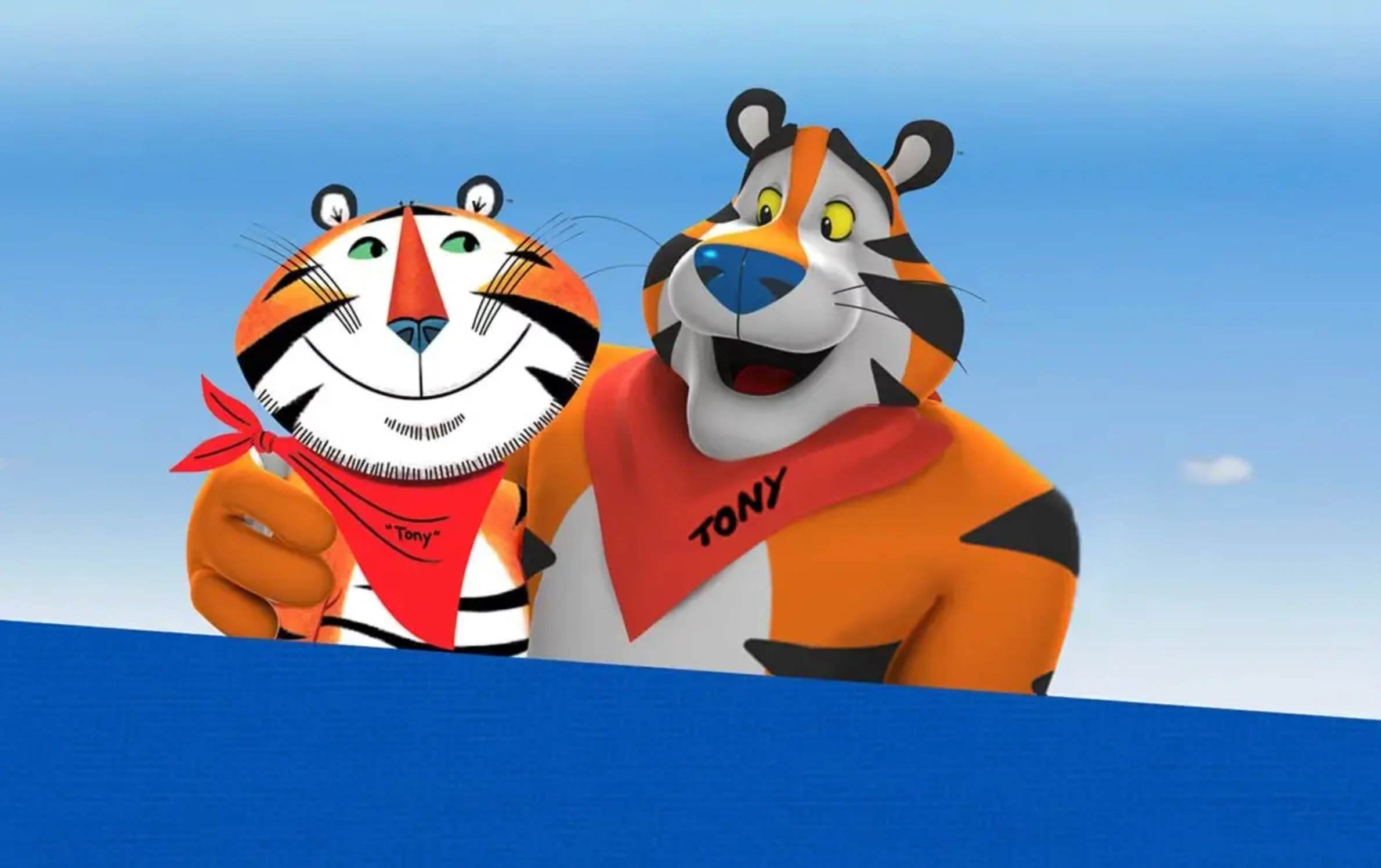
3) Tony the Tiger
Tony the Tiger is built around a small set of repeatable cues: the tiger design, confident posture, voice, and “They’re Gr-r-reat!” line. Together they communicate a champion-like personality that can survive changes in format and creative execution. (WK Kellogg)
This is where mascot governance becomes part of brand strategy. Teams need to decide which traits are non-negotiable and which can change. Clear visual identity guidelines can define colour, proportions, expressions, wardrobe, motion, and acceptable variations so the character stays recognizable across packaging, video, social posts, and partnerships.
- Catchphrase, posture, colour, and personality reinforce one another.
- Protect the character’s voice and visual rules with the same discipline used for a logo system.
4) Pillsbury Doughboy (Poppin’ Fresh)
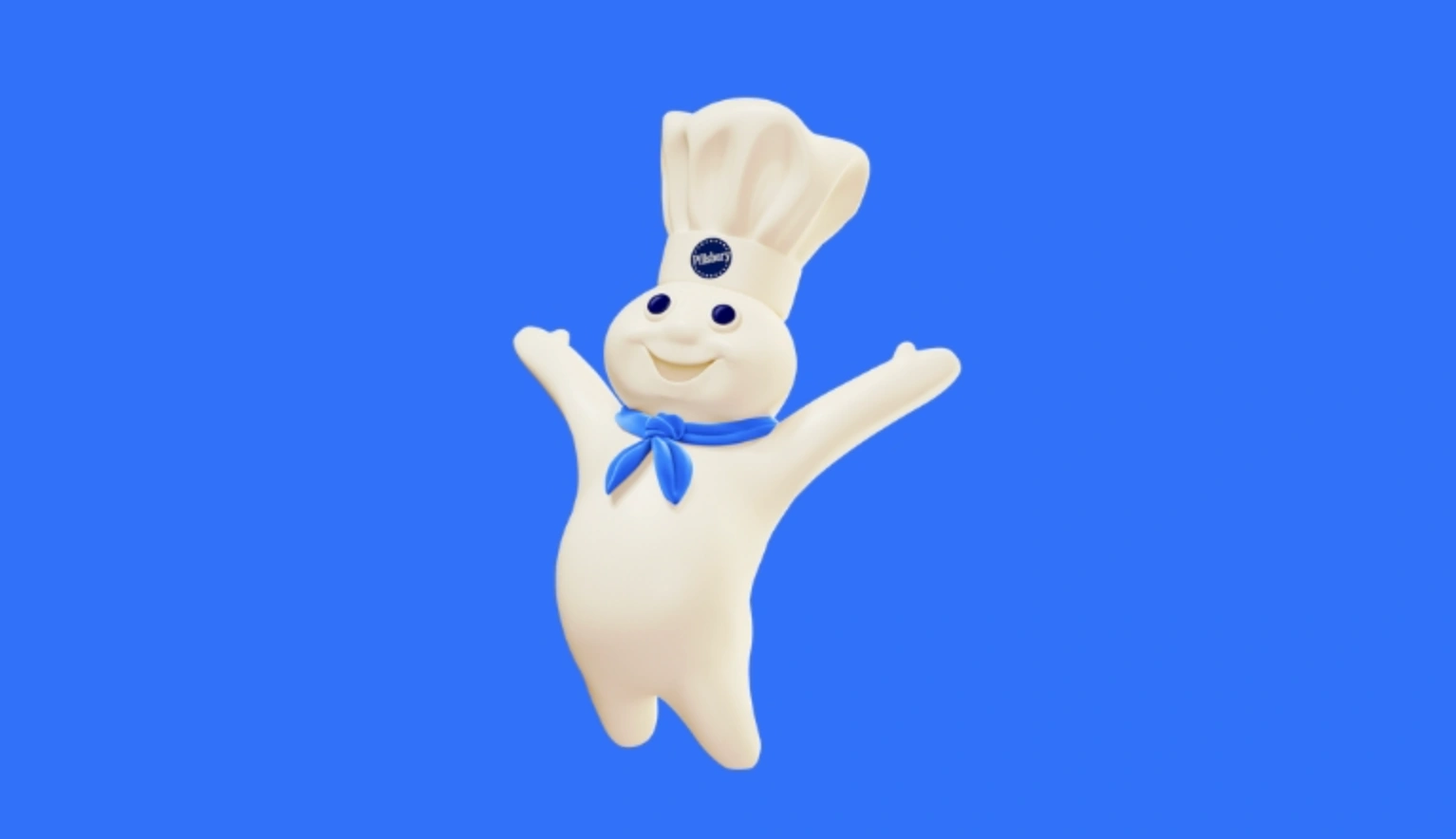
Few famous brand mascots own a ritual as clearly as the Doughboy. Pillsbury traces Poppin’ Fresh to 1965 and still foregrounds his signature giggle and kitchen-helper personality. The poke-and-giggle interaction is easy to recognize because audiences know what happens next. (Pillsbury)
That kind of ritual is especially useful in food marketing, where products are often tied to preparation, serving, comfort, and shared moments. A mascot can make one of those moments repeatable without forcing a new concept into every campaign.
- A simple interaction gives the audience something to anticipate and remember.
- Look for one repeatable behaviour people can recognize even outside a full advertisement.
5) GEICO Gecko
The Gecko is effective because he gives an abstract service a recognizable voice. GEICO says the character first appeared around the turn of the millennium and quickly became an advertising icon. The familiar persona gives the company a repeatable way to explain insurance without making every advertisement feel like a product manual. (Geiko)
The character also demonstrates how a mascot can support frequent publishing. A stable tone and role allow new scenes, jokes, short videos, and appearances to change while the identity stays familiar. The creative can move faster because the audience does not have to relearn who is speaking every time.
- A guide persona makes a complicated category easier to humanize.
- Let the mascot clarify the choice or problem, not simply decorate the message.
6) M&M’s Spokescandies
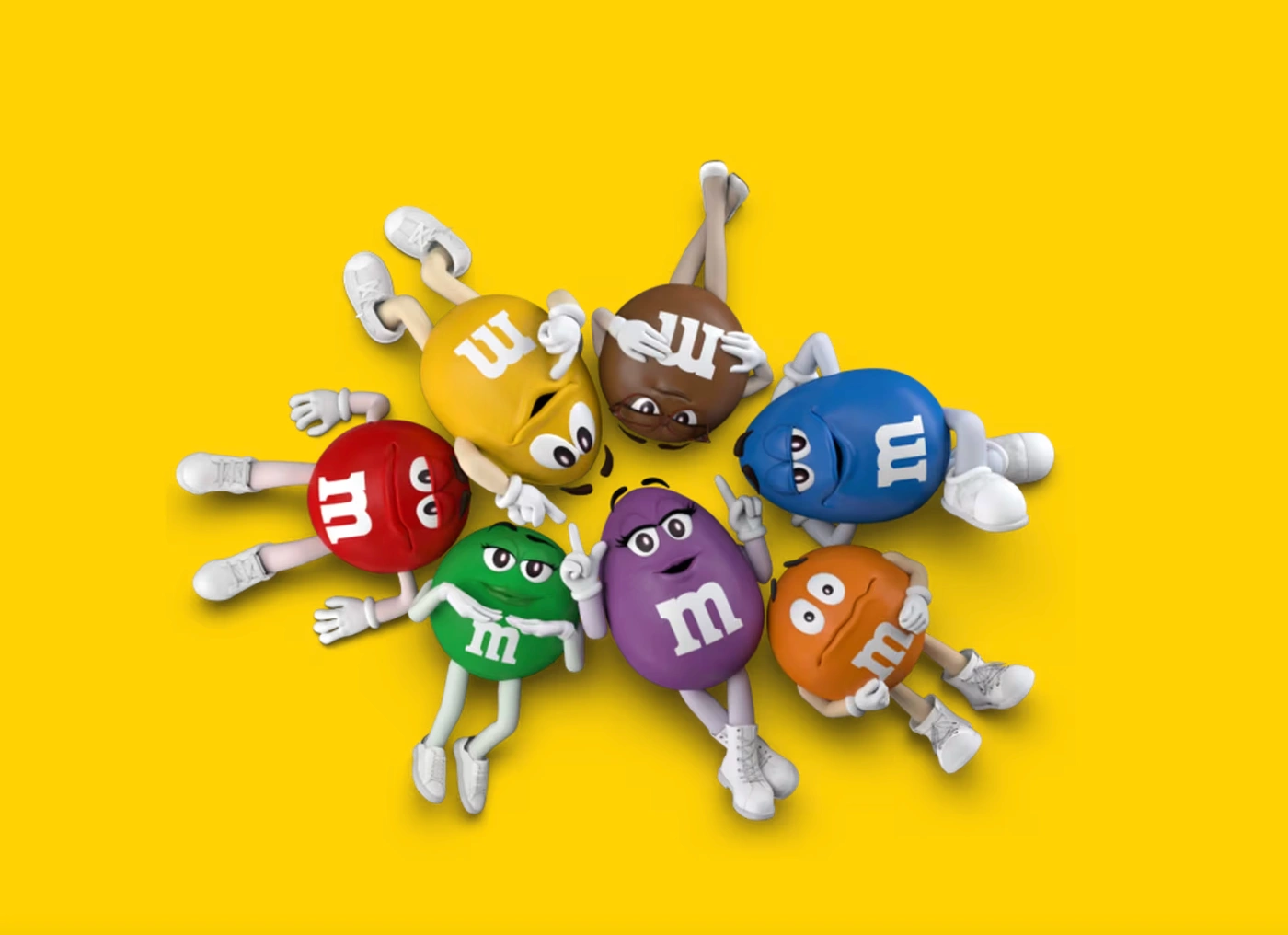
The M&M’s Spokescandies work as a cast rather than a single hero. Each character has its own personality, while the candy itself remains the unmistakable visual foundation. That gives the brand more scene variety without giving up recognizability. (M&M’s Site)
A cast can be useful when one mascot would have to carry too many tones or roles. Different characters can create contrast, conflict, or humour while still living inside one system. The important part is that the family resemblance remains obvious.
- A character ecosystem creates variety while keeping product cues constant.
- Build a cast only when each member has a distinct role and the group still reads as one brand.
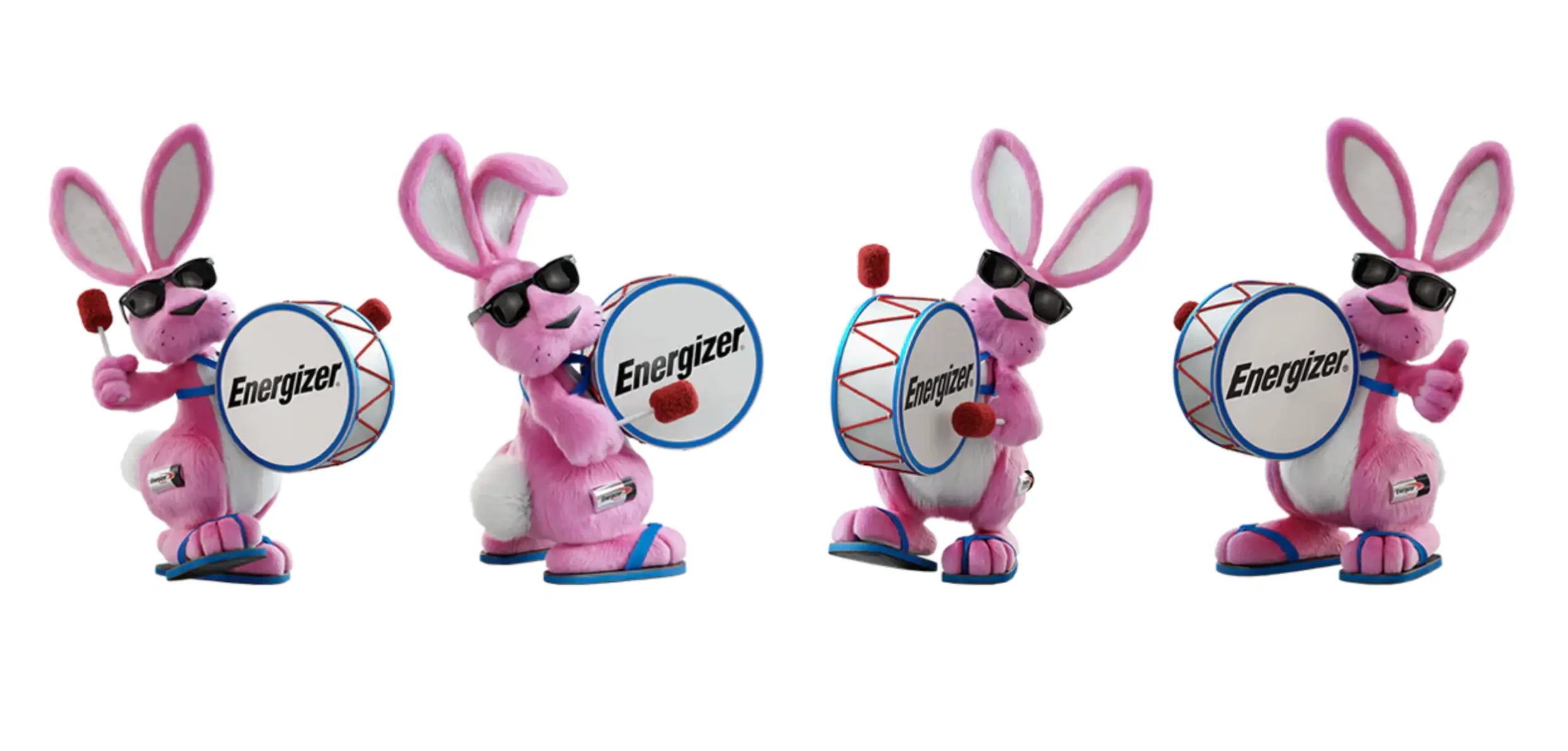
7) Energizer Bunny
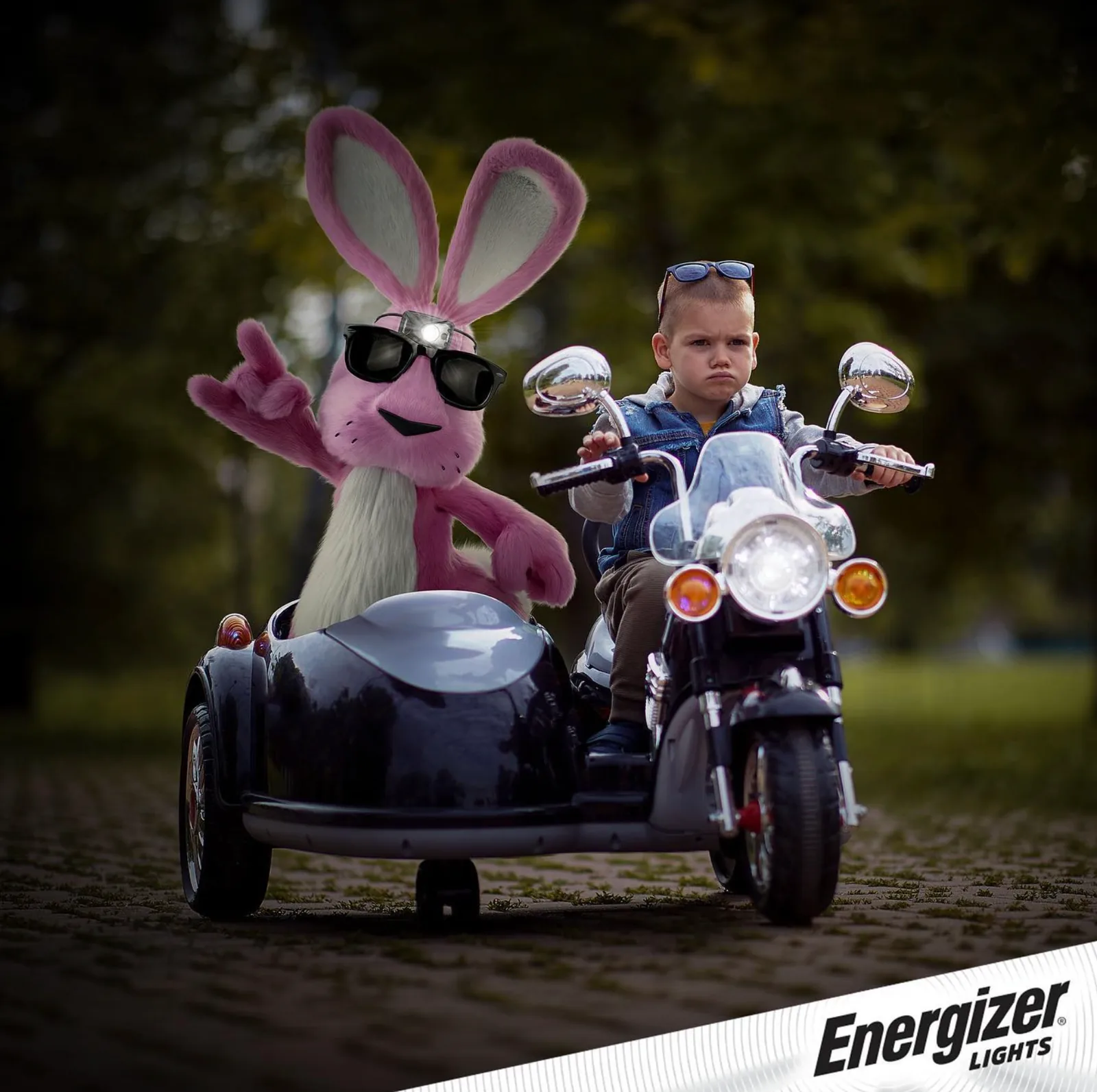
The Energizer Bunny turns the product promise into a performance. The drumbeat, sunglasses, pink fur, and “keeps going and going” concept create a disruption pattern that can interrupt another scene and still make sense. That is a strong mascot structure because the character demonstrates the proposition instead of merely standing beside it. (The Business Journals)
The broader lesson is repetition. A durable mascot lets the brand restate the same core idea through new situations instead of reinventing the identity for every campaign.
- Rhythm and interruption reinforce the battery-life idea.
- Build a repeatable pattern the audience can recognize before the full message is delivered.
8) Mr. Peanut
Top hat, monocle, cane. Mr. Peanut shows how costume alone can encode heritage and a more formal personality. The character is recognizable because those cues stay tightly controlled, even as campaign settings change.
This is where branding becomes operational. When wardrobe, posture, expression, tone, and motion are governed as parts of one identity system, the mascot can move into new formats without losing its role. (Planters)
- The silhouette communicates personality before the copy does.
- Document the mascot’s rules so new creative teams know what can change and what should not.

9) Kool-Aid Man
The Kool-Aid Man is built around one of the clearest tools in mascot marketing: the entrance. The wall burst plus “Oh, yeah!” creates a physical routine that can be recognized with very little setup. That makes the character especially adaptable to short formats because the action itself carries much of the identity.
The practical lesson is to give the mascot a moment rather than only a personality description. A recurring arrival, reaction, gesture, or line gives audiences something specific to anticipate. (Advertising Week)
- An entrance ritual and catchphrase create an immediate recognition cue.
- Choreograph one repeatable moment that still works when the surrounding campaign changes.
10) Coca-Cola Polar Bears
Coca-Cola’s Polar Bears show how mascots can carry mood as well as identification. The company traces the bears’ first print appearance to 1922 and their animated television breakthrough to the 1993 “Northern Lights” commercial. The characters became associated with a warm, seasonal version of the Coca-Cola world rather than serving as product explainers. (Coca-Cola Company)
That makes them a useful example of visual storytelling. A mascot does not always need dialogue or a complex backstory. When the environment, behaviour, and brand cues are consistent, the character can reinforce a feeling with very little explanation.
- Seasonal storytelling and familiar visual cues make the bears easy to place within Coca-Cola’s advertising world.
- Build scenes that still communicate the brand when dialogue is removed.

What You Can Apply to Your Own Brand
- Give the mascot a clear job, such as guide, host, protector, challenger, or comic foil.
- Choose one or two cues that can travel across formats, such as silhouette, voice, entrance, costume, or ritual.
- Treat the character as a distinctive brand asset with rules, not as one-off campaign art.
- Design for fast recognition. A mascot should still be identifiable in a thumbnail, short clip, package panel, or mobile screen.
- Codify tone, wardrobe, motion, humour, and usage rules before multiple teams or partners begin adapting the character.
- Make the system work across the website too. High-performing digital experiences and clear UI/UX should reinforce the same visual and verbal identity instead of presenting the mascot as a separate layer.
Where Mascots Become Strategy, Not Just Style
The most recognizable brand mascots are useful because they reduce the amount of explanation a brand needs at each touchpoint. The character can carry familiar cues while the campaign message changes. That is also why an integrated digital marketing plan matters: paid media, social content, retail creative, email, and other channels should use the character in ways that reinforce one identity rather than fragment it.
The same principle applies even if a company never creates a mascot. Brand Vision is a branding agency that helps teams shape recognizable systems through positioning, identity, web design, and channel planning. When visibility and demand are part of the brief, SEO and a focused marketing consultation can help connect those brand assets to the wider customer journey.
FAQ
What do iconic brand mascots share, regardless of category?
They usually have a clear role and a small number of unmistakable cues. That can include a silhouette, voice, costume, entrance, catchphrase, or ritual that stays recognizable even as campaigns change.
Are famous brand mascots still useful in short-form content?
They can be, because established visual and verbal cues help an audience identify the brand quickly. Short formats still require a strong idea, but a familiar character can reduce the amount of setup needed.
How many rules should define a mascot system?
Use enough rules to protect recognition without making the character impossible to adapt. Start with silhouette, colour, voice, motion, recurring behaviours, and clear examples of what the mascot should and should not do.
Should I build a cast or one hero?
Use a cast when different personalities create useful story variety and still feel like one system. If one character can carry the job clearly, a single hero is usually easier to govern.
What if our mascot feels dated?
Update context before changing the core cues. New animation, settings, collaborations, and formats can modernize a mascot while preserving the features audiences already recognize.










.webp)