Cartier's marketing strategy turns a small number of recognizable creations into symbols that can carry decades of history. LOVE, Panthère, Tank, and Santos are not marketed as interchangeable luxury objects. Each has its own origin story, design codes, cultural associations, and role inside the wider Cartier brand.
That is what makes Cartier useful as a luxury-marketing case study. Heritage creates credibility, product design creates recognition, ambassadors and cultural placements refresh relevance, and boutiques and digital service protect the buying experience. The result is a branding system where the object and the story reinforce one another.
Heritage Gives Cartier a Credible Luxury Position
Cartier's historical associations with royalty and high society are part of the house's identity, but heritage only matters when it remains visible in current products. The company continues to organize its watch and jewelry universe around designs with long histories rather than replacing its icons every few seasons.
For another premium brand, this is where brand research can help separate valuable heritage from background information. The useful question is which stories, products, symbols, and customer associations still shape how buyers understand the brand today.

LOVE Turns Product Design Into a Story About Commitment
The LOVE bracelet was created in New York in 1969. Cartier's current LOVE bracelet page still describes the oval form, visible screws, and two-functional-screw fastening system as central to the design. The collection's symbolism is therefore built into the object rather than added later by advertising.
The existing Love ring reference shows how the same visual language extends across categories. Prices and materials vary substantially by model and market, so the stronger marketing point is the continuity of the screw motif and the association with commitment rather than a fixed price threshold.
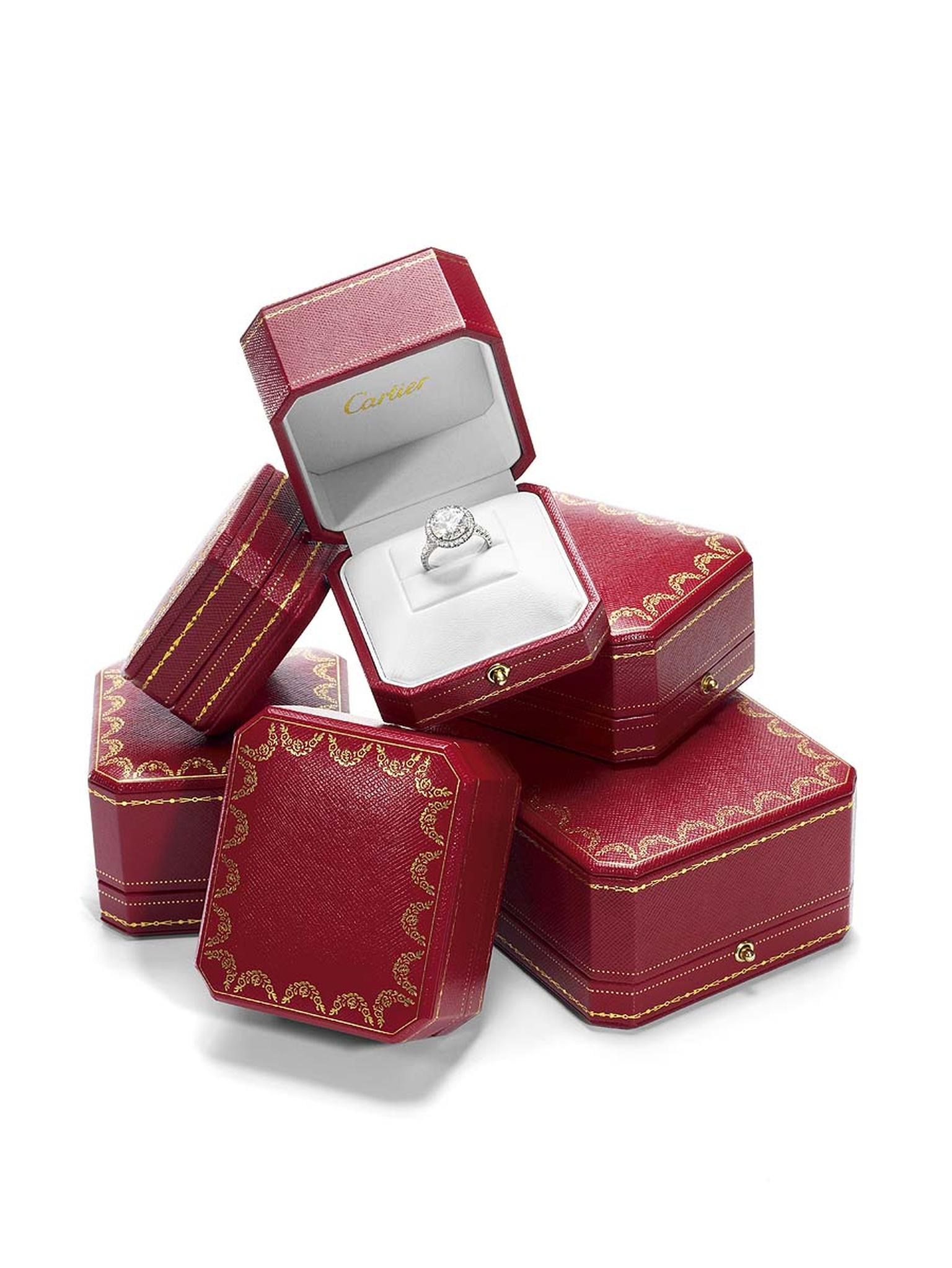
Sotheby's has written that the LOVE collection may account for around 30% of Cartier's total jewelry revenue. That figure is an outside estimate, not a Cartier or Richemont disclosure, so it should be read as an indication of the collection's perceived commercial importance rather than an audited product-line result.
Richemont does disclose the scale of its Jewellery Maisons as a group. For the year ended March 31, 2026, Cartier, Van Cleef & Arpels, Buccellati, and Vhernier generated €16.5 billion in combined sales, according to Richemont's FY2026 results. The group does not break out Cartier revenue separately in that announcement.
Panthère Shows the Power of a Repeatable Visual Code
The panther first appeared in Cartier's collections in 1914. Cartier says Louis Cartier introduced the motif and Jeanne Toussaint later helped turn the animal into one of the Maison's defining symbols. The current Panthère de Cartier collection still uses the feline across jewelry categories.
That longevity is a lesson in visual identity. A strong code can move between campaigns, products, materials, and generations without needing to look identical every time. The linked Panthère example was listed at $50,000 when the earlier article was prepared, but current prices vary by creation and market.

For luxury brands, this is more durable than making exclusivity depend on limited editions alone. Recognizable design codes can build memory even when availability changes.
Romance Gives Cartier an Emotional Selling Framework
Cartier repeatedly connects jewelry with milestones, commitment, and gifting. That emotional frame gives products such as LOVE and bridal jewelry a role beyond decoration. The purchase can represent an anniversary, engagement, marriage, or other personal marker.
The brand therefore sells both craftsmanship and symbolism. This is one reason luxury brand marketing often depends on storytelling that helps a customer explain why a high-consideration object matters to them personally.

Cultural Figures Refresh the Brand Without Replacing Its Icons
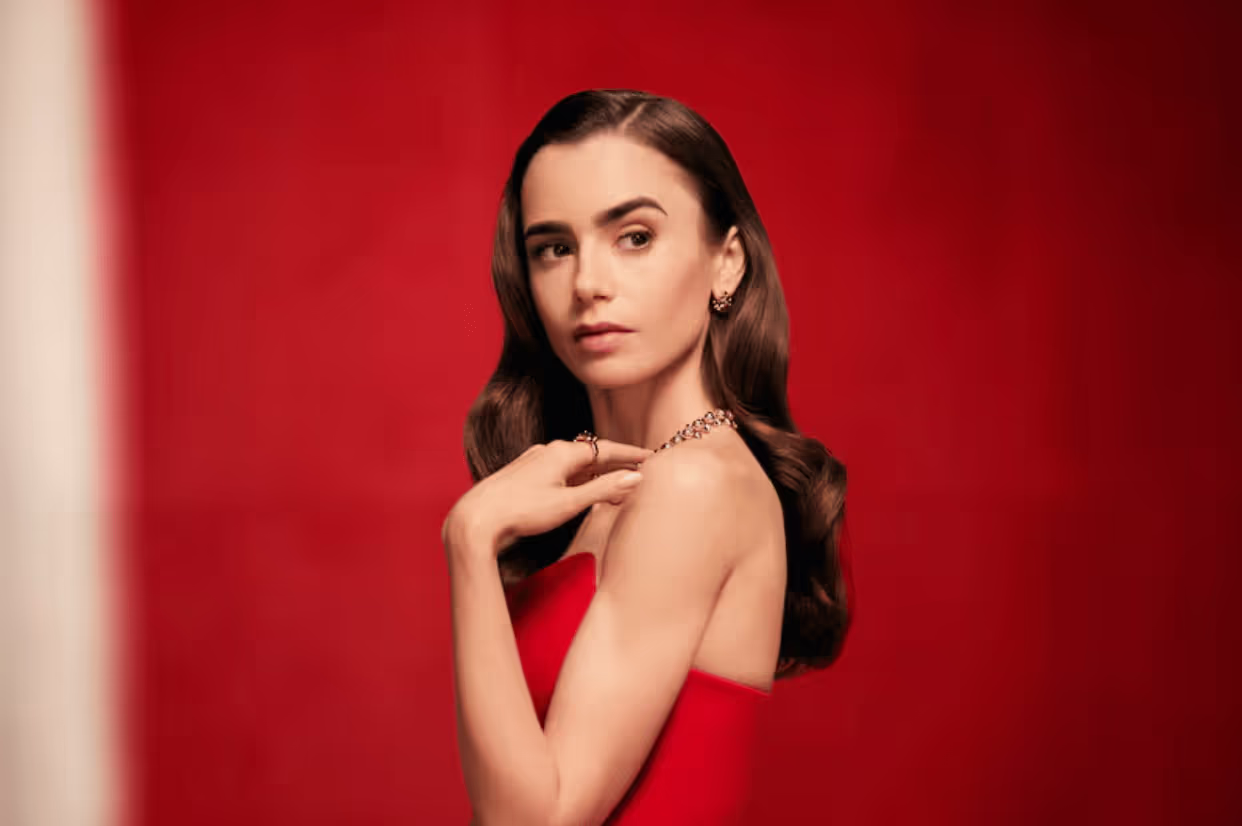
Cartier uses actors, artists, and public figures to give old product lines new cultural context. Jake Gyllenhaal remains part of Cartier's watch storytelling: the Maison's current watchmaking vision features him in a series of films exploring time.
The useful distinction is between the ambassador and the product. Cartier's icons existed before any current campaign, so a celebrity partnership can add interpretation without becoming the entire reason the product is known.

The image above has an existing metadata conflict: its alt text identifies Jake Gyllenhaal, while the stored caption says “Ocean's 8 Movie.” Direct visual verification of the migrated asset was not available, so the caption has been preserved rather than guessed.
Tank and Santos Turn Functional Design Into Brand Memory
Cartier's current watchmaking history says the Tank was created in 1917. Its rectangular architecture and parallel brancards became a design language that has supported many later variations. The point is not only age. It is that the original geometry remains recognizable.
Santos has an equally clear origin story. In 1904, Louis Cartier created a wristwatch for aviator Alberto Santos-Dumont so he could read the time while flying without using a pocket watch. Cartier still tells that history on its current Santos de Cartier page.
Individual models vary widely in price. The earlier article linked one Santos creation at $50,000, while current Canadian listings range across steel, two-tone, and full-gold configurations. A fixed “mid-range” price is therefore less useful than understanding how the same design family spans multiple tiers.
Boutiques and Digital Service Protect the Buying Experience
Cartier's retail strategy makes service part of the product. Current Cartier customer-care pages offer appointments, style advice, gift guidance, live chat, and access to ambassadors. Boutiques also provide specialist services such as care, watchmaking, personalization, and private appointments.
Digital convenience does not have to weaken a premium experience. The challenge is to make discovery and service easier while preserving the pacing, confidence, and product context customers expect. This is where UX research can identify the information and reassurance customers need before a high-consideration purchase.
The same principle applies to web design. A luxury site should feel deliberate, but it still needs clear navigation, usable product information, reliable appointment paths, and a mobile experience that does not introduce friction.

What Businesses Can Learn From Cartier's Marketing Strategy
Cartier's strongest lesson is that status becomes more believable when it is attached to recognizable product design and real history. The marketing system supports the objects instead of asking campaigns to create all of the value by themselves.
- Build a brand strategy around something customers can recognize and verify, not only around abstract luxury language.
- Use recurring product or visual codes so campaigns add to memory instead of starting over.
- Separate outside estimates from company disclosures. Third-party evidence can be useful without presenting it as an official result.
- Use ambassadors to interpret the brand rather than allowing one personality to replace the product story.
- Design digital and retail service around the level of reassurance required by the purchase.
- For consumer brands, B2C marketing should connect product, storytelling, distribution, and customer experience around the same promise.
Cartier shows how a luxury brand can remain culturally current while keeping its icons stable. The strongest growth move is often not inventing another symbol, but helping more customers understand why the existing ones matter.
If your brand needs a clearer connection between positioning, visual identity, and customer experience, get in touch with Brand Vision to discuss the priorities.