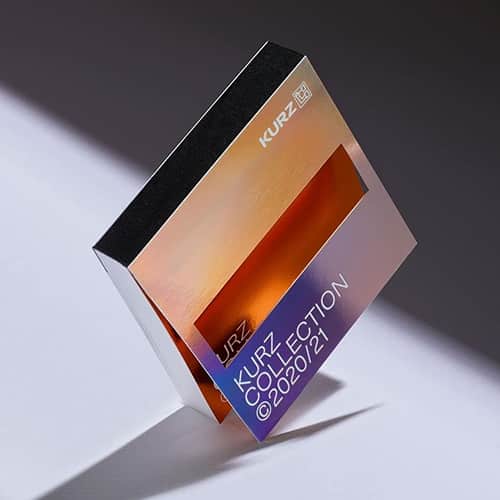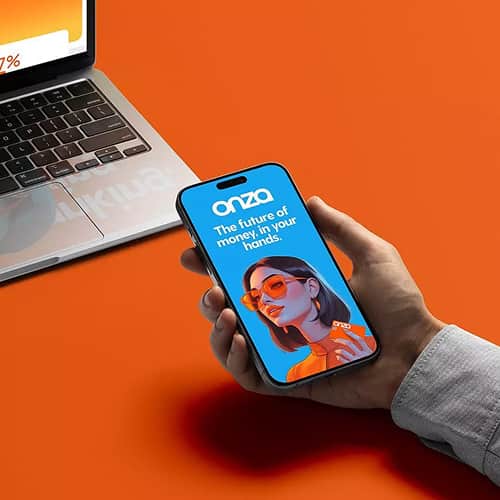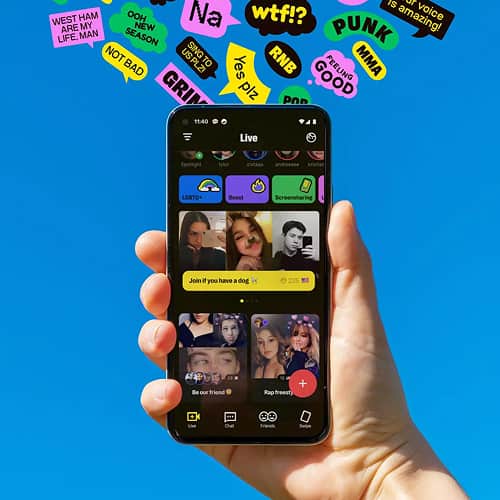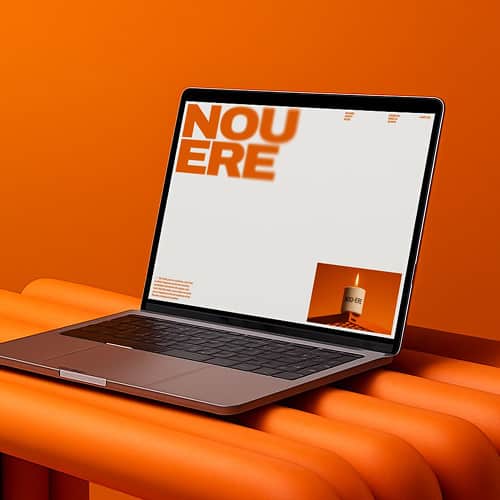
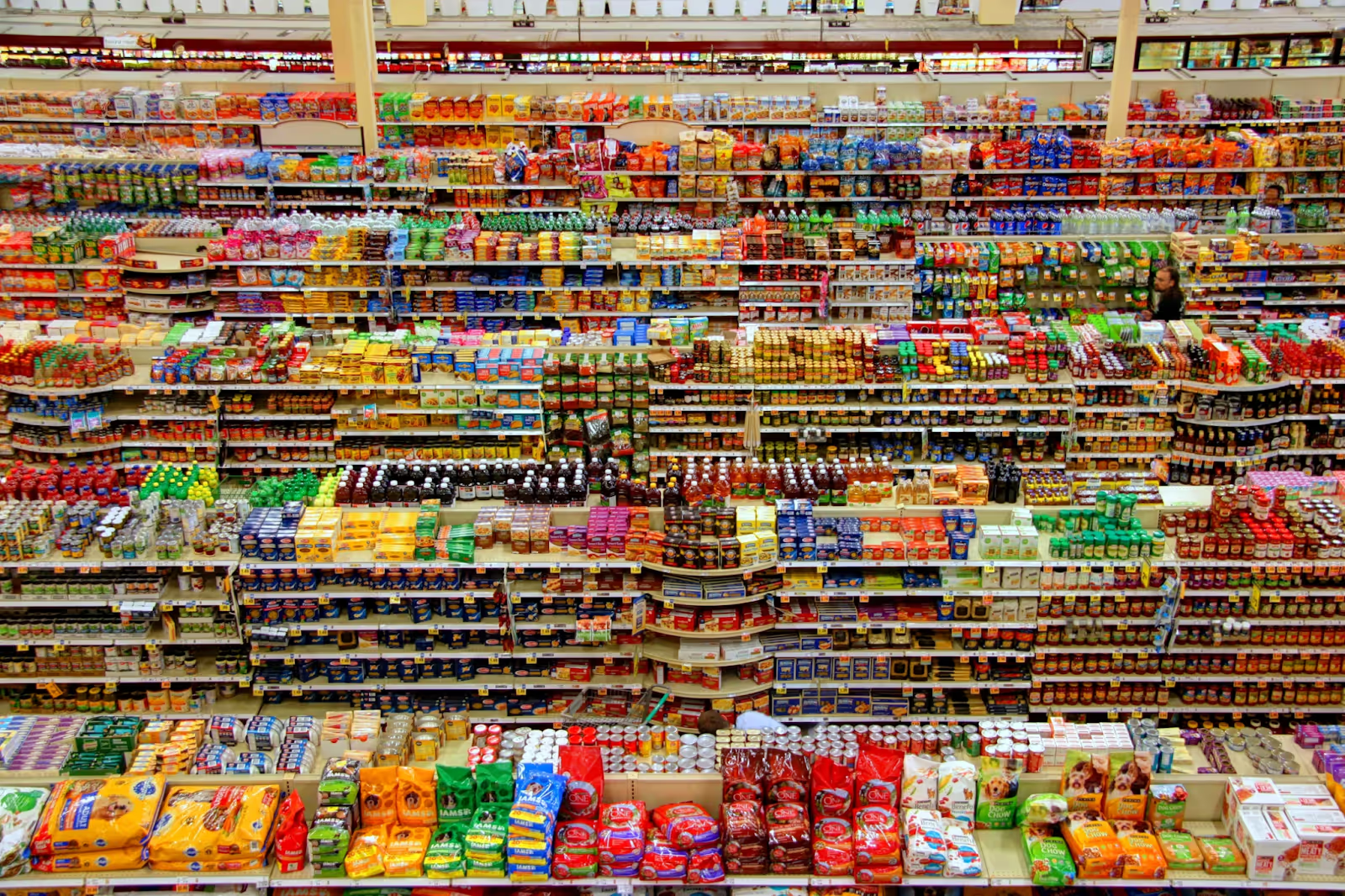
When assessing what makes a product stand out, consider its impact when displayed alongside competitors on a store shelf. Product packaging isn't merely protective; it wields significant influence over consumer choices. Imagine standing in a store aisle, surrounded by a sea of colours and shapes. These visual cues have an impact on decision-making, whether one is devoted to a reputable brand or curious about something new. Understanding these dynamics helps unravel what drives consumer choices and affects purchasing behaviour.
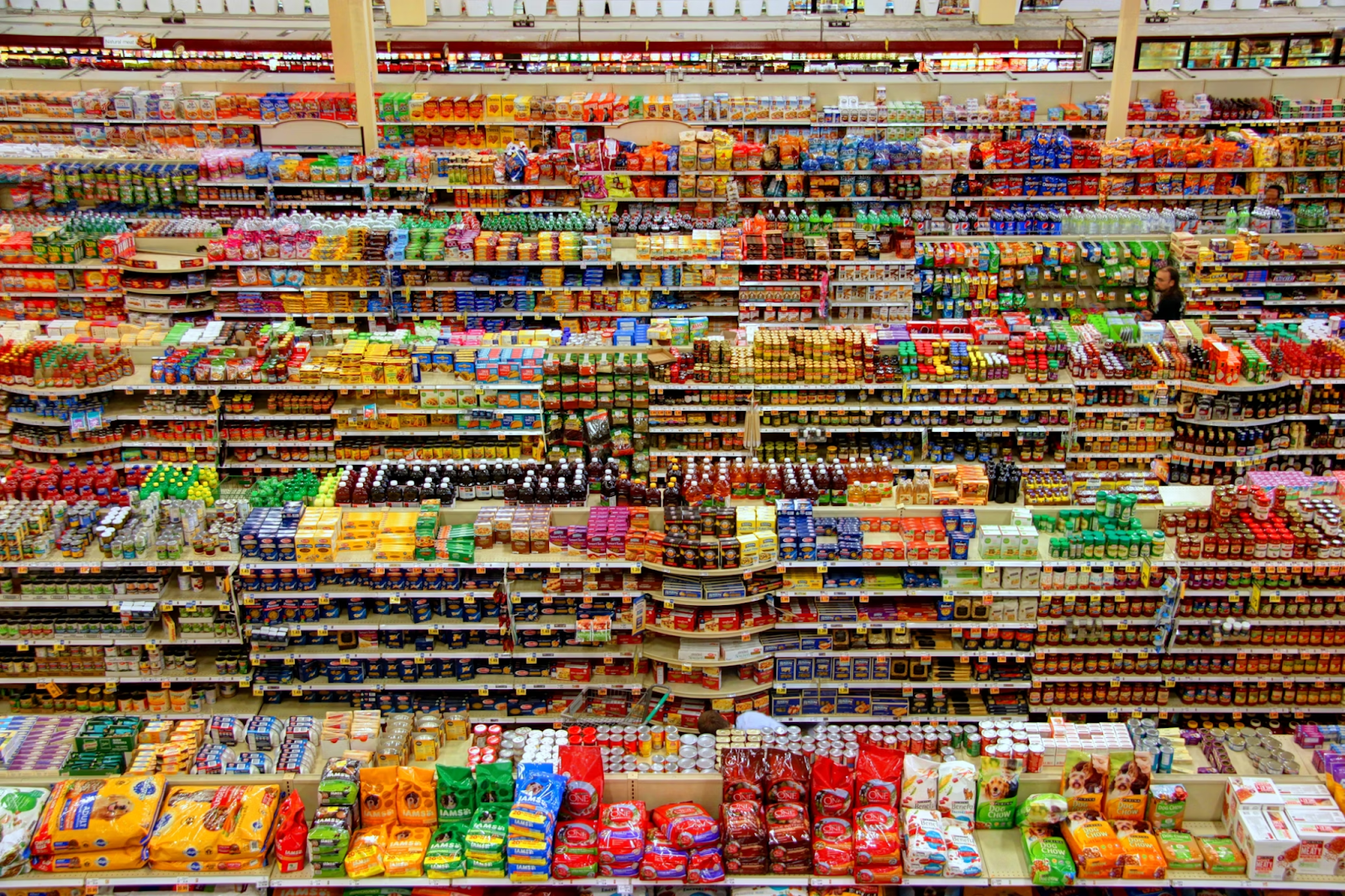
The psychology behind product packaging is pivotal in influencing consumer choices. It's not just about attracting attention but also about driving sales effectively. Understanding how colours, typography, shape, and structure influence perception allows businesses to craft packaging that resonates deeply with consumers. This knowledge isn't exclusive to major corporations, every product benefits from thoughtful design that enhances customer perception and engagement. Packaging isn't merely a container; it's a powerful tool for shaping consumer experiences and preferences. Beyond design alone, businesses increasingly rely on consumer research platforms like Attest to understand broader shifts in behaviour, preferences, and expectations. Insights such as food and beverage industry KPIs help brands interpret evolving consumer attitudes and make more informed decisions around packaging, branding, positioning, and overall customer experience.
Colours
Colour plays a pivotal role in product packaging, serving as a powerful tool for attracting attention and evoking emotions. The psychology of colour underscores how different hues resonate emotionally, varying across cultures. For instance, red sparks excitement and urgency, while blue conveys trust and serenity. A thoughtfully chosen colour palette can profoundly influence how consumers perceive a product and the feelings it evokes.
Designers often explore triadic color schemes in packaging to create visually harmonious yet striking combinations. This approach uses three evenly spaced colors on the color wheel, delivering balance and vibrancy that capture attention on crowded store shelves. Incorporating triadic schemes can help products stand out while maintaining aesthetic appeal, making them memorable to consumers.
Using bold and distinctive colours can set a product apart in a crowded market, making it more memorable. Marketers should consider employing uncommon colours within their product categories to enhance differentiation. However, it's crucial to recognize that colours can carry varied meanings globally. For example, black symbolizes luxury in Western cultures but signifies mourning in some Eastern cultures. Similarly, red signifies love in the West but represents luck in parts of Asia.
Contextual considerations are equally vital. The same colour may signify nature and health in one context but financial prosperity in another. By understanding these cultural and contextual nuances, marketers can design packaging that effectively communicates a product's value and resonates with diverse audiences worldwide.
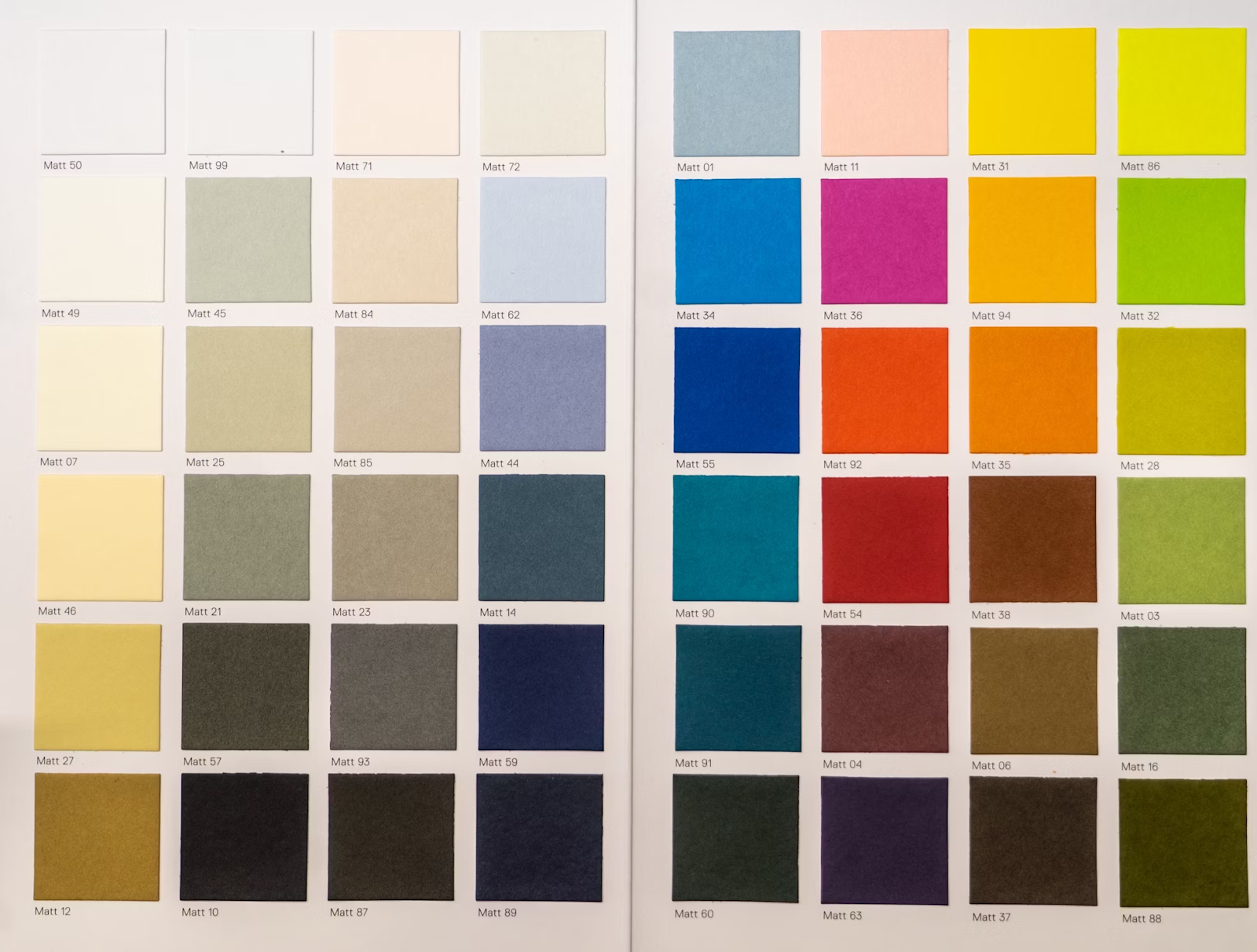
General Colour Guide according to GWP Group:
Red: Excitement, bold, youthful, passion, warmth, strength, power, action, enthusiasm, love, desire.
Orange: Friendly, cheerful, confident, fun, adventurous, warmth, cost-effectiveness, creativity.
Yellow: Cheerful, clarity, warmth, optimism, fun, energy, happiness, confidence.
Green: Soothing, freshness, growth, peaceful, healthy, eco-friendly, harmony, security, wealth.
Blue: Calming, trustworthy, efficiency, serenity, logic, intelligence, dependability, strength, honesty.
Purple: Indulgence, luxury, opulence, spirituality, nobility, wisdom, exclusivity.
Pink: Femininity, calming, beauty, youthful, playful, love.
Brown: Earthy, comforting, security, natural.
Black: Elegance, premium, sophistication, authority, strength, mystery.
White: Simplicity, elegance, purity, innocence, goodness, humility, cleanliness, new beginnings, premium.
Grey: Calm, neutral, balanced.
Typography
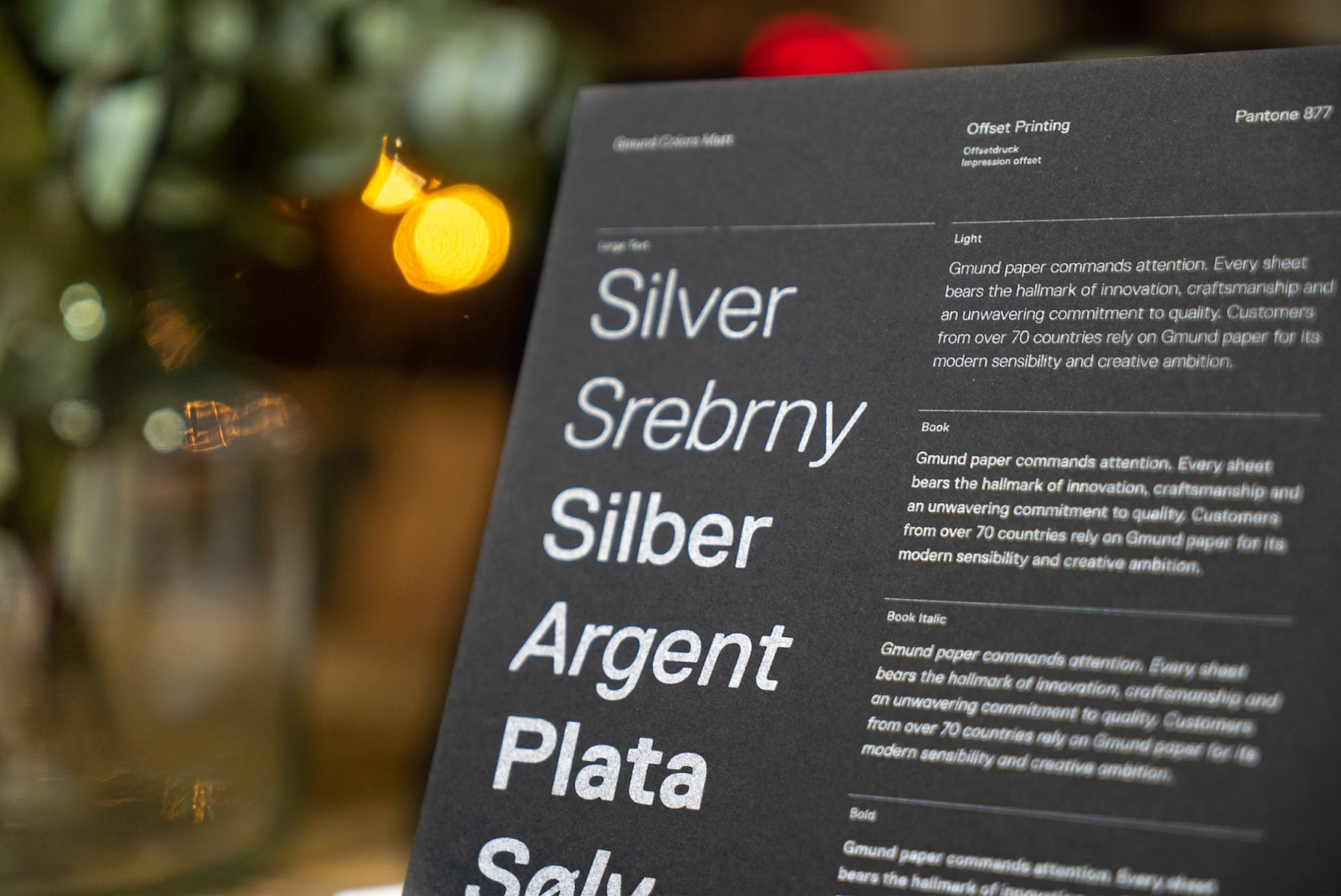
Effective typography plays a crucial role in branding and product communication. Fonts should align with your brand's message, enhancing its identity while maintaining readability and hierarchy for clear information dissemination. The typography on packaging needs to be legible and well-organized, aiding consumers in quickly grasping your product's essence and benefits. Cultural preferences and buyer behaviour vary, influencing font choices and design approaches globally.
Moreover, typography significantly impacts accessibility, ensuring inclusivity for all, including those with visual impairments. Clear and readable typography enhances product accessibility across diverse cultural and linguistic backgrounds. For instance, in Asian cultures, the appreciation for calligraphy and intricate handwriting shapes consumer preferences, reflecting cultural values in typography choices. Understanding these nuances is essential for crafting typography that resonates universally and effectively communicates your brand's identity and values.
Shape
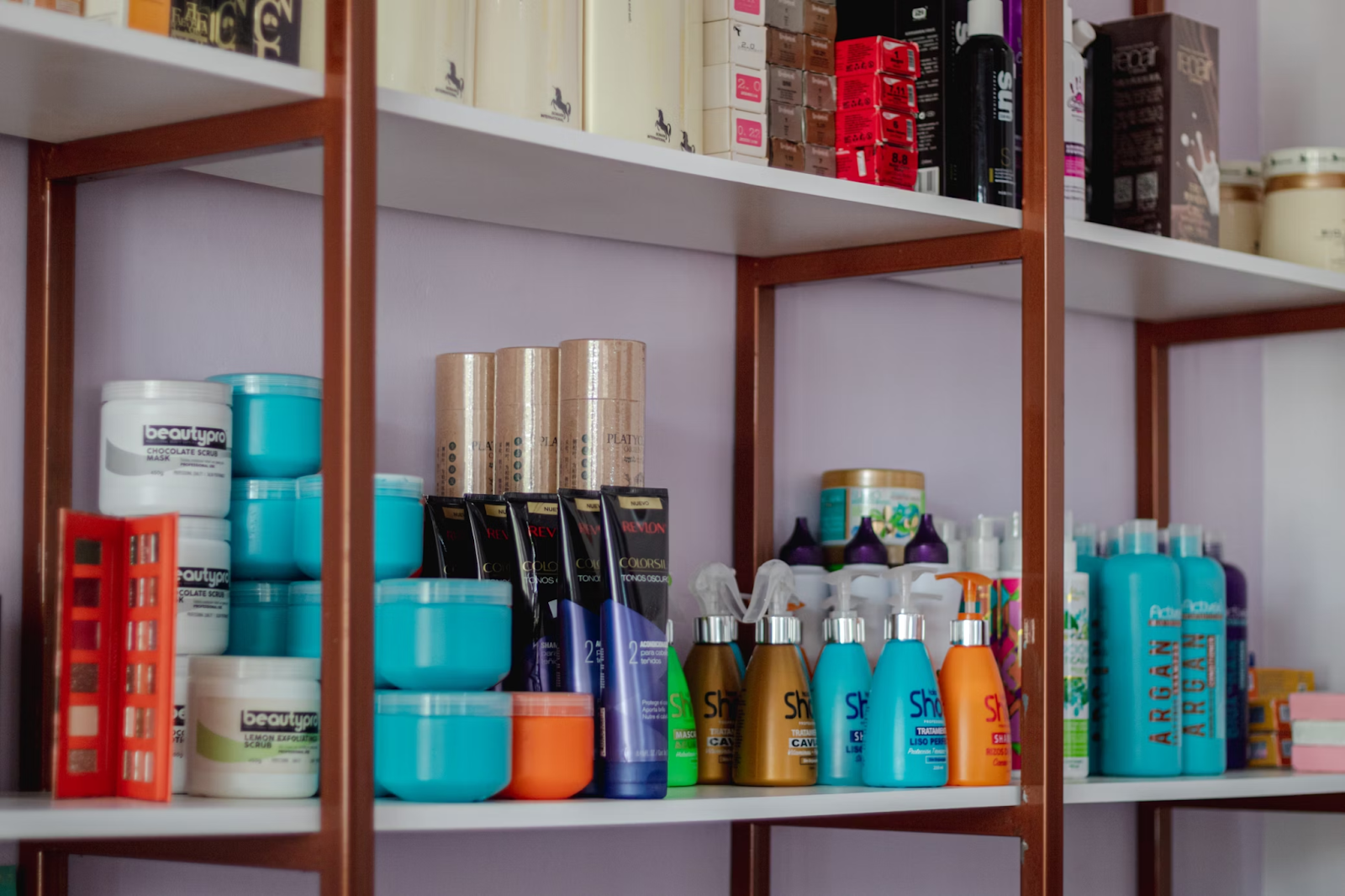
Consider the shape of your packaging as a crucial element in standing out on store shelves and in consumers' hands. Different from standard designs in your category, unique shapes can enhance visibility and consumer perception. Shape impacts not only aesthetics but also functionality, which is why integrated packaging design and manufacturing is so important for influencing shelf placement and shipping efficiency. Analyzing competitors' packaging can highlight opportunities for distinctiveness; for instance, opting for a square bottle amidst curvilinear designs can amplify product differentiation. Therefore, your packaging's shape isn't just about looks: it's a strategic choice for both visual appeal and practicality in logistics.
Materials
Packaging materials play a crucial role in influencing consumer buying behaviour in three key ways.
Firstly, consider presentation and appearance. The packaging serves as the initial gateway to your product. While plain cardboard may suit everyday items, luxury products demand more sophisticated materials like plastic, metal, or wood to convey exclusivity and allure to impulse buyers.
Secondly, complexity is pivotal. The packaging should match the product's intended use. For items meant for immediate disposal, simplicity reduces waste and enhances user convenience. Conversely, durable products require robust packaging that reflects longevity and quality, reinforcing consumer confidence in the product's integrity.
Lastly, texture influences consumer interaction. Whether smooth, textured, or weighty, packaging materials should enhance the tactile experience, making them pleasing to handle. This tactile appeal ensures that even before using the product, consumers form positive associations based on how the packaging feels in their hands.
Brands that invest strategically in packaging design and manufacturing ensure that visual identity, material choice, and structural integrity work together. When these elements are aligned, packaging becomes both a marketing tool and an operational asset, supporting brand positioning while maintaining consistency in production and logistics.
Understanding the psychology behind product packaging is essential for brands aiming to stand out on store shelves and influence consumer choices. Effective packaging isn't just about protection, it's a powerful tool that shapes perceptions and drives sales. Whether the choice of colours that evoke specific emotions, typography that communicates brand identity clearly across cultures, or the shape and material that enhance both visual appeal and practicality, every detail matters. For a unique touch, businesses can incorporate custom wrapping paper for retail businesses to elevate their packaging game, providing a memorable unboxing experience that leaves a strong impression on customers. By harnessing these elements thoughtfully, brands can create packaging that not only attracts attention but also resonates deeply with consumers, fostering trust, loyalty, and lasting brand impressions.

%2520(1).png)
.png)