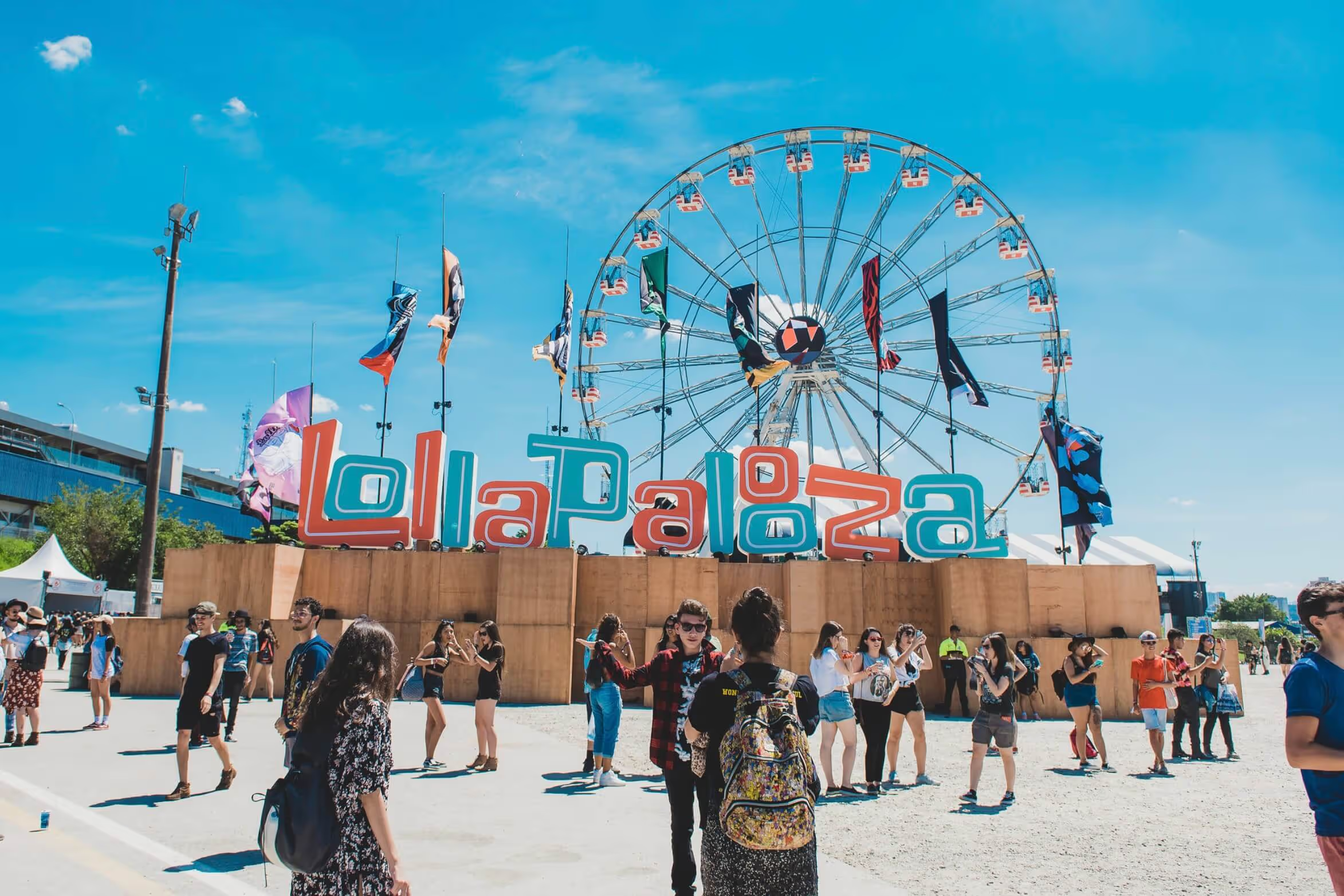
Lollapalooza is more than a four-day music festival in Grant Park. Its Chicago edition is built as a year-round entertainment brand, using social content, creator partnerships, email, community programs, and the on-site experience to keep audiences engaged before and after the gates open. That makes the festival a useful example of entertainment marketing that extends well beyond lineup announcements.
Social Media Keeps the Festival Active Between Events
Lollapalooza uses social media to turn a seasonal event into an ongoing conversation. Its channels carry lineup news, artist content, backstage moments, fan reactions, festival reminders, and visual recaps that keep the brand visible throughout the year.
The strongest part of that approach is continuity. Posts do not have to sell tickets every time. They can reinforce the atmosphere, music culture, and community around the festival so that major announcements arrive to an audience that is already paying attention. The same principle appears in Brand Vision's analysis of Duolingo's TikTok strategy: platform-native content works better when it still feels recognizably connected to the brand.

Creator Partnerships Extend the Festival Into Other Audiences
Creators and artists can give a festival access to communities that may not follow the event directly. Lollapalooza has used collaborations and creator-led content to show the festival through personalities audiences already know, which can make the event feel less like a generic promotion and more like a cultural experience.
The embedded Ninja video in this article is one example of that approach. The earlier version attached an unverified view total to the collaboration, so that number has been removed. The more durable lesson is that creator partnerships work when the creator has a clear reason to be part of the experience rather than appearing as a disconnected endorsement.
For Lollapalooza, that means partnerships can support a broader brand strategy: music, fashion, internet culture, and live experiences all reinforce the same festival identity.
Email Marketing Turns Attention Into Action
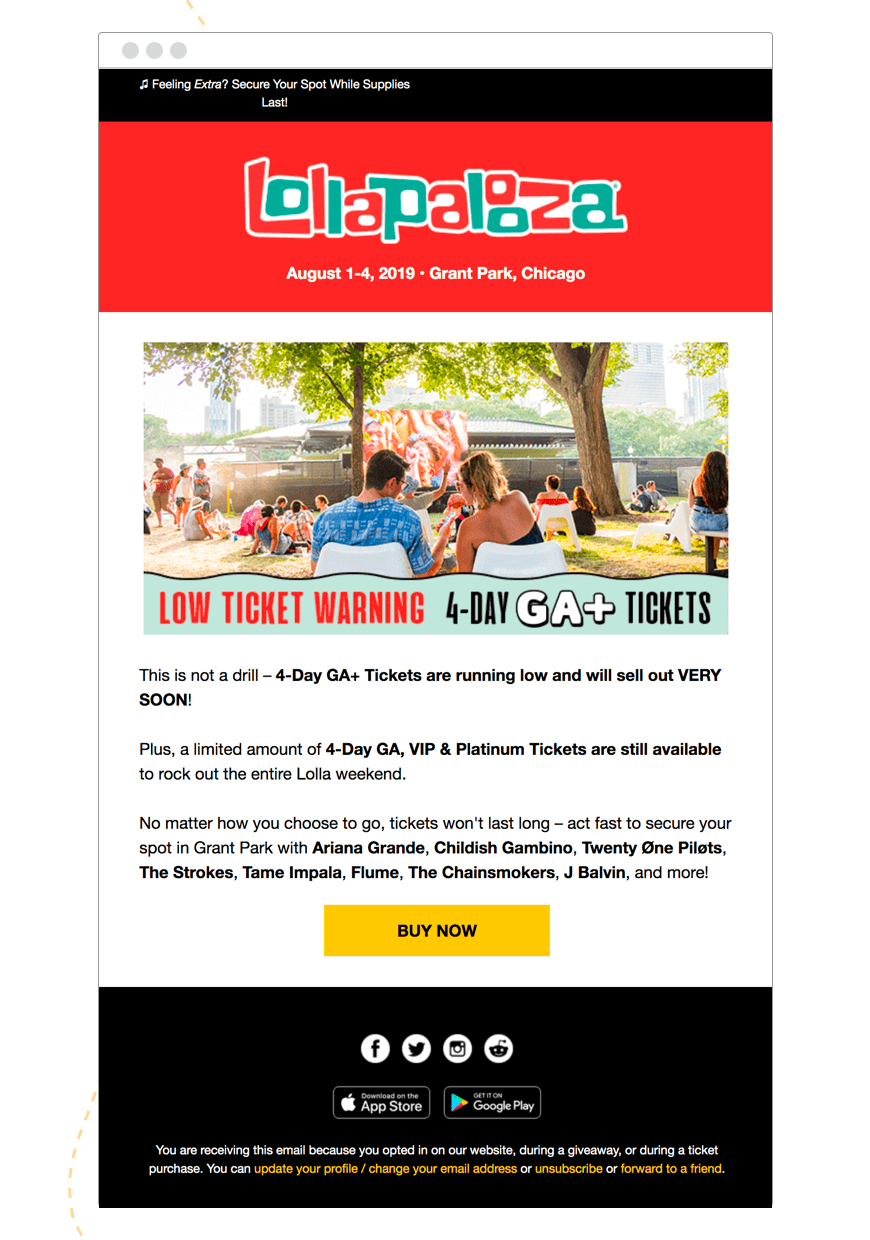
Social media is useful for discovery, but email gives the festival a direct channel for people who have already shown interest. Lineup announcements, ticket updates, schedules, and practical event information can move from awareness to a specific next step without depending on an algorithm.
This is why email remains useful in a B2C marketing mix. The channel can support different moments in the customer journey, from early anticipation to ticket conversion and pre-event planning.
Chicago Community Programs Strengthen the Festival's Local Role
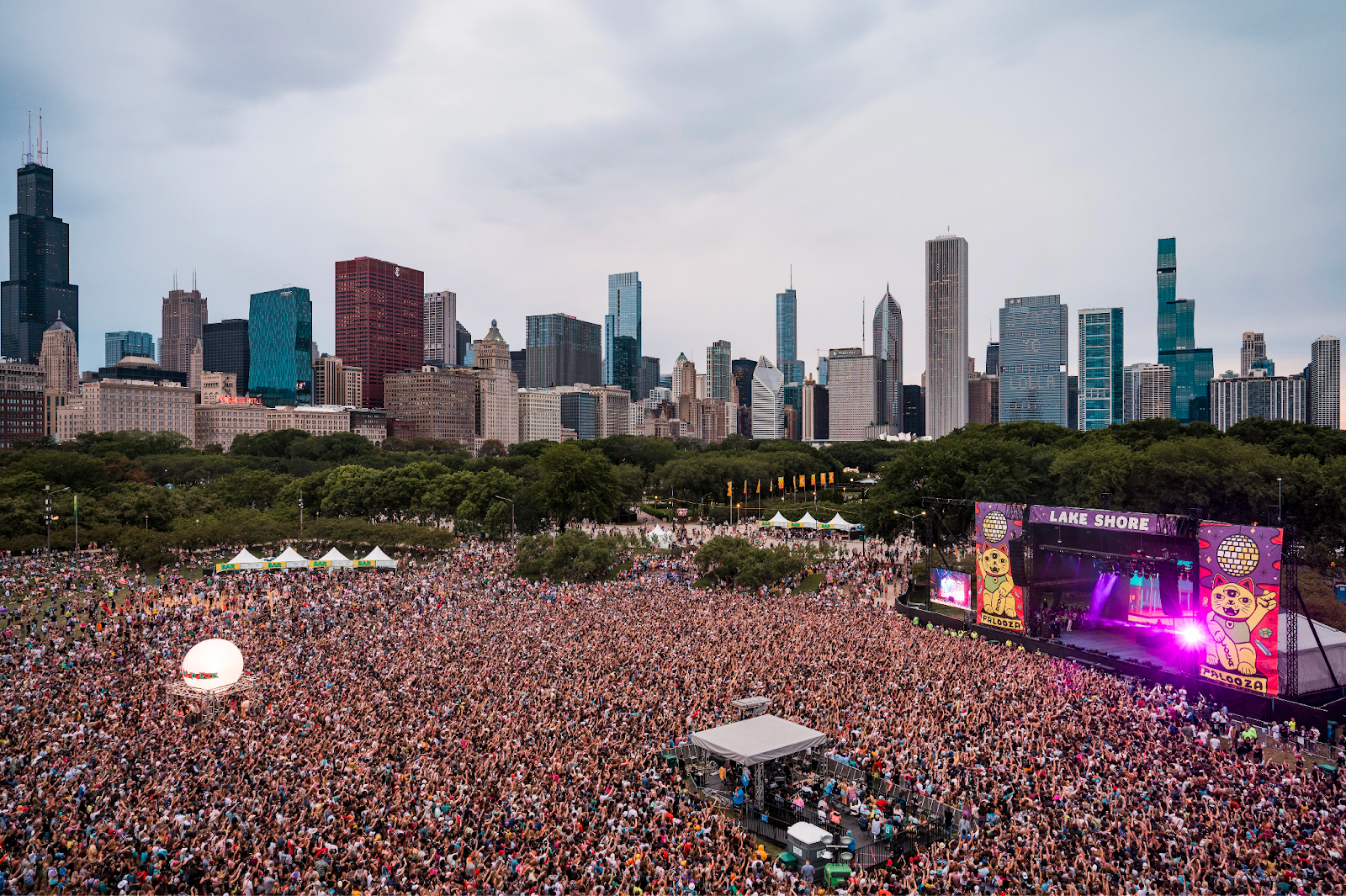
Lollapalooza has operated its Chicago edition in Grant Park since 2005, so its relationship with the city is part of the event's identity. Current festival materials describe year-round community work that goes well beyond a weekend sponsorship message.
According to Lollapalooza's community impact program, the festival has contributed more than $3.9 million to Chicago Public Schools arts education programs since 2021, supporting more than 100 schools and over 65,000 students. It has also funded the Grant Park tennis and pickleball court project and runs backstage education programs connected to festival careers.
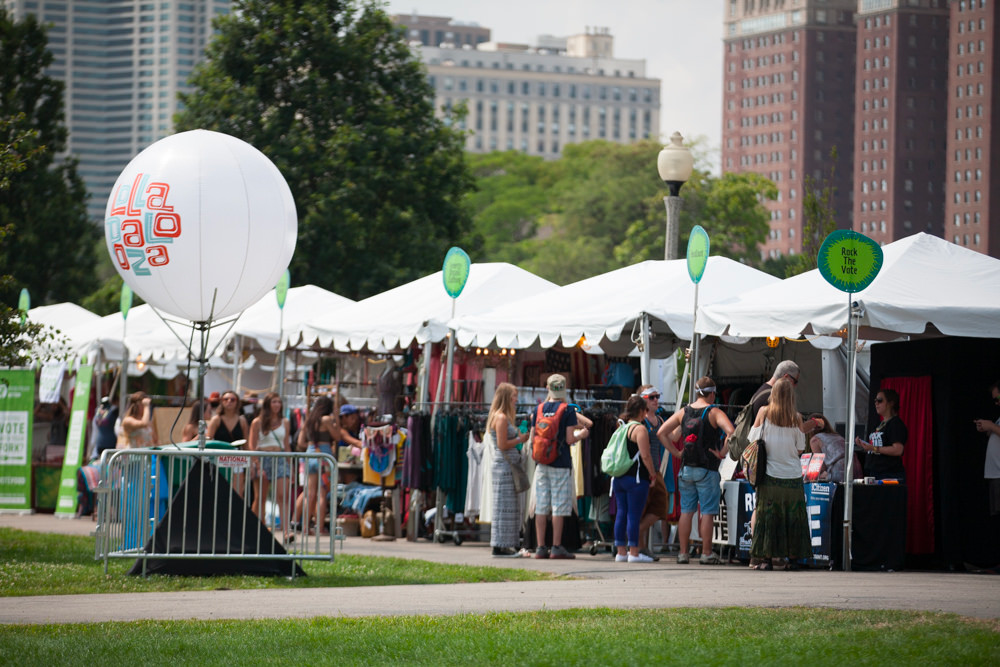
The festival's current sustainability program also includes recycling, composting, hydration stations, biodiesel, recovered construction materials, and work with Green Nation and REVERB. Those efforts are more relevant today than the older "Green Street" description that previously anchored this section.
For a major urban festival, community investment is not only a reputation exercise. The event depends on the city, public spaces, local institutions, vendors, workers, and residents around it. Treating that relationship as part of the operating model can strengthen the festival brand while giving the local impact more substance.
The On-Site Experience Is Part of the Marketing
Lollapalooza's physical environment is one of its strongest marketing assets. The Chicago edition brings more than 170 artists across eight stages to Grant Park, with food, sponsor activations, city views, and other experiences layered around the performances. The event itself generates the photographs, videos, recommendations, and memories that feed the next cycle of promotion.
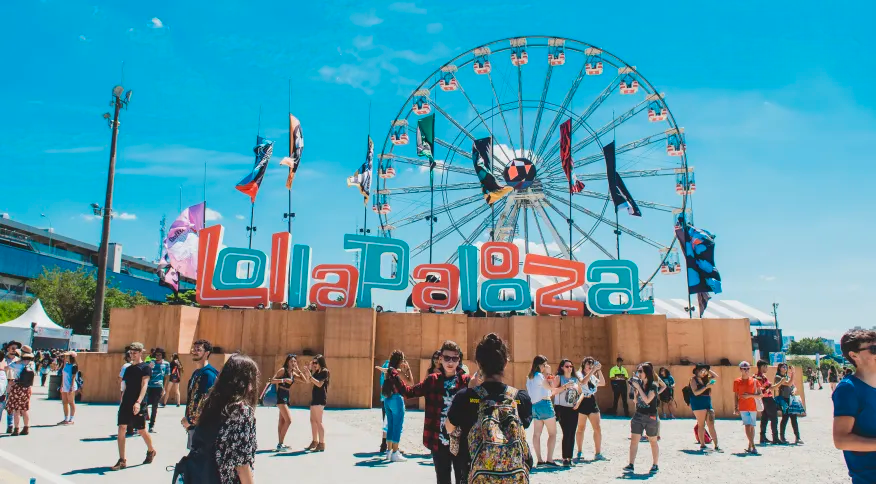
A consistent visual identity helps connect those touchpoints. Signage, digital graphics, merchandise, social posts, stages, and sponsor environments can change from year to year while still feeling like parts of the same festival world.
Digital Promotion Supports the Ticket Journey
The earlier article claimed that Lollapalooza used highly personalized ad targeting based on past attendance and online behaviour, but it did not provide evidence for that level of detail. What can be said more safely is that a festival of this scale benefits from coordinating organic content with paid digital promotion and clear ticket destinations.
That coordination matters because different audiences enter at different points. Some discover the festival through an artist announcement, some through creator content, some through search, and others through a returning-fan email. The marketing job is to keep the message consistent as those people move from awareness to lineup research, ticket consideration, practical planning, and finally the live event.
For event brands, the useful principle is to measure the full path rather than judging every channel by immediate ticket sales. Social reach, email clicks, ticket-page visits, repeat engagement, and post-event content can each support a different part of the relationship.
What Marketers Can Learn From Lollapalooza
Lollapalooza's marketing works as a system rather than a single campaign. Social content maintains attention, creator partnerships introduce the event through other communities, email supports conversion and planning, Chicago programs deepen the local relationship, and the festival experience itself creates material people want to share.
The transferable lesson is not to imitate a music festival's tactics one by one. It is to make each channel reinforce the same audience promise. When the content, identity, community role, and physical experience all point in the same direction, the brand becomes easier to recognize and easier to remember.
For Chicago organizations building event, entertainment, or consumer brands, Brand Vision's Chicago branding agency can help align strategy, identity, and digital touchpoints around a more coherent audience experience.



%2520(1).png)