Fortnite’s marketing strategy combines a free-to-play entry point, social gameplay, and collaborations that turn the game into an entertainment venue. Its 2020 events show how those elements can reinforce one another: players have something to attend, creators have something to share, and partners can become part of the experience. This article examines that period, with Ariana Grande’s later 2021 concert as a follow-on example, and considers the lessons for entertainment marketing.
In 2017, Epic Games debuted Fortnite as a cooperative survival game. Its breakthrough came with Battle Royale, a format built around 100 players competing to be the last player or team standing. Epic made Battle Royale free to play on September 26, 2017, while the original Save the World campaign remained paid Early Access at that time. That distinction matters: the free entry point belonged to a particular mode, not every Fortnite experience. The game’s vibrant, cartoonish graphics and competitive format gave it a recognizable identity, while removing the upfront purchase made it easier for friends to try it together.
During the COVID-19 pandemic, Fortnite offered a shared online space when many in-person activities were restricted. Its social nature allowed friends to connect through play, while regular updates and scheduled events gave them new experiences to explore from home. The free-to-play model reduced the cost of joining that shared activity. Rather than treating 2020 as the moment Fortnite suddenly became popular, it is more useful to see it as a period when an established game demonstrated its potential as a social entertainment platform. The marketing opportunity came from combining an existing community with experiences people could attend and discuss together.
Brand Collaborations: From Avengers to Ariana Grande
Fortnite’s collaborations extended beyond the gaming world. Crossovers with the Avengers, John Wick, and Star Wars brought familiar characters into its virtual environment. These partnerships gave existing players new material to explore and offered fans of other franchises a reason to try the game. The 2019 Avengers: Endgame crossover, for example, included themed items, challenges, and rewards. The partner was part of the activity rather than simply a logo beside it.
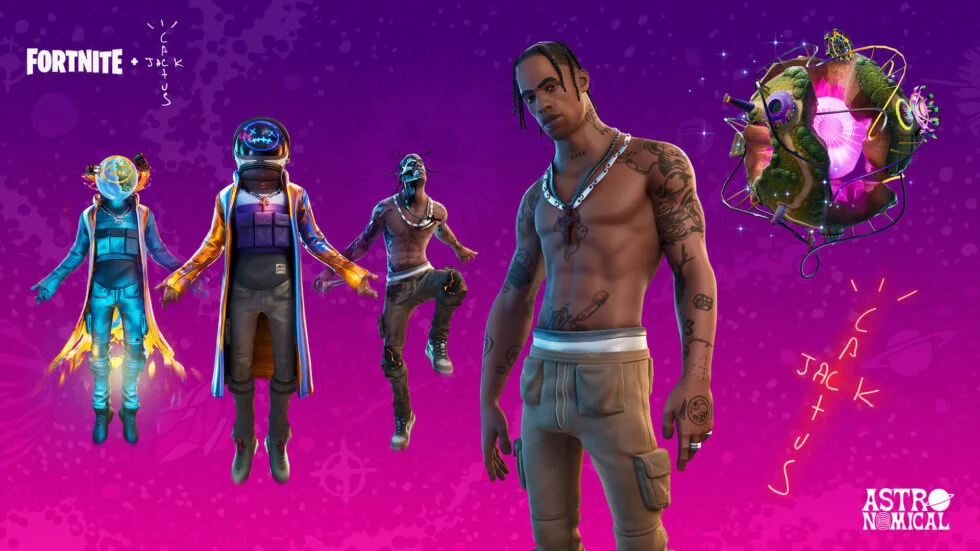
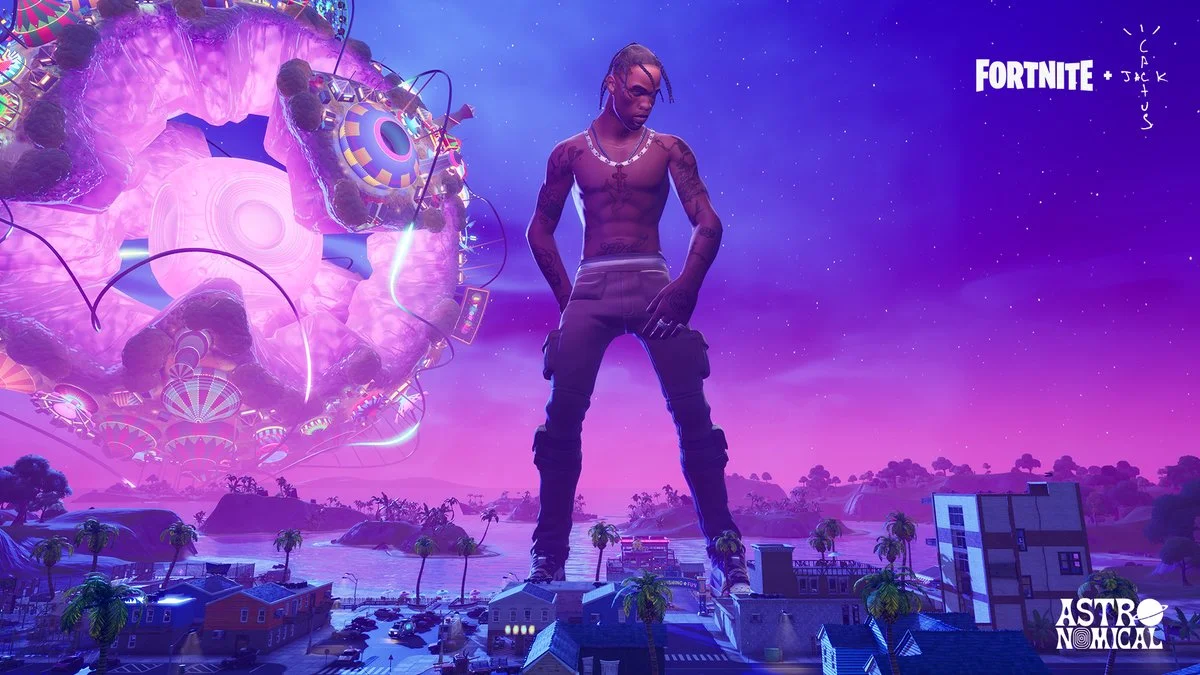
The collaboration with Travis Scott took that approach into music. Epic announced Astronomical in April 2020, turning Fortnite’s landscape into a virtual concert venue with a larger-than-life performer. The event showed how real-world entertainment could be adapted to a game rather than reproduced as a conventional stage performance. For marketers, the useful distinction is between borrowing a celebrity’s visibility and building an experience that fits both the performer and the audience.
Ariana Grande’s Rift Tour followed on August 6–8, 2021, not in 2020. Its five scheduled shows extended the shared-event model. Brand Vision’s analysis of Ariana Grande’s branding beyond music offers a related perspective on how an artist’s identity can connect different products, partnerships, and audiences.
Fortnite’s Marketing Strategy: Access, Community, and Recognition
Fortnite’s brand positioning connected competitive play with a recognizable, playful world. Its audience was not defined by one narrow age range or one interest. Some players came for competition, others for friends, creators, or crossover events. Offering Battle Royale for free helped those motivations coexist by lowering the barrier to participation. For technology and SaaS businesses considering a similar acquisition model, technology marketing also needs to connect the first trial with a clear reason to keep using the product.
Word of mouth and live-streaming communities helped Fortnite’s experiences travel beyond the game itself. A player could participate while another person watched a creator’s stream, making the event visible to more than its in-game audience. The Galactus event illustrates the scale: Disney later reported more than 15.3 million concurrent players, as covered by the Associated Press. Concurrent attendance is an event measure, however, not a daily active-user figure or proof that every viewer became a lasting customer.
Fortnite’s flexibility also made pop-culture collaborations feel at home in its world. John Wick’s appearance and Star Wars elements such as lightsabers connected familiar stories with playable experiences. The lesson is not that any famous character will improve engagement. A collaboration needs a role in the product, a reason for the audience to care, and a clear way to participate. For businesses adapting this approach to a digital campaign, user experience design helps connect the promise in the promotion with the actions visitors can actually take.
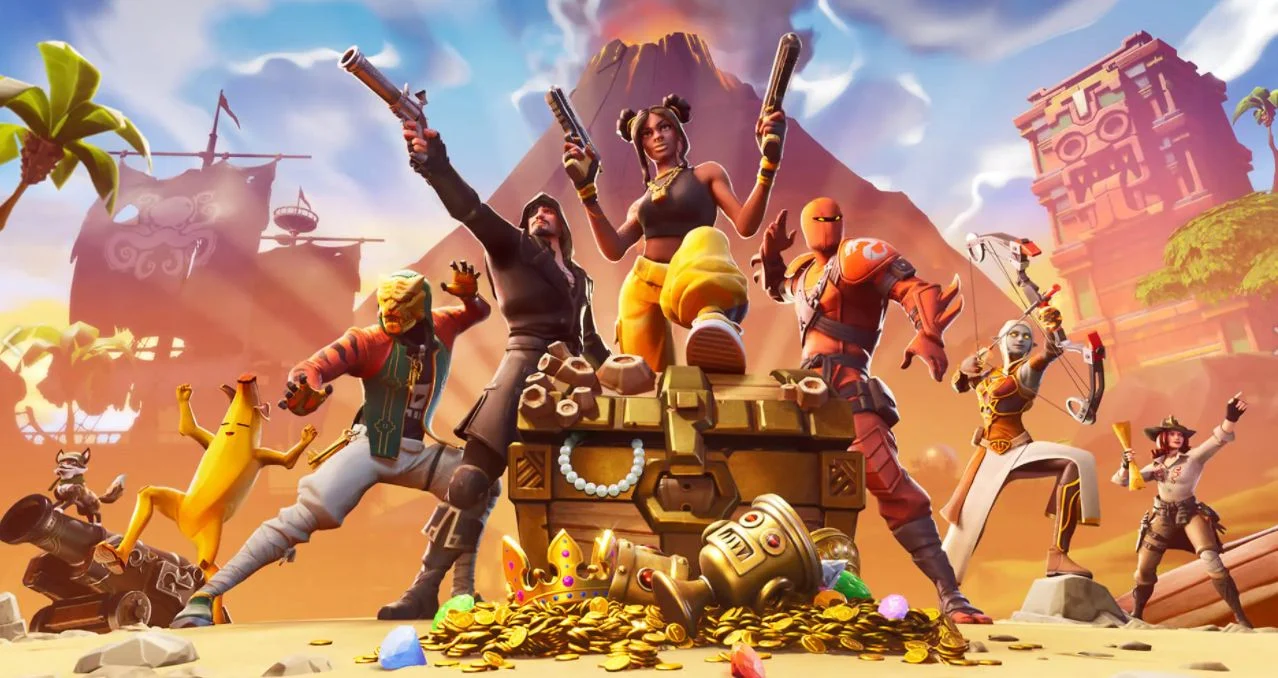
Regular updates supported that ongoing relationship. Changes to the map, new skins, emotes, and game modes gave returning players fresh material to explore. The game’s colourful visual identity also helped different events remain recognizable as Fortnite. Colour alone cannot guarantee retention, but a coherent visual system can hold varied characters and themes together. The combination matters more than any isolated tactic: recognizable presentation creates continuity, while new experiences give the community something to discuss.
Monetization: In-Game Purchases and Revenue Streams
Fortnite’s Battle Royale model separated free participation from optional spending. V-Bucks allowed players to purchase cosmetic items such as skins and emotes, as well as Battle Passes offering progression and rewards. Epic’s launch announcement stated that it would not sell items giving players a competitive advantage. Cosmetic self-expression therefore became an important part of the offer: players could change how they appeared without making payment a requirement to enter a match.
Premium Battle Passes, limited-time offers, and special items connected spending with the game’s changing content. A contemporary Nielsen estimate reported by Axios put Fortnite’s 2019 revenue at $1.8 billion. That is a dated third-party estimate, not a current revenue measure. The broader lesson for consumer marketing is to distinguish the value that brings people in from the additional value they may choose to buy. Scarcity can attract attention, but it does not replace clear pricing or a worthwhile product.
Challenges: Player Trust and Platform Dependence
Community engagement requires more than a schedule of new events. Player feedback, clear communication, and a reliable experience all matter when people invest time and money in a shared platform. The same principle applies to smaller communities: listening should help a business identify friction and improve the experience, not just produce more promotional messages. Our guide to community marketing on Discord explores that ongoing relationship outside a game-led campaign.
Fortnite also faced challenges that marketing alone could not resolve. Epic’s 2020 account of its Apple and Google disputes documents how app-store restrictions affected access to the game. Later, in December 2022, the FTC announced settlements over allegations involving children’s privacy and unwanted purchases. These developments are reminders that audience growth should be evaluated alongside privacy, purchase clarity, and dependence on distribution platforms, rather than presented as uncomplicated proof of success.
What Marketers Can Learn from Fortnite
The case study underscores the importance of audience understanding, adaptability, and continuous engagement. Fortnite combined an accessible product with recognizable creative and events that people could experience together. Businesses do not need a virtual concert to apply the principle. Start with a useful offer, choose partners whose audiences genuinely fit, and give customers a reason to return after the initial campaign. Measure repeat participation as well as launch-day attention.
For help connecting those decisions to your own brand, Brand Vision offers a marketing consultation to review your audience, channels, and priorities.

.avif)