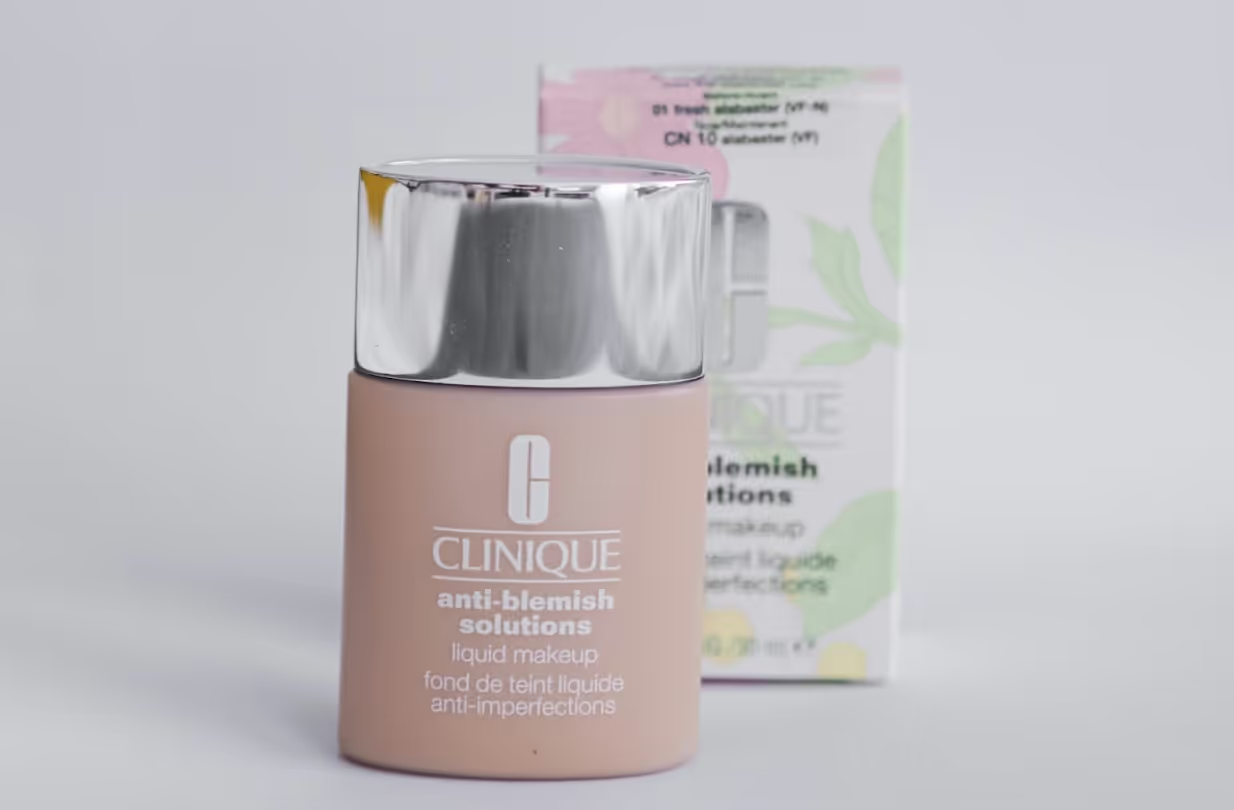
Clinique has been part of the Estée Lauder Companies since its 1968 launch. The brand built its identity around dermatologist-developed skincare, allergy testing and fragrance-free formulas. Its Three-Step Skincare System remains a useful example of how a clear routine can organize a broad portfolio that now includes makeup and fragrance. This article examines Clinique's marketing mix, education, retail experience and digital channels for ideas other brands can adapt.
Clinique's marketing draws on its history while also using digital channels. A 1967 Vogue article by beauty editor Carol Phillips helped inspire the line; dermatologist Norman Orentreich developed the original formulas, Leonard Lauder led its creation, and Evelyn Lauder supplied the name. Introduced in 1968, the Three-Step Skincare System gives customers a simple sequence: cleanse, exfoliate and moisturize. Clinique describes its formulas as allergy-tested and fragrance-free, claims that should be read as the brand's formulation approach rather than a guarantee for every user. See the Estée Lauder Companies' account of the launch.
For founders and marketers, the useful question is how Clinique turns that product story into choices across content, distribution and customer experience. Its approach offers practical lessons without requiring another business to copy the beauty category.

Clinique's dermatologist-developed positioning is a distinctive part of its product story. The brand connects that positioning to education about routines, product use and common skin concerns, giving customers more context before they choose a product. Its formulation philosophy explains its allergy-testing and fragrance-free standards. Those standards support a clear message, but they do not mean that every product will suit every skin type.
Through its counters and online platforms, Clinique offers consultations and product guidance for different skin concerns. Its Clinical Reality experience uses a digital skin scan to suggest a routine. The strategic value is guided choice: customers can narrow a large product range without treating the recommendation as a medical diagnosis.
Engaging Social Media Presence
Clinique uses social channels including Instagram and TikTok to share product demonstrations, routines and campaign content. Interactive posts and community participation give customers a way to see how products fit into everyday use, while keeping the brand's educational voice visible between launches.
Clinique also works with beauty and skincare influencers. Personal testimonials and product endorsements are hallmarks of these relationships, which can make products easier to understand for different audiences. Its work with Emilia Clarke, announced as a global brand ambassador in January 2020, connected a recognizable personality to the Clinique iD collection through the #iDYourself social campaign. The useful tactic is to choose creators whose demonstrations answer real customer questions and whose style fits the brand.
Clinique's Marketing 4Ps
Clinique's marketing mix, comprising product, price, promotion, and place strategies, is a testament to the brand's holistic approach to capturing and retaining customer interest. Looking at those four choices together shows how the same product promise appears across the buying journey.
Product. Clinique's first collection came from a collaboration involving Vogue beauty editor Carol Phillips, dermatologist Norman Orentreich and the Lauder family. The brand's fragrance-free skincare, makeup and fragrance ranges give customers several entry points. It has also experimented with newer formats, including the virtual Clinique Lab launched in 2023. The core product message remains its stated formulation and testing standards, rather than a promise of universal results.
Price. Clinique presents its products as prestige beauty, supported by its department-store heritage and consultation-led shopping experience. Price communicates that position alongside packaging, retail service and product information. Whether a particular formula represents good value still depends on the customer's needs and alternatives; the marketing lesson is to make the reason for the price clear.
Promotion. Clinique's promotional strategies are diverse, ranging from traditional advertising and digital marketing to influencer collaborations and social media campaigns. These formats introduce products in different ways, while recurring references to routines and skin concerns help connect a campaign to the broader brand story.
Place. Clinique products are sold through department-store counters, specialty beauty retailers, its own website and selected third-party platforms. That channel mix gives customers several ways to discover a product, ask questions and purchase it; each channel needs consistent product information.
Retail Experience
Clinique has used pop-ups and shop-in-shops to make its product story tangible. The Clinique iD pop-up in New York's SoHo in 2019 invited shoppers to explore personalized moisturizer choices. The Clinique Lab at Macy's Herald Square, opened in 2022, extended this hands-on approach. Digital tools such as Clinical Reality can help suggest products, while staff and product information remain part of the retail experience. These endeavours were about more than just selling products; they were about creating immersive experiences that educate consumers and offer personalized skincare solutions.

By providing free samples and trial sizes, Clinique invites consumers to experience its products firsthand. Sampling gives shoppers a way to test a texture or shade before committing to a full-size purchase and can support discovery across Clinique's range. Its effect on loyalty or sales depends on the product and the customer experience that follows.
Target Audience
Clinique serves customers with different routines and skin concerns. Its range includes moisturizers, makeup and a dedicated Clinique for Men line. The brand's product categories, guided consultations and routine-based education let shoppers enter through a concern or use case. This is a more useful view of segmentation than assuming all customers share the same gender, age or reason to buy.
Advertising Strategy

Clinique's promotion includes contests, seasonal activations and social campaigns. Clinique Canada ran a National Lash Day sweepstakes in 2024, while the UK Game Face programme supported women's and girls' rugby clubs. Instagram, TikTok and YouTube offer further places to show products and routines. The format changes with the occasion, but each activation gives people a reason to engage with a particular product or story.
The brand has adopted a conversational tone, focusing on creating content that resonates with its audience without overtly pushing sales. Tutorials and routine guidance can answer questions before a customer shops. The brand's phrase “just happy skin” fits that approachable tone and connects its educational posts to a familiar identity.
The Queen Me campaign appeared for Black History Month in February 2023. Created with Blacktag, it highlighted three Black women and their perspectives on beauty and self-expression. The collaboration gave specific people and stories space within Clinique's broader brand.
Clinique has also tried different campaign formats. #StartBetter invited people to share aspirations; the 2020 #ZitHappens TikTok campaign addressed acne and skin positivity. Clinique Pop lip-colour retail activations in 2015 invited shoppers to explore shades in person. Together, these examples show how Clinique has adapted participation to the product and channel.
Clinique's SEO Strategies
Clinique's SEO strategies matter because shoppers often begin with a skin concern or product question. Clear category pages, product details and educational content can help them find the right information through organic search. A routine guide can lead to the relevant product range, while detailed product pages answer questions about use, ingredients and shade or skin-type fit. The brand's website presents its range and supports direct purchase, while selected third-party marketplaces add other routes to buy.
Clinique's Challenges
Clinique's long history creates a communication challenge: the brand must keep its familiar product promise understandable in channels where shoppers encounter many newer beauty labels. Campaigns and creator content can introduce its routines to people who may never have visited a department-store counter. The task ahead involves adapting the way this message is communicated to resonate with today's audience, making it more engaging, relevant, and modern. Its presence in specialty retail and online shopping gives customers more ways to encounter that story.
The 2024 Amazon Launch

In March 2024, Clinique's recent venture into the Amazon added a U.S. marketplace sales channel; it was not the brand's first move into online retail. The storefront offered products including Moisture Surge and introduced a Skin Analysis Tool, an interactive questionnaire that recommends products for a customer's stated concerns. The example shows how a third-party marketplace can carry both product listings and a guided selection experience.
The Estée Lauder Companies' March 2024 announcement also outlined plans for other brands to open Amazon storefronts. For Clinique, the channel decision put product information and a recommendation flow where some customers already shop. It also added a new setting in which the brand's education-led approach could appear beside the product range.
What Other Brands Can Learn from Clinique
Clinique makes trust feel tangible. It pairs a clear product promise with education, personalization, and distribution that meets people where they already shop. If you want to borrow what works without copying the category, focus on the mechanics behind the message.
- Make the promise consistent. Clinique repeats its formulation and routine story across product pages, content and retail. If your own promise is unclear across messaging and experience, a branding agency can help define the work. An end-to-end branding process should then carry it through the customer journey.
- Let education answer real questions. Clinique explains routines and product choices before asking for a purchase. Build a search-led content hub that answers the questions your customers are already asking, then connect it to conversion paths and on-site UX.
- Personalization does not need to be complicated. Clinique's consultations and product recommendations are essentially guided decision making. For most businesses, this can start with smarter navigation, quizzes, and segmented landing pages built by a UI UX design agency.
- Be easy to buy from everywhere. Clinique is available across retail and digital channels. If your website still acts like a brochure, web design services can clarify mobile navigation, product or service information, and purchase or booking routes.
- Audit what is working before you add more. Clinique has adapted its presentation while retaining a recognizable core. If you need to decide which part of your own brand, site or channel mix to improve first, Brand Vision's marketing consultation can help scope the next step.