

Planet Fitness’s marketing strategy is built around one unusually clear promise: fitness should feel affordable, approachable, and non-intimidating. The company has used that position to reach people who may not identify as serious gym users, then reinforced it through pricing, club design, franchising, celebrity campaigns, digital tools, and community programs.
That makes Planet Fitness a useful health and wellness marketing case study. As of June 30, 2026, the company reported about 21.5 million members and 2,930 clubs across the U.S., Canada, Mexico, Panama, Australia, and Spain. Roughly 90% of those clubs are independently owned and operated, so the brand has to stay recognizable across a very large franchise network. Planet Fitness disclosed those figures in its second-quarter 2026 results.

The Judgement Free Zone Defines the Positioning
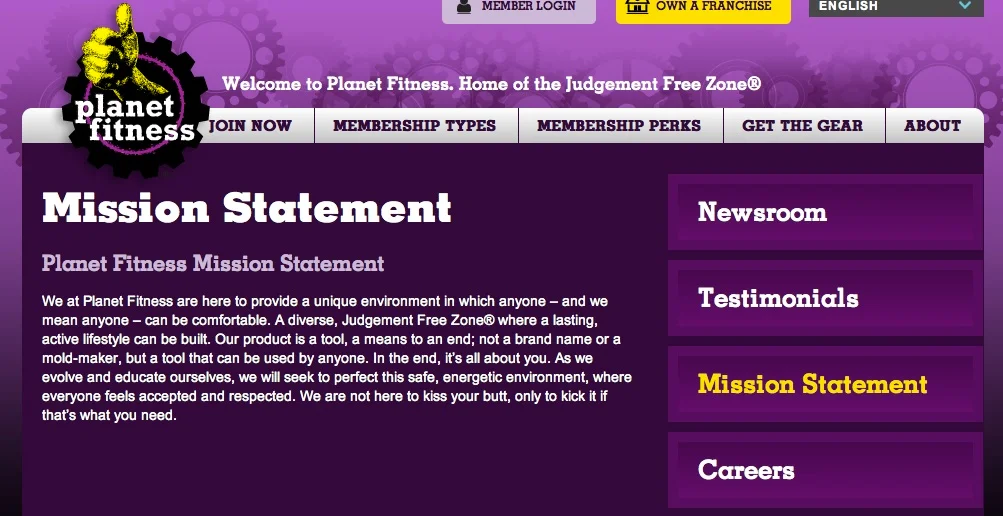
The strongest part of Planet Fitness’s brand strategy is the consistency of its “Judgement Free Zone” positioning. Rather than competing primarily on advanced programming or exclusivity, the company emphasizes a welcoming environment for people who may feel uncomfortable in traditional gyms.
That positioning affects the customer experience. Planet Fitness describes its clubs as welcoming and non-intimidating, with cardio and strength equipment, staff trainers, and straightforward membership options. The company’s Classic membership currently begins at $15 per month, while PF Black Card memberships begin at $24.99, with pricing and fees varying by location. Planet Fitness publishes the current starting prices and membership differences.
Price matters because affordability supports the positioning rather than sitting beside it. A low entry price reduces one barrier, while the brand promise addresses another: intimidation. Together, those choices make the offer easier to understand for casual, first-time, or returning gym users.
Customer Service and the In-Club Experience Support the Promise
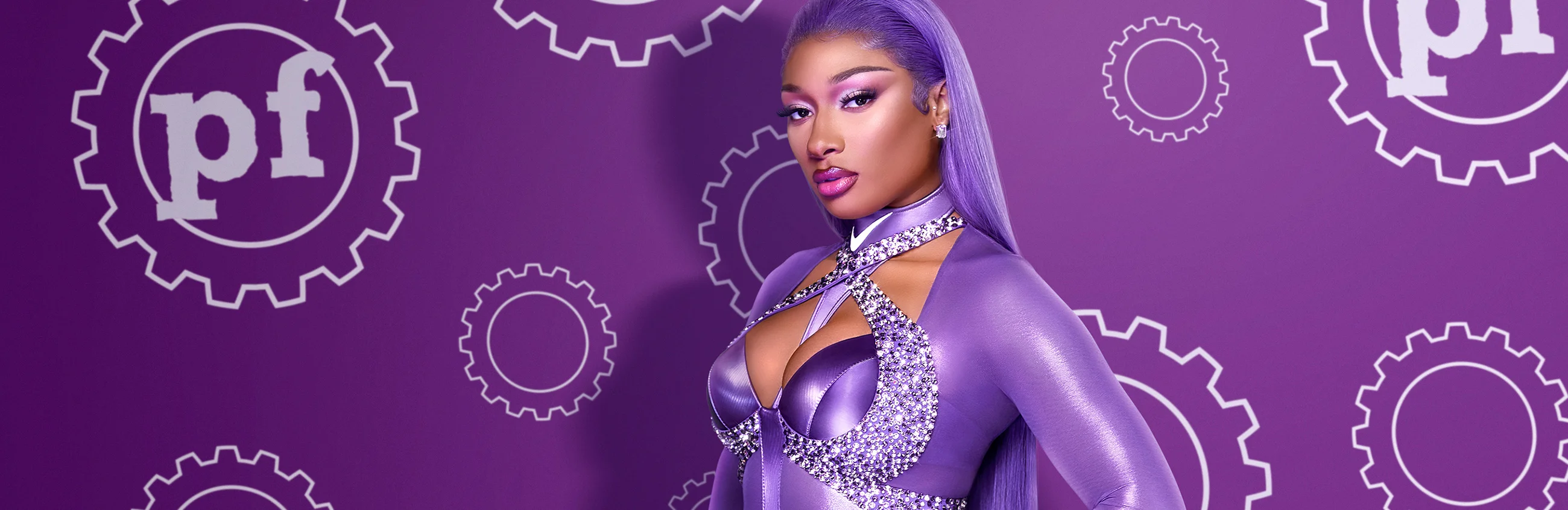
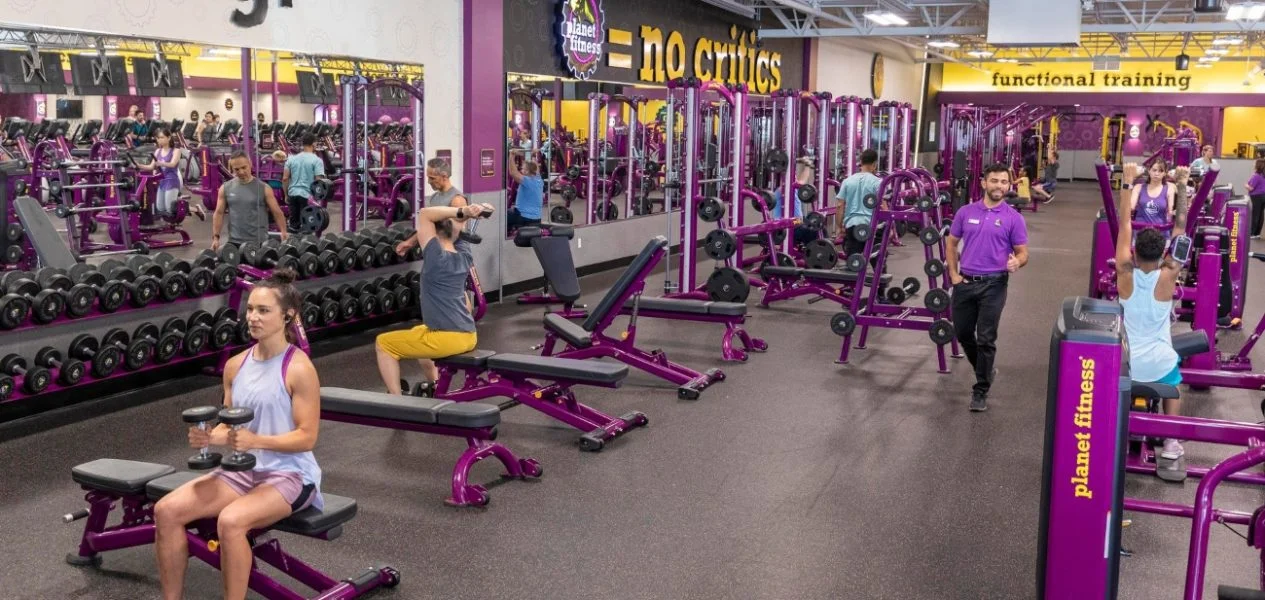
The Judgement Free positioning would be weak if the club experience contradicted it. Planet Fitness therefore emphasizes friendly staff, clean facilities, straightforward equipment access, and free fitness instruction through its PE@PF program. Those elements are operational details, but they also function as marketing because they determine whether new or inexperienced members feel the brand promise after joining.
The company’s current leadership also needs to be stated accurately. Chris Rondeau helped build Planet Fitness as co-founder and former chief executive, but he is no longer CEO. Colleen Keating joined as CEO in 2024. That matters in a current marketing analysis because the company has been changing club layouts, equipment, digital tools, pricing tests, and brand presentation under a new leadership team rather than simply repeating the model that existed when this article was first published.
The wider member experience also includes PF Black Card amenities at participating clubs, such as massage and recovery features, plus access to all Planet Fitness clubs worldwide. These benefits give the company a way to maintain an entry-level membership while creating a higher-value tier for members who want more convenience and amenities.
The Franchise Model Turns Positioning Into a Repeatable System
Planet Fitness has expanded primarily through franchising. That model lets independent operators open clubs while the parent company protects a shared brand, membership structure, equipment standards, marketing system, and operating experience. The advantage is scale. The challenge is making thousands of locations feel related enough that customers know what to expect.
The company’s investor materials say approximately 90% of Planet Fitness clubs are independently owned and operated. That makes consistency especially important. Signage, equipment, pricing architecture, club layout, staff behaviour, app features, and campaign language all contribute to whether the franchise system feels like one brand rather than a collection of unrelated gyms.
Planet Fitness has also been adjusting the club experience. In 2026 the company said it had expanded strength equipment, refined floor layouts, and introduced additional Black Card Spa amenities such as red-light recovery. Those updates show that a value-positioned brand can evolve the product without abandoning the promise that made it distinctive.
Franchising also changes the marketing challenge. National campaigns can establish the promise, but each location has to deliver it locally. A franchisee’s staffing, cleanliness, equipment availability, hours, reviews, and customer service all affect the same brand. This is why a multi-location company needs both central standards and enough local flexibility to respond to the market around each club.
Celebrity Campaigns Make the Positioning More Entertaining
Planet Fitness has repeatedly used celebrities to make an accessible fitness message more culturally visible. The 2022 Super Bowl commercial featuring Lindsay Lohan was called “What’s Gotten Into Lindsay?” rather than the “Reclaim Your Fitness” campaign previously described in this article. The spot used humour and Lohan’s public image to dramatize the idea that joining Planet Fitness could be part of a positive lifestyle change. iSpot documents the Super Bowl campaign and title.
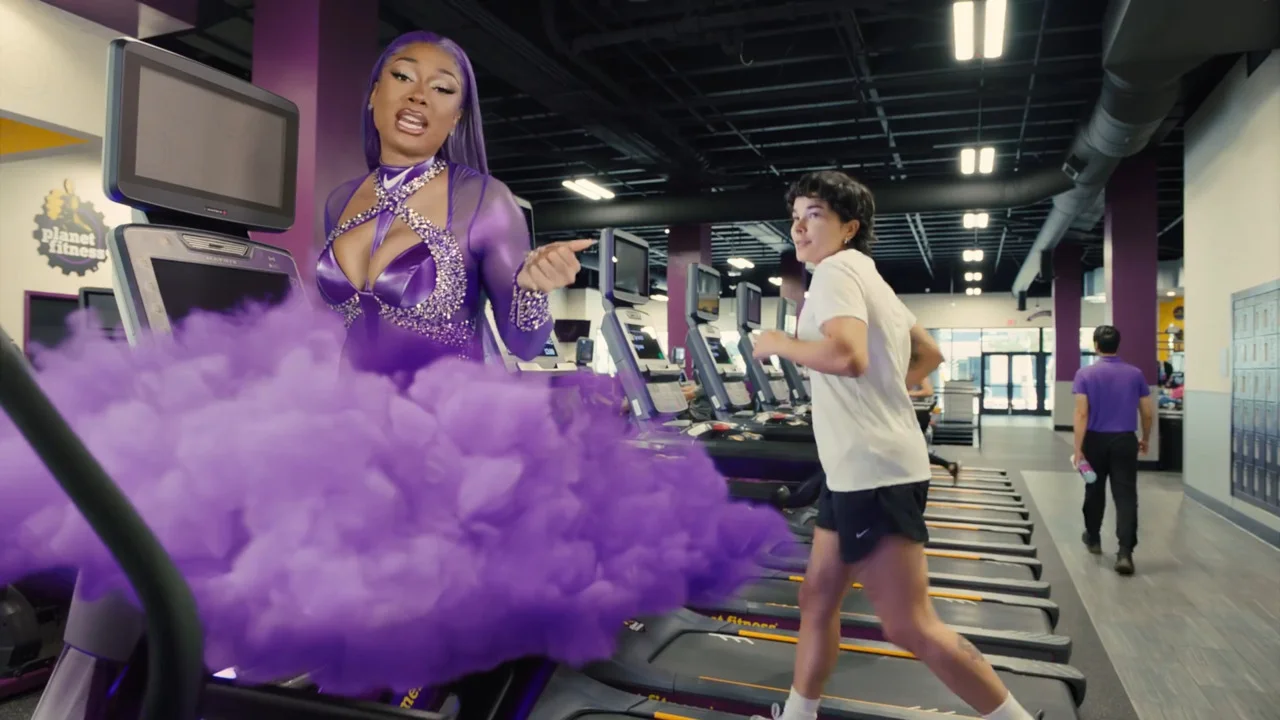
The approach continued with Megan Thee Stallion. In late 2023, Planet Fitness launched a campaign that positioned her as “Mother Fitness” and introduced the “Big Fitness Energy” platform. The collaboration included advertising, social content, an AR filter, co-branded merchandise, and in-app workouts. Planet Fitness said the campaign was designed around breaking down intimidation and high-price barriers while connecting music, movement, and body positivity. The company’s launch announcement details the partnership.
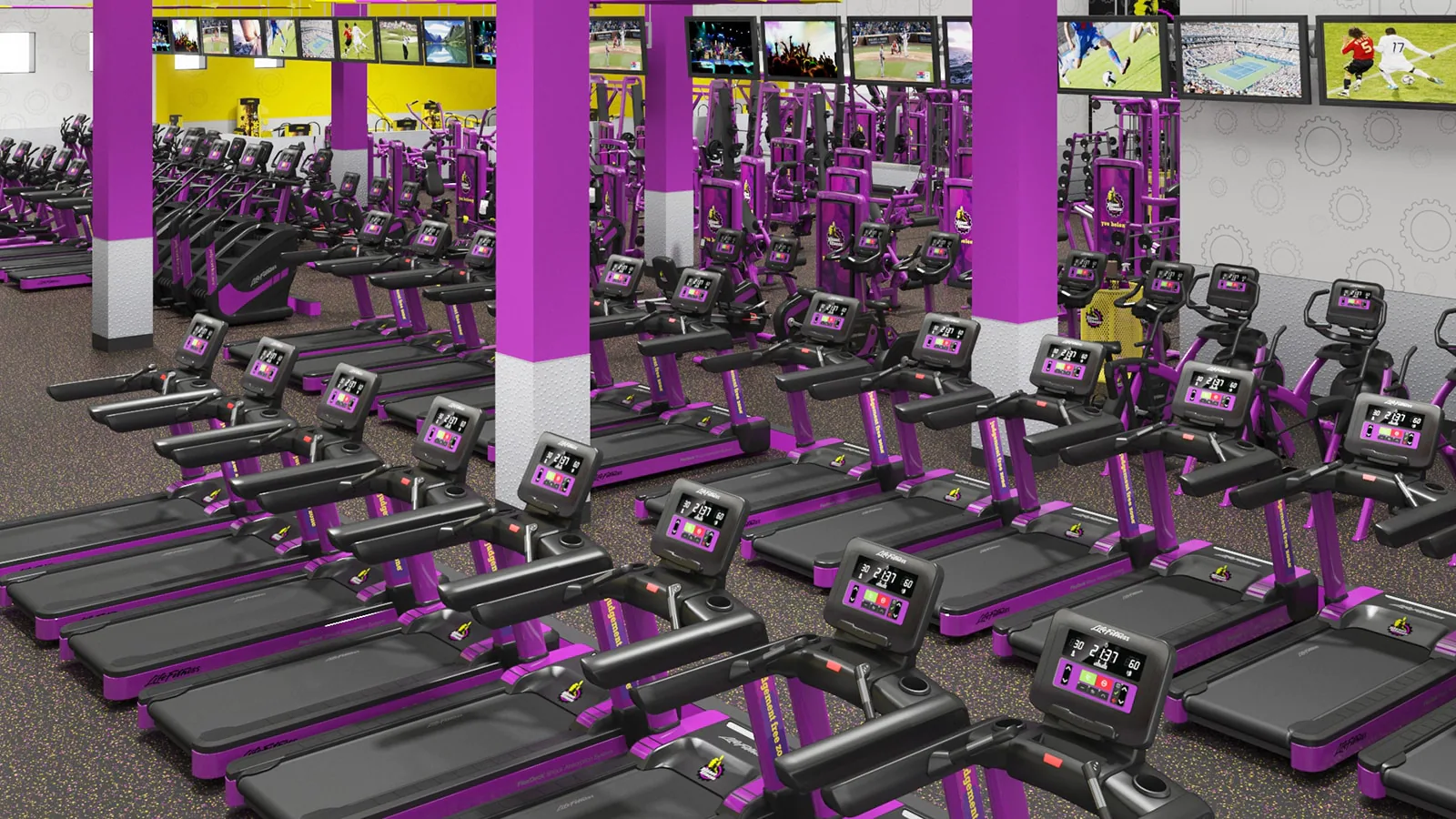
These campaigns work when the celebrity is used to reinforce the existing brand idea. The person provides attention and entertainment, but the message still returns to the same positioning: Planet Fitness is meant to feel less intimidating than a stereotypical gym.
Planet Fitness also uses national events and partnerships to keep the brand visible outside conventional fitness advertising. Its long-running Times Square New Year’s Eve sponsorship connects the company to the moment when many consumers are thinking about fitness goals, while the Megan Thee Stallion partnership extended that seasonal attention into music, merchandise, social content, and app workouts. The channel mix changes, but the same accessible positioning stays underneath it.
The Brand Targets People Beyond Traditional Gym Enthusiasts
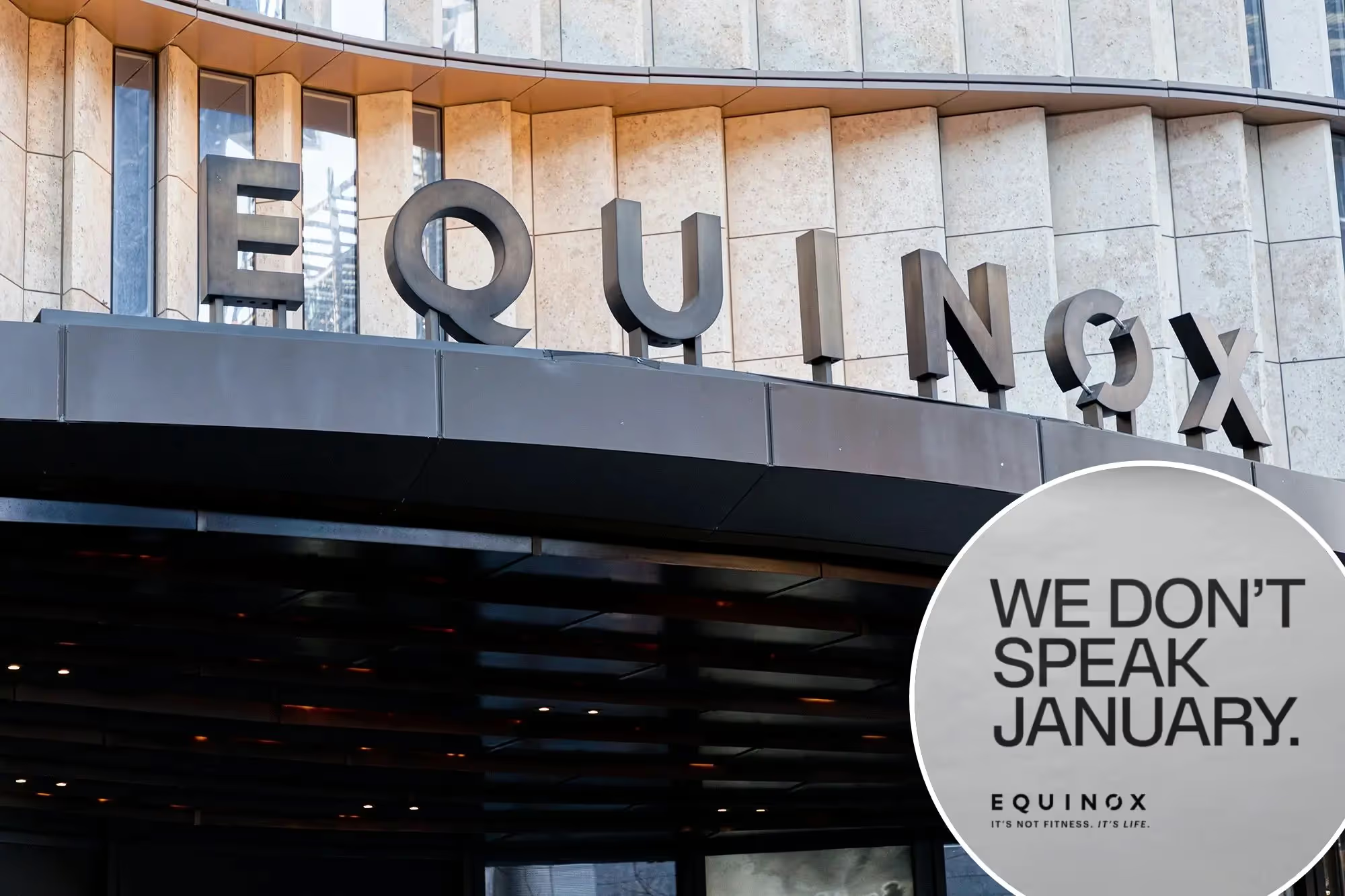
Planet Fitness’s customer strategy is broader than targeting people who already train regularly. Its investor materials explicitly describe occasional gym users and people who find traditional fitness clubs intimidating or expensive as important audiences. That is a different approach from premium brands such as Equinox, which use exclusivity and aspiration as part of the value proposition.
The company’s High School Summer Pass program is another example of audience development. In 2026, Planet Fitness said approximately 3.7 million teens ages 14 to 19 participated and logged more than 19.4 million workouts over the summer. The program gives teens free access during the summer and creates a relationship with younger consumers before they become paying adult members. Planet Fitness published the 2026 participation figures.
This is a strong consumer marketing tactic because it combines community value with future customer acquisition. The program can build familiarity with the brand while supporting the broader promise that fitness should be accessible to more people.
Digital Tools Extend the Member Experience
The Planet Fitness app gives members and prospects another way to interact with the brand outside the gym. Earlier versions offered on-demand workouts and activity tracking. In September 2026, Planet Fitness announced another major app update with redesigned profiles, equipment-aligned tracking for weights, reps, and sets, wellness-platform syncing, and an upgraded real-time Crowd Meter.
This makes the app part of the member journey rather than simply a digital add-on. Strong web design and app design can support joining, club discovery, workout planning, referrals, and ongoing engagement. The digital experience has to remain as easy to understand as the physical club if the brand wants the same approachable promise to carry across channels.
The referral program adds another layer. Planet Fitness currently allows eligible members to earn free months when referred friends join through the PF App. That turns an existing member relationship into a measurable acquisition path rather than relying only on mass media. Referral incentives work best when the member experience is already strong enough that customers are comfortable recommending it.
The 2026 Visual Identity Refresh Modernizes a Familiar Brand
Planet Fitness also refreshed its visual identity in September 2026. The company kept the familiar gear concept and purple-and-yellow palette but introduced an evolved logo, a custom typeface, and updated colour treatment. Planet Fitness said the work was informed by member feedback and designed to function more consistently across traditional and digital marketing.
The refresh is useful because it shows how a mature brand can update presentation without discarding the positioning customers already recognize. The “Judgement Free” promise remains central even as the visual system, app, equipment mix, and club layout evolve.
Planet Fitness is also still refining how it communicates the brand. In its second-quarter 2026 results, CEO Colleen Keating said the company was working to communicate its welcoming, non-intimidating environment more clearly while developing a new marketing campaign for a broader audience. That context is important: the 2026 identity refresh is not just cosmetic. It sits inside a wider effort to update the member experience and reignite sustainable member growth.
Local Reach Matters in a Multi-Location Fitness Business
A gym is inherently local. Customers usually need a convenient location, accurate hours, current amenities, and clear membership information before they consider the wider brand. With nearly 3,000 clubs, Planet Fitness has to balance national marketing with location-level discovery.
That makes local SEO relevant to the model. Multi-location businesses need consistent business information, useful location pages, accurate map listings, reviews, and clear local landing experiences rather than relying only on national brand awareness.
The same principle applies to regional branding support. A Dallas fitness operator choosing a Dallas branding partner needs more than a logo. The brand system has to work across storefront signage, memberships, local search, promotions, social media, and the in-club experience while still leaving room for neighbourhood-level communication.
What Marketers Can Learn From Planet Fitness
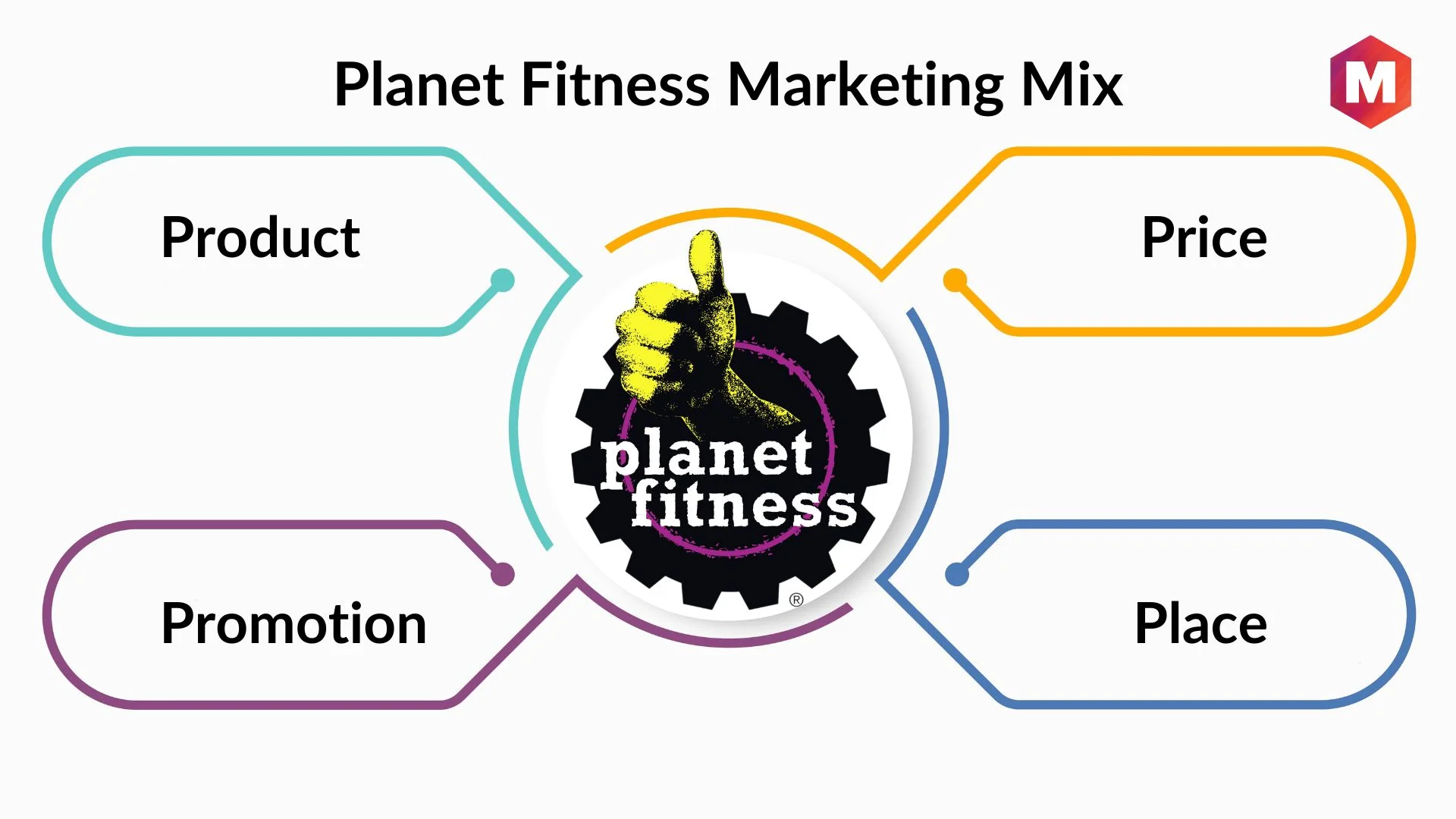
Planet Fitness’s marketing strategy is effective because the business model and message support each other. Affordable memberships make the accessibility promise credible. The franchise system creates reach. Celebrity campaigns make the positioning entertaining. The app extends the member experience. Community programs introduce the brand to new audiences. The 2026 identity refresh keeps the presentation current without abandoning the familiar promise.
The strongest lesson is focus. Planet Fitness does not need to persuade everyone that it is the most advanced gym. It needs to remain the obvious choice for people who value affordability, convenience, and a less intimidating environment. That clarity helps the brand make decisions across pricing, facilities, media, partnerships, and digital products.
If your business is trying to align positioning, local visibility, website experience, and campaigns across multiple locations, contact Brand Vision to discuss where the customer journey needs the most work.


.avif)






