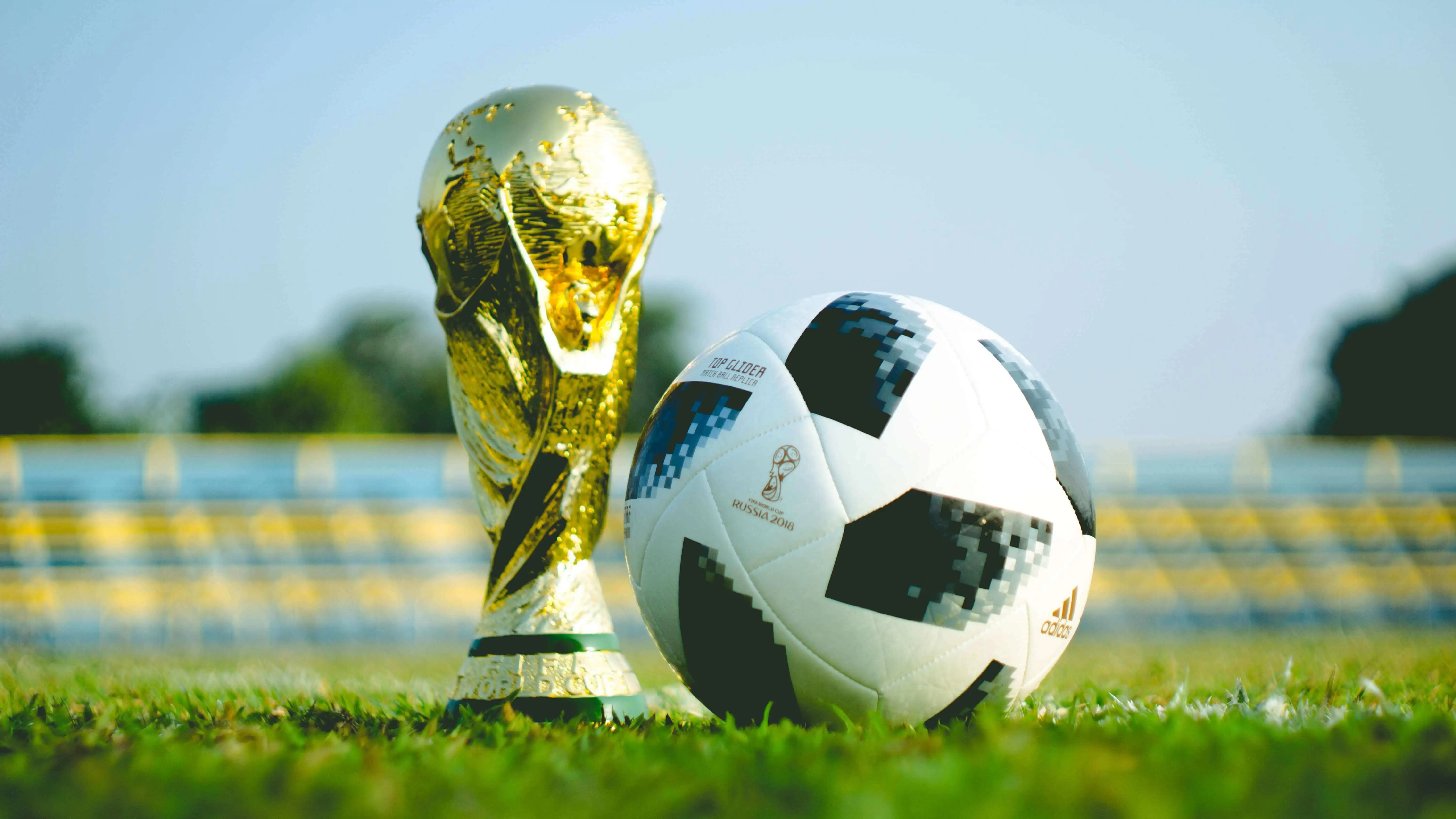
The FIFA Women’s World Cup Australia & New Zealand 2023 ran from 20 July to 20 August 2023 and became a useful case study in how a major sporting event can connect tournament branding, sponsorship, digital content, social causes, and long-term participation goals. The first 32-team FIFA Women’s World Cup was also the first edition co-hosted across two confederations. Its marketing did more than promote fixtures. It built a recognizable event world around the idea of “Beyond Greatness” and used entertainment marketing to turn the competition into a broader cultural moment.
The Rise of Women’s Football
The 2023 tournament arrived at a point when women’s football was gaining larger audiences, stronger domestic competitions, more commercial investment, and greater visibility for elite players. The expanded 32-team format also created room for eight World Cup debutants, giving more nations a place in the tournament story and widening the range of audiences represented on the global stage.
The event ultimately exceeded its original ticket targets. FIFA reported more than 1.8 million tickets sold and close to two million match attendees, while host-country matches set new football attendance and television records. Those results matter from a marketing perspective because they show that interest was not confined to pre-event projections. The audience materialized in stadiums, broadcasts, and digital channels.
Why the FIFA Women’s World Cup 2023 Mattered
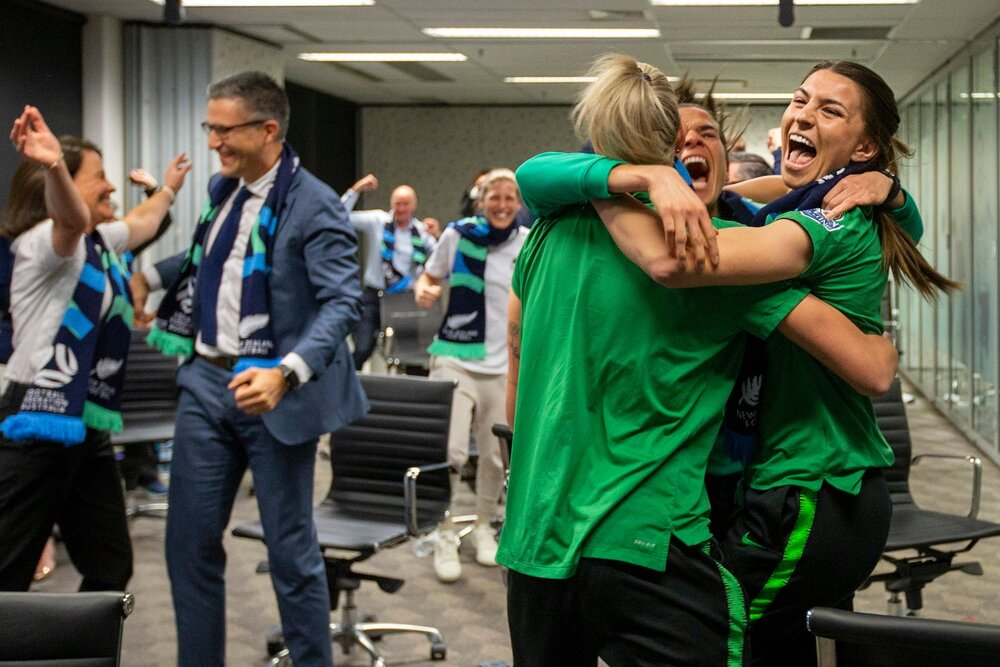
Before the tournament, much of the discussion focused on whether the event could set new benchmarks for women’s sport. By the end, FIFA’s own tournament recap described a World Cup of firsts, with record attendance, strong host-country broadcast audiences, and a commercial result of USD 570 million that allowed the tournament to break even.
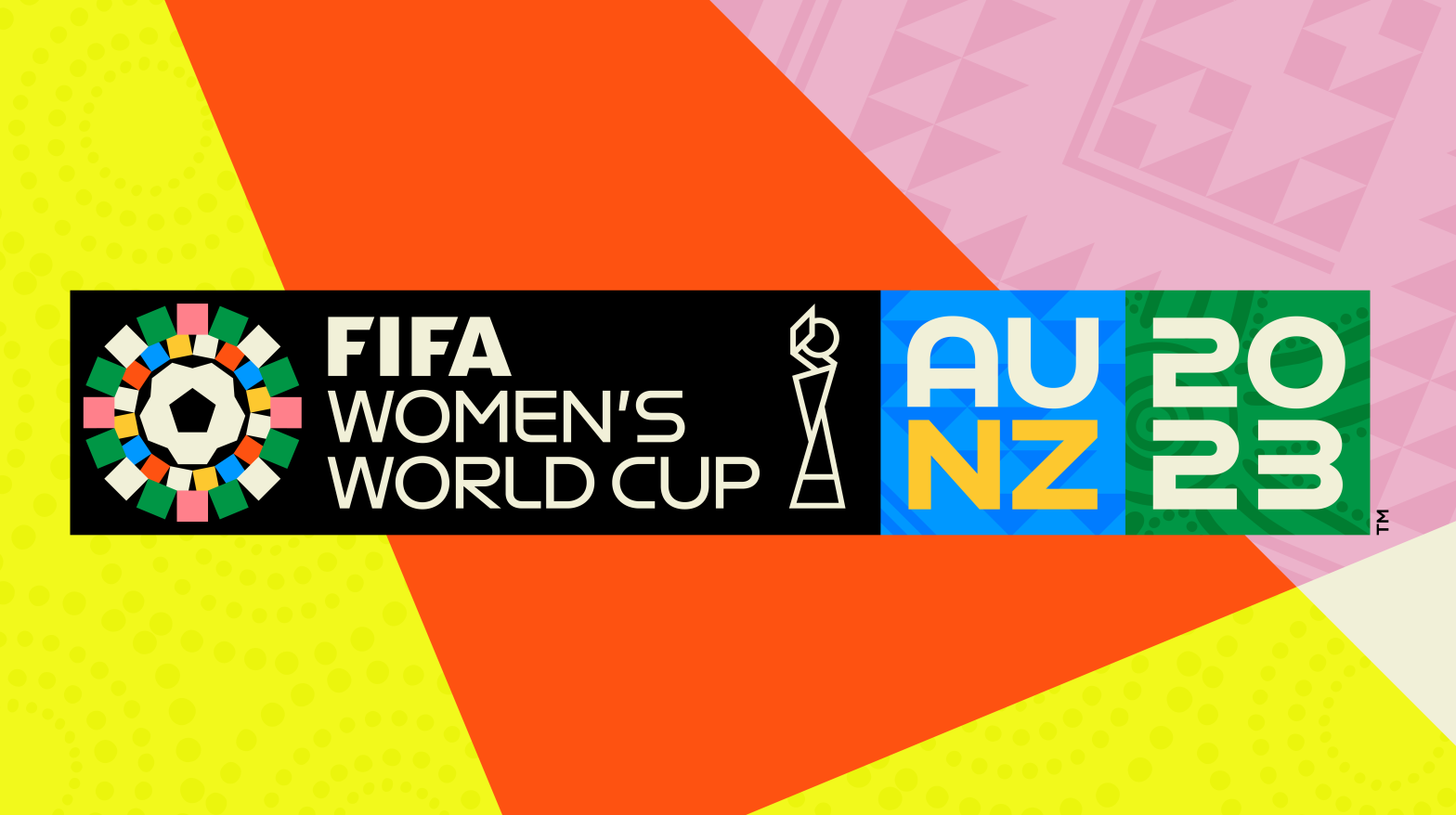
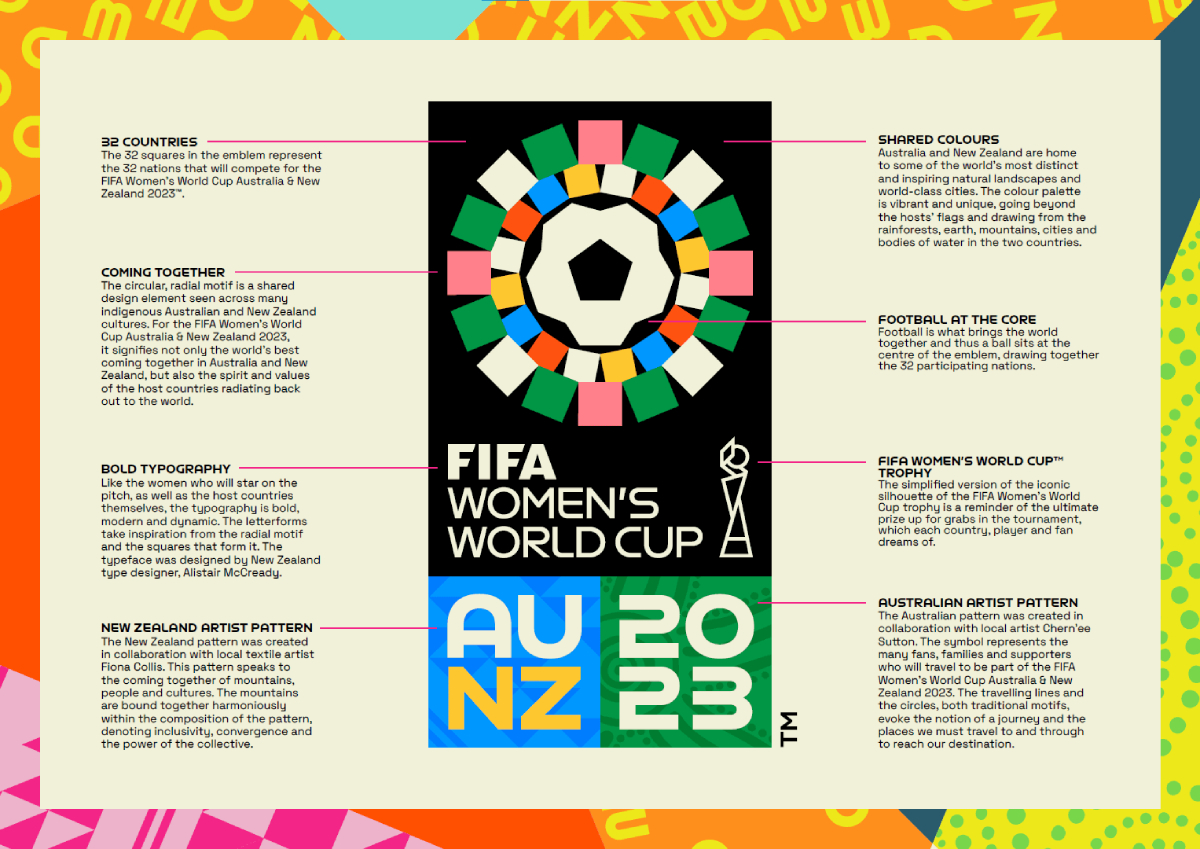
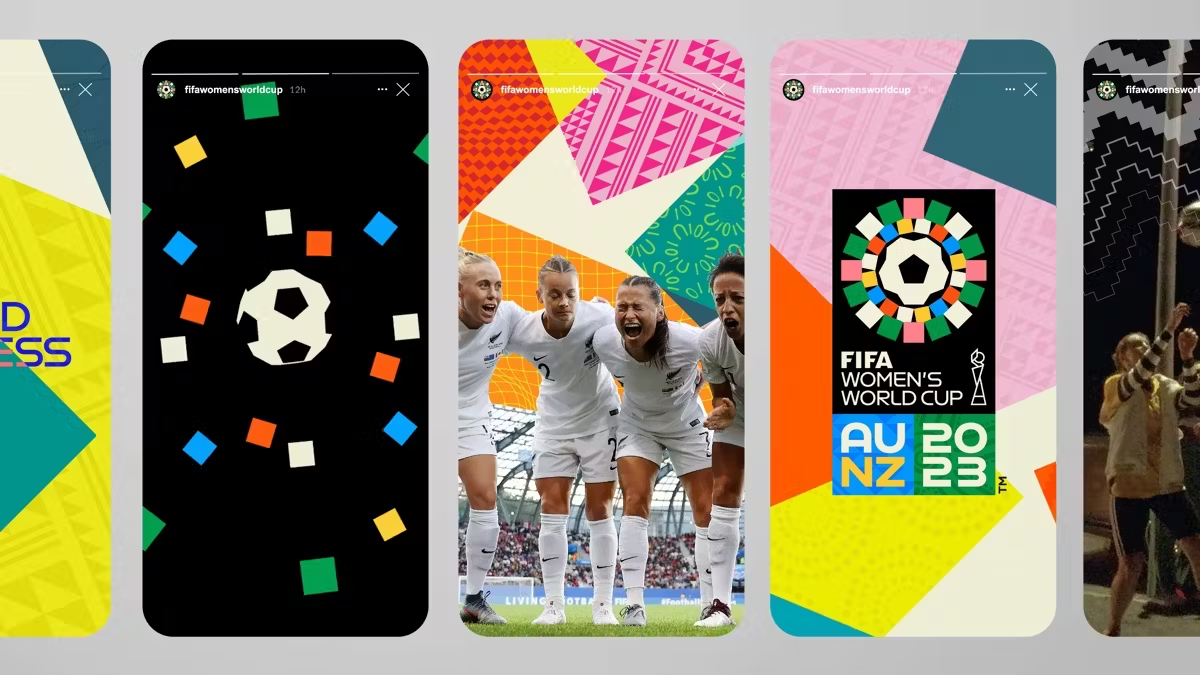
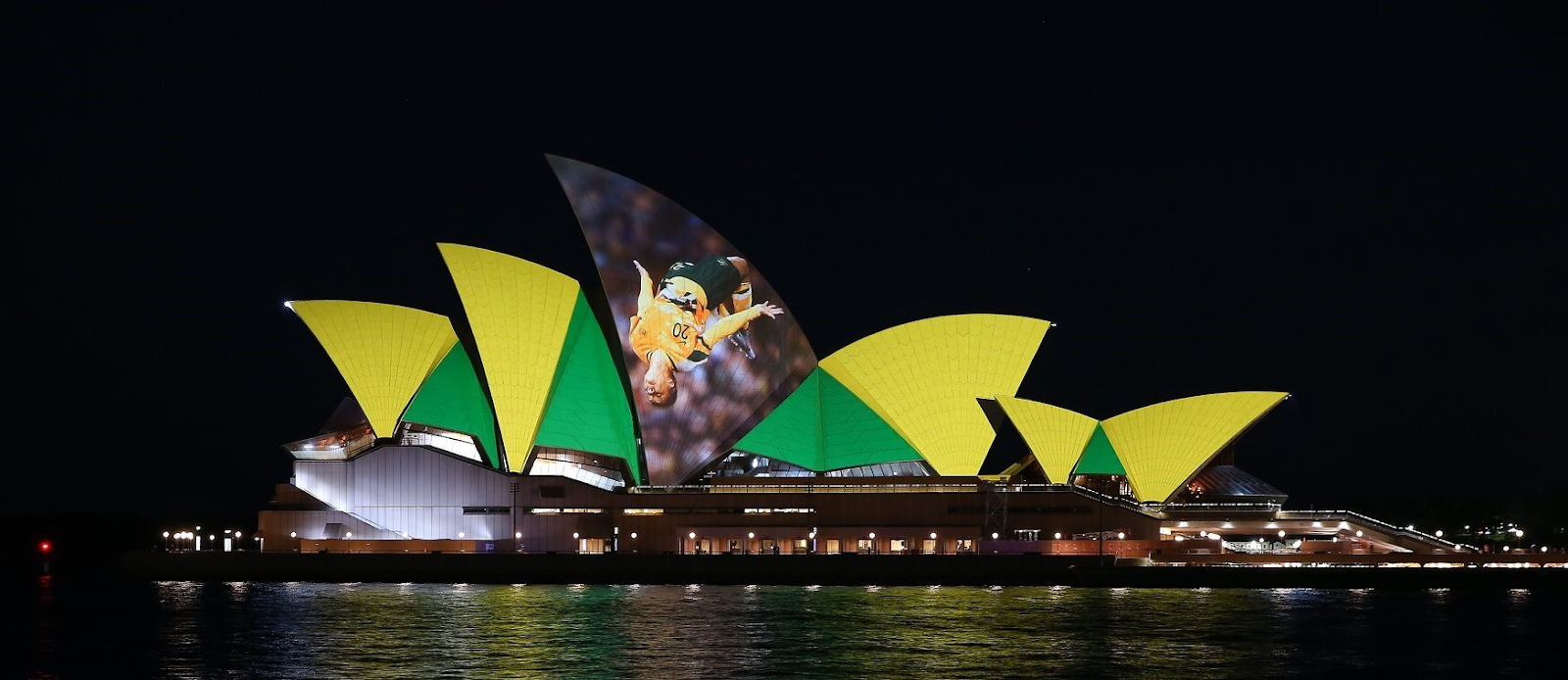
For marketers, the stronger lesson is that the event was built around a clear position rather than a generic “big sports tournament” message. FIFA’s Beyond Greatness identity combined a bold colour system with a radial motif of 32 squares, local cultural references from Australia and Aotearoa New Zealand, and a bespoke sonic identity. The tournament’s visual identity gave posters, host-city graphics, digital content, stadium environments, and broadcast assets a common language.
Official Sponsors and Their Impact
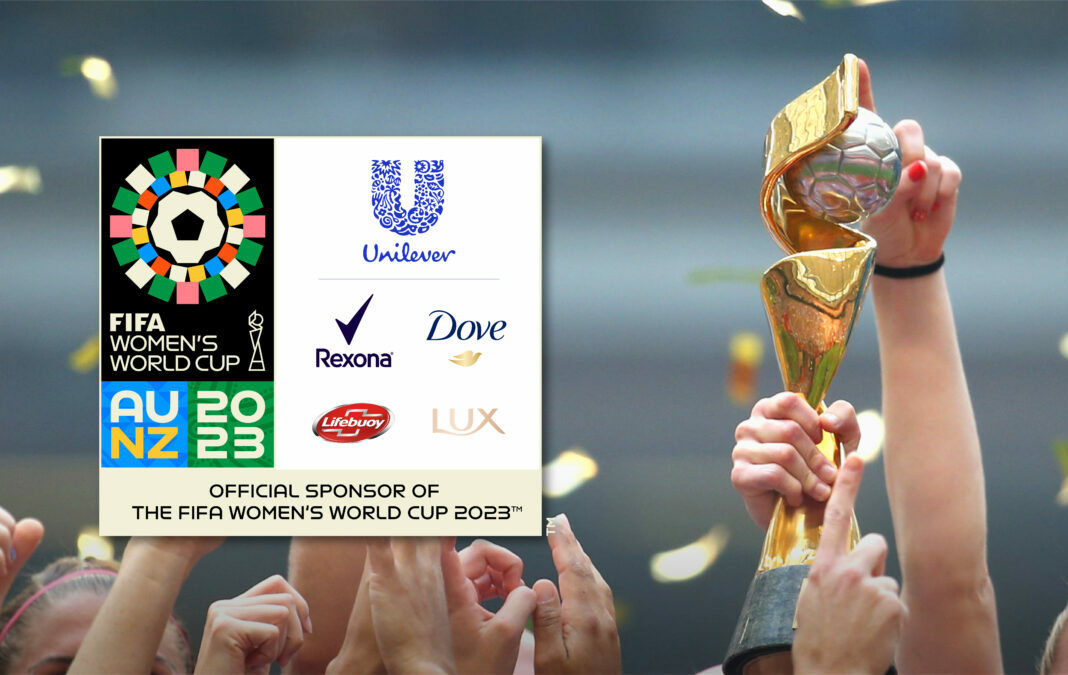
The tournament also showed how women’s football could support a more specialized commercial model. Visa became FIFA’s first Global Women’s Football Partner and served as the tournament’s exclusive payment service partner. Unilever personal care brands Rexona, Dove, Lifebuoy, and Lux joined as official sponsors, with FIFA and Unilever also committing to initiatives intended to support the growth of women’s football.
This is more strategically useful than treating sponsorship as logo placement alone. When a partner can connect its campaign to a credible audience interest, fan experience, or development program, the sponsorship has a clearer role inside the event’s wider brand strategy. The fit still has to be earned through the work; simply attaching a corporate name to a values-led tournament does not create credibility by itself.
Creative Marketing Built Around Beyond Greatness
“Beyond Greatness” gave the tournament a platform that could hold more than match promotion. The identity celebrated the expansion to 32 teams, incorporated host-country colour and cultural references, and used a distinct sonic system to create recognition across media. FIFA also launched a group of Beyond Greatness Champions drawn from sport, media, business, arts, and public life in Australia and Aotearoa New Zealand to help build local anticipation and community reach.
The campaign is a good example of why major-event marketing needs a system rather than a string of disconnected announcements. A tournament poster, a social clip, a host-city activation, and a sponsor execution can look very different while still reinforcing the same central idea.
Promoting Gender Equality, Inclusion, and Social Causes
The tournament’s social messaging was not limited to sponsor advertising. Through FIFA’s Football Unites the World platform, eight social causes were selected after consultation with the 32 participating teams, players, and United Nations agencies. The themes included gender equality, inclusion, peace, ending hunger, education, and protection from violence.
Those messages appeared on captain armbands, pitch-side LED boards, flags, stadium screens, and social media. That approach gave the social themes visible space inside the event itself rather than isolating them in a separate corporate-responsibility campaign.
Grassroots Initiatives and Community Legacy
Australia and Aotearoa New Zealand also treated legacy as part of tournament planning. FIFA established its first Legacy Working Group directly connected to a Women’s World Cup, bringing together FIFA, Football Australia, New Zealand Football, the AFC, and the OFC. The host programs included participation goals, women in leadership, coaching and refereeing pathways, community infrastructure, and facility upgrades.
More than half of the tournament training sites received renovation or upgrade work overseen by FIFA, creating physical benefits that continued after the final. That matters because event legacy is easier to defend when it can be seen in participation opportunities, facilities, and pathways rather than only in a short-term awareness claim.
Digital and Social Media Scaled the Tournament Story
The digital results give a clearer picture than the pre-event projections in the original version of this article. FIFA reported more than three billion views of Women’s World Cup content across its social and digital platforms. During the group stage alone, 22 million unique users visited FIFA’s digital platforms, and by the end of the tournament the Women’s World Cup accounts had accumulated 8.3 million followers.
Those channels let the tournament distribute match clips, player stories, behind-the-scenes material, social-cause messaging, and fan content at a scale that broadcast alone could not provide. The lesson is similar to other experience-led brands. Brand Vision’s breakdown of the Lollapalooza marketing strategy shows how a live event can keep the relationship active through content before, during, and after the physical experience.
What Marketers Can Learn From the 2023 Women’s World Cup
The strongest part of the tournament marketing was the consistency between the event promise and the ways people encountered it. The brand system had distinctive visual and sonic assets. Sponsors were given clearer women’s-football roles. Social causes appeared inside the tournament environment. Digital content extended the story beyond the stadium. Legacy programs connected the month-long competition to longer-term football development.
For other organizations, the transferable lesson is not to copy the scale of a World Cup. It is to give a campaign one clear idea, build recognizable branding around it, and make each channel serve a specific part of the audience journey.
If your organization is planning a major sports, entertainment, or cultural campaign and needs help connecting positioning, content, and channel execution, a marketing consultation can help clarify the system before the campaign expands.