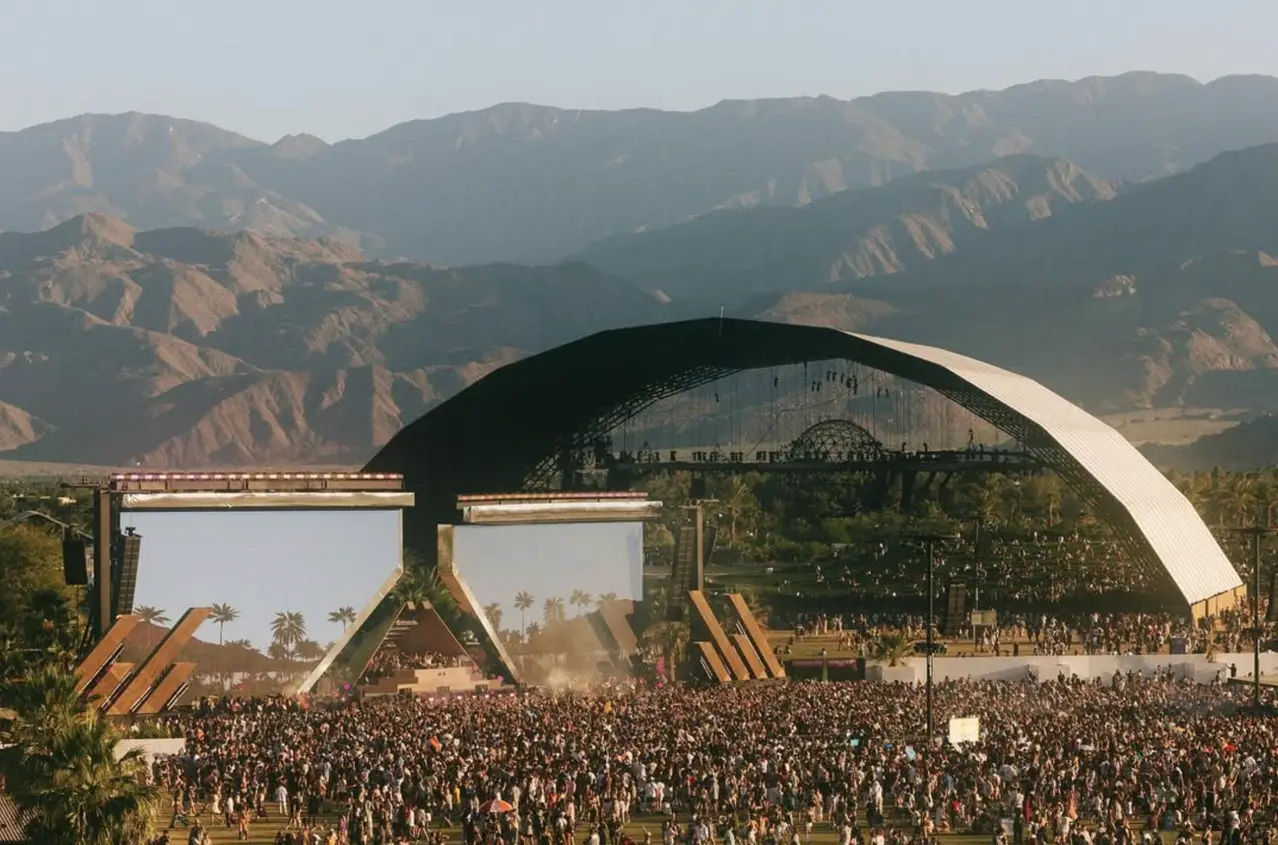
Coachella 2025 took place across April 11-13 and April 18-20 at the Empire Polo Club in Indio, California. Looking back after both weekends, the edition is useful as a marketing case study because the festival combined a headline-heavy lineup with creator-led livestreaming, sponsor activations, social content, surprise guests, and a much earlier lineup reveal than usual. This recap keeps the original 2025 focus but replaces pre-event predictions with what actually happened.
The festival's marketing worked across several layers at once. The on-site experience still depended on music, art, food, and sponsor environments, while digital distribution gave viewers outside Indio a parallel version of the event. That combination made Coachella more than a ticketed concert series. It operated as an entertainment marketing platform with multiple audiences, including attendees, livestream viewers, artists, sponsors, creators, and fans following clips after each set.
Coachella 2025 Lineup: What Actually Happened
Lady Gaga, Green Day, and Post Malone were the three principal nightly headliners, while Travis Scott received the special "Travis Scott Designs the Desert" billing and performed after Green Day on Saturdays. The lineup also included Missy Elliott, Charli XCX, Megan Thee Stallion, LISA, JENNIE, the Original Misfits, the Go-Go's, the Prodigy, Basement Jaxx, and the Los Angeles Philharmonic, among many others.
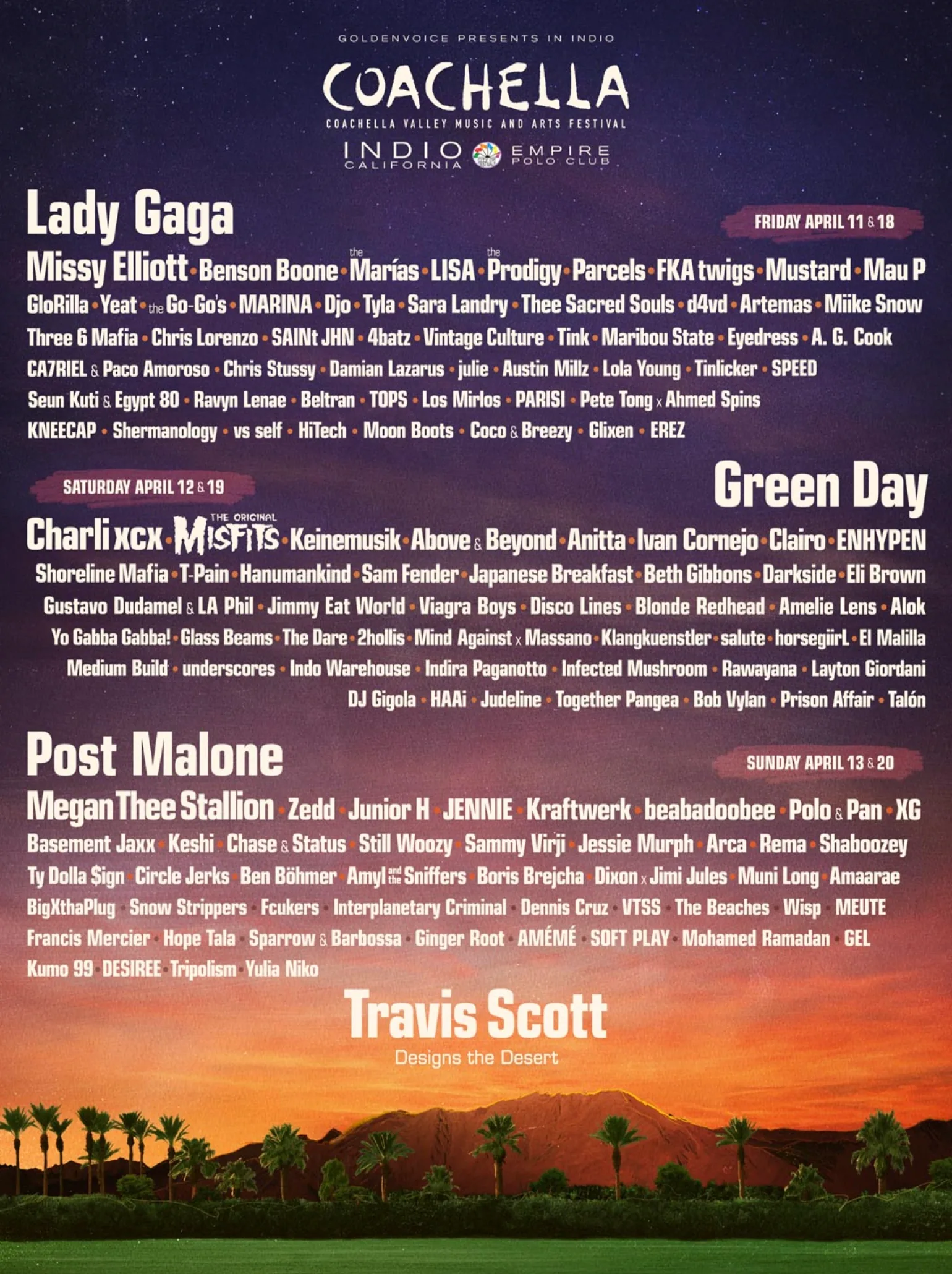
Lady Gaga, Fridays: April 11 and 18
Lady Gaga returns to the festival became one of the defining stories of the first weekend. Her set, described as "The Art of Personal Chaos," used a large gothic production that she called an "opera house in the desert." Rather than the rumored wearable-tech concepts in the original pre-event draft, the finished show centered on theatrical staging, choreography, songs from Mayhem, and earlier hits including "Bad Romance," "Shallow," and "Born This Way." The result showed how a headliner can turn a festival set into a self-contained brand world without losing the live-performance core.
Green Day and Charli XCX, Saturdays: April 12 and 19
Green Day headlined Saturdays with a set built around decades of pop-punk material, while Charli XCX will also be performing during this slot proved more consequential than the pre-event wording suggested. On Weekend 1, Charli brought out Lorde, Billie Eilish, and Troye Sivan, turning her set into one of the clearest examples of how guest appearances can multiply social attention around an already-strong bill. The performance also extended the cultural afterlife of brat summer into the 2025 festival season.
View this post on Instagram
A post shared by Coachella (@coachella)
Post Malone, Sundays: April 13 and 20
Post Malone’s Sunday headlining sets leaned heavily into the country direction of F-1 Trillion while still revisiting earlier hits such as "Psycho," "Circles," and "Sunflower." That mix mattered from a programming perspective: Coachella could present the same artist to hip-hop, pop, rock, and country audiences without pretending those categories had disappeared. His set demonstrated how a familiar star can support lineup breadth through an evolving catalog rather than a surprise-heavy production.
Travis Scott and "Designs the Desert"
Travis Scott's special “Designs the Desert” position, an immersive curation of the festival space reminiscent of his Cactus Jack brand. ultimately manifested most visibly through his Saturday-night performance and stage design. Pitchfork reported that he opened with a 60-piece brass band, performed from an elevated circular platform in the crowd, and used dancers suspended above the stage. It was his first Coachella performance since 2017. The finished set was therefore more concrete than the early rumors about pop-ups and a large branded micro-world.
Surprise Guests and Cross-Genre Programming
The 2025 bill was already broad, but several of the most discussed moments came from combinations that were not obvious from the poster alone.
- Missy Elliott delivered her first Coachella performance in years and was one of the strongest hip-hop anchors of the opening day.
- Original Misfits reinforced the festival's continued interest in legacy punk and reunion-driven programming.
- The Go-Go’s, brought out Green Day's Billie Joe Armstrong during Weekend 1, creating a crossover between two generations of California rock.
- The Prodigy and Basement Jaxx gave the lineup a strong 1990s and early-2000s electronic thread.
- Los Angeles Philharmonic, led by Gustavo Dudamel, paired orchestral repertoire with guests including LL Cool J and Laufey, showing how deliberately Coachella was stretching the usual festival format.
The LA Phil appearance was especially useful as a programming signal because it treated a major orchestra as part of the same festival vocabulary as pop, rap, punk, and electronic acts. That cross-genre approach widened the event without turning the orchestra into a novelty sidebar.
BLACKPINK’s Lisa and Jennie each have solo performance slots, and both appeared as solo artists rather than as BLACKPINK. Another widely discussed surprise came when Benson Boone performed "Bohemian Rhapsody" with Queen guitarist Brian May. These moments made the diversity of the lineup tangible rather than merely descriptive.
Coachella Tickets, Passes, and Pricing for 2025
The original 2025 pass structure used tiered pricing. By early April, the Los Angeles Times reported that both weekends still had some ticket options available, with Weekend 1 inventory concentrated in higher-priced packages. The figures below preserve the 2025 prices cited in the original article and contemporary coverage.
- General Admission
Weekend 1 starting at $649, Weekend 2 starting at $599. - General Admission + 3-Day Shuttle
Weekend 1 from $779, Weekend 2 from $679. - VIP
Weekend 1 from $1,399, Weekend 2 from $1,199. - GA 4-Pack
Weekend 1 from $589 each, Weekend 2 from $539 each.
Car camping was listed at $160 during the festival period, while more elaborate accommodations cost considerably more. The tiered model also made the displayed price time-sensitive: a "starting at" figure could change as lower-priced inventory disappeared. That matters when reviewing the campaign historically because a February price, an April price, and a resale price are not interchangeable evidence of demand. The useful marketing question is how the festival balanced price, scarcity, lineup news, and the value of two nearly parallel weekends rather than treating one sticker price as the entire offer.
For brands working around destination events, the ticket is only one part of the experience. Travel planning, lodging, local transport, food, and off-site activations create a broader travel and hospitality marketing ecosystem around a festival weekend.
How Coachella Marketed the 2025 Festival
Coachella's 2025 marketing is most interesting when separated from assumptions about ticket sales. The lineup arrived on November 20, 2024, months earlier than the festival's more familiar January rhythm. The existing report on This “Earliest Lineup Reveal Ever” tactic captured how unusual the timing was. What it clearly delivered was a longer promotional runway through the holiday season. It did not produce an instant sellout: Pollstar reported that Weekend 1 sold out only in late February.
The earlier announcement still had strategic value even without an immediate sellout. It gave artists, sponsors, travel planners, media outlets, and fans more time to build content and make purchase decisions before April. In other words, the marketing advantage was not simply urgency. It was calendar space. Coachella could occupy the holiday and early-year conversation while partners developed their own creative around the lineup, fashion, travel, and on-site experiences.
Creator, Influencer, and Sponsor Activations
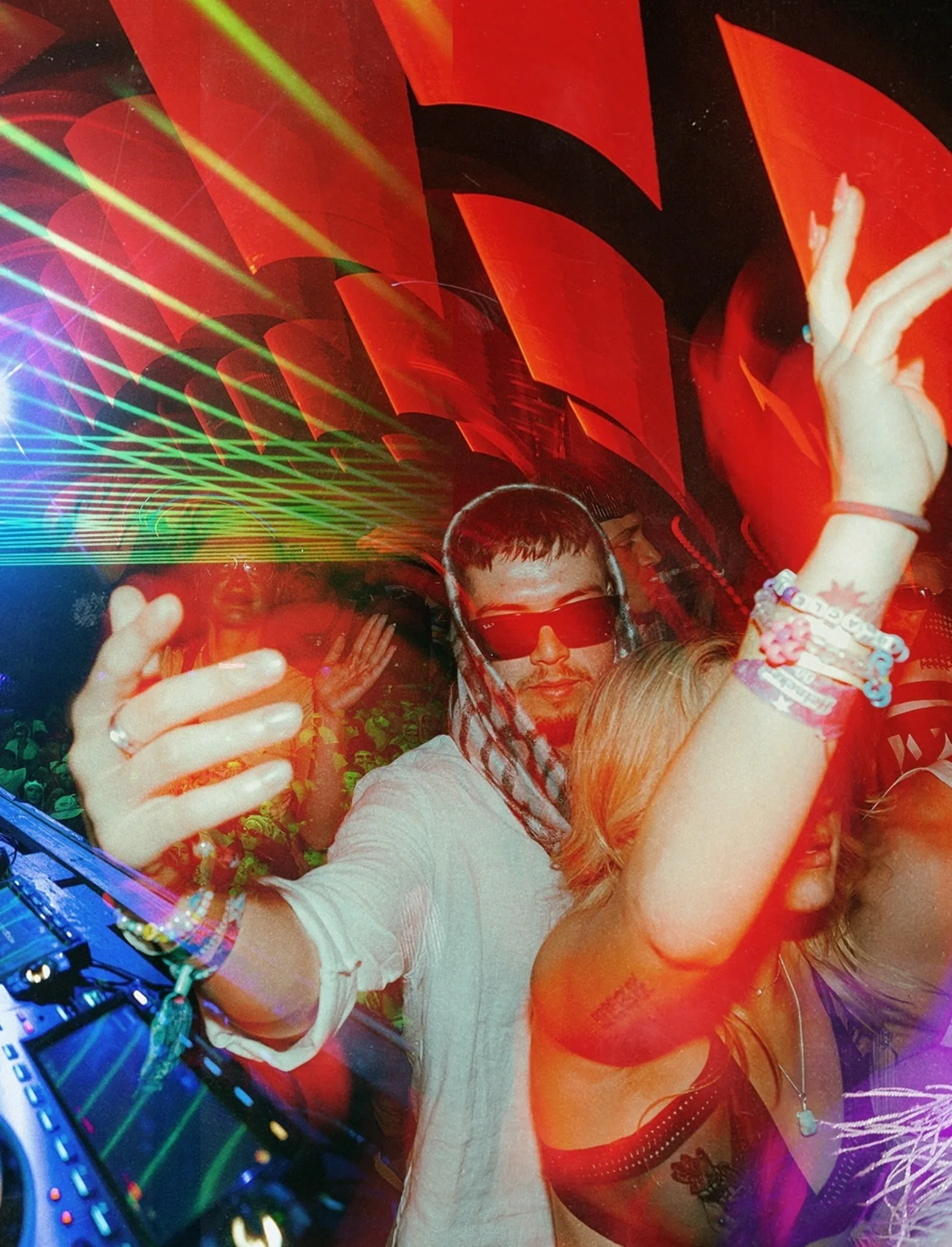
The festival's creator strategy was more concrete than the original pre-event language about "authentic" influencer coverage. Pinterest announced its second annual Coachella partnership in March 2025 and built the activation around festival fashion and beauty planning. The broader influencer-driven marketing lesson is that a partner works best when its own user behavior maps naturally to the event. Pinterest could connect festival discovery with outfit planning, shopping, and trend search rather than appearing as an unrelated logo on-site.
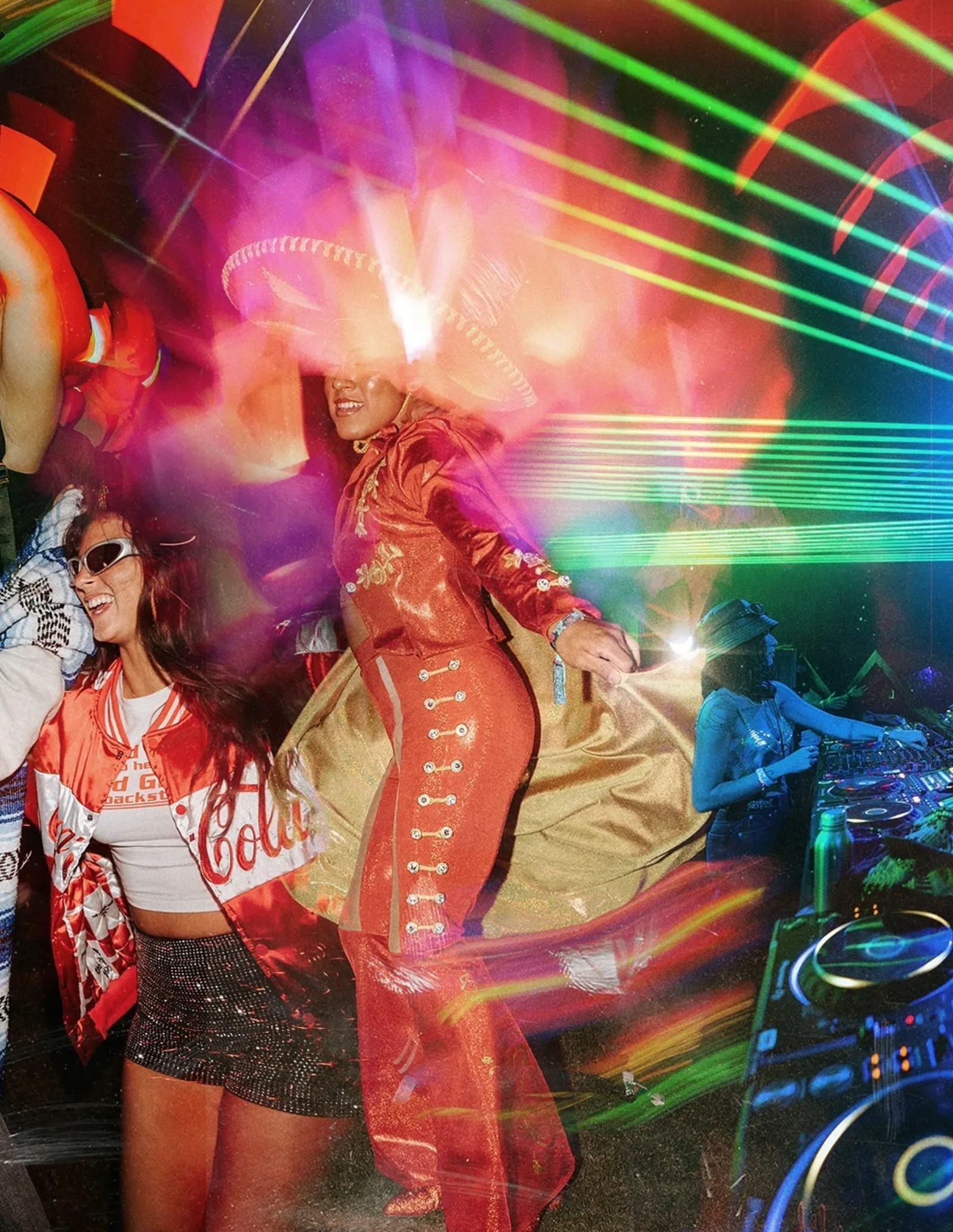
Brand partnerships also remained part of the physical environment. The festival's Coca Cola and Aperol Spritz partner ecosystem included experiential spaces, while Aperol described 2025 as its third year and official Spritz partnership. The value of these activations came from giving the sponsor a role in the attendee experience rather than relying only on signage.
Livestreaming and Digital Extensions
YouTube was the strongest documented digital extension of Coachella 2025. The platform streamed six stages concurrently, added a vertical Quasar feed, offered Multiview, introduced creator "Watch With" streams, enabled merchandise shopping, and supported creator-led lifestyle coverage from the grounds. That meant the at-home audience received its own designed experience rather than a single passive camera feed. The "Watch With" format also turned creators into a distribution layer around the official broadcast, while YouTube Shopping connected performance viewing with official festival and artist merchandise. Those additions matter because they made the livestream a product with its own features, not merely a remote substitute for attendance.
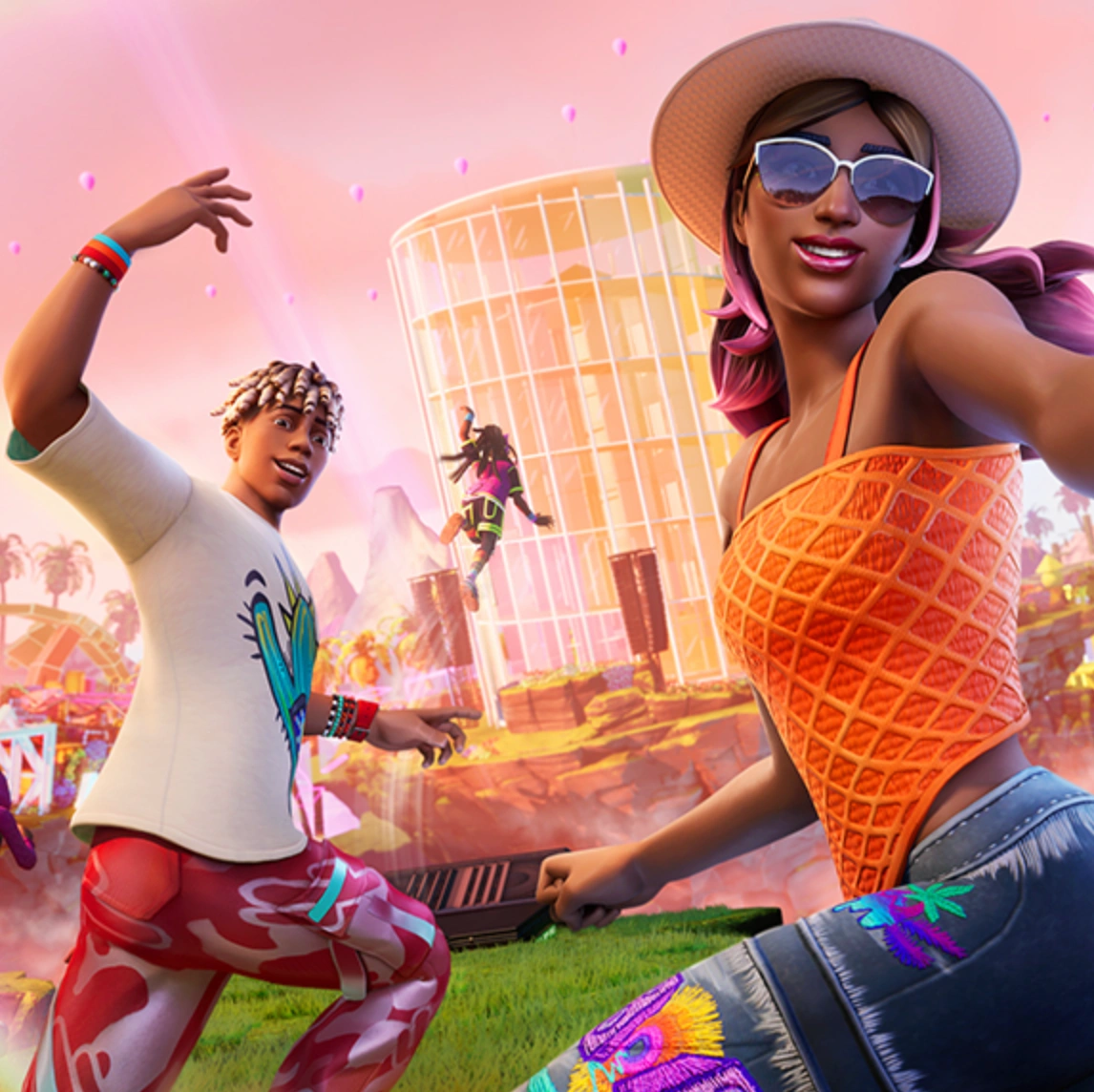
The original pre-event article also described a continued partnership with Fortnite, based on Coachella's earlier gaming activations. The clearest documented 2025 digital program, however, was the YouTube ecosystem rather than a new Fortnite campaign. That distinction matters when evaluating the festival's branding: the 2025 strategy extended the event through media products that were actually active during the festival. A strong web design and digital-content system is part of the same principle for any live-event brand that needs schedules, ticket information, sponsor content, streaming, and updates to work together.
What the 2024 Lana Del Rey and Billie Eilish Moment Foreshadowed
One correction matters in the original article's 2024 comparison. Lana Del Rey’s joint performance with Billie Eilish happened on Friday, April 12, during Weekend 1, not Weekend 2. They performed "Ocean Eyes" and "Video Games" together. Critics hailed it as the emotional climax of Coachella 2024, and the pairing became a useful reference point for why surprise guests matter so much to festival conversation.
View this post on Instagram
A post shared by LANA DEL REY (@honeymoon)
What 2025 Added to the Formula
- Charli XCX brought Lorde, Billie Eilish, and Troye Sivan into her Weekend 1 set.
- Benson Boone brought out Brian May for "Bohemian Rhapsody."
- The Go-Go's brought out Billie Joe Armstrong.
- The Los Angeles Philharmonic used guest artists to bridge orchestral and pop programming.
The stronger lesson is not that every festival needs secret guests. Surprise works when it strengthens the audience's understanding of the event as a place where genres and fan communities can collide. For brands in music, film, gaming, and live events, that is a core entertainment marketing problem: create enough structure that people know what the event stands for, while leaving room for moments that feel unrepeatable.
What Coachella 2025 Says About Festival Marketing
The final results do not support the original article's pre-event claim of an obvious sales rebound. A 2024 article linked under the words Weekend 1 sold out swiftly was about the 2024 festival, not 2025. For 2025, Pollstar reported that Weekend 1 sold out in late February and Weekend 2 was still available in mid-March. The Los Angeles Times still found some Weekend 1 package inventory on April 7. That makes the marketing story more nuanced: the festival remained culturally powerful without returning to the near-instant sellouts associated with some earlier years.
What did strengthen was the number of ways Coachella could distribute attention. Headliner-scale productions generated press and clips. YouTube served viewers worldwide. Pinterest tied the festival to planning and shopping behavior. On-site sponsors built physical experiences. Surprise guests gave social channels moments that could not be fully planned in advance. Together, those layers show why festival marketing is not one campaign but an operating system connecting programming, distribution, partnerships, content, and the attendee journey.
The Lasting Marketing Lesson from Coachella 2025
Coachella takes place in Indio, not Los Angeles, but Southern California's entertainment ecosystem still shapes how artists, creators, sponsors, and media move around festival season. Brands planning launches or creator activations specifically in the Los Angeles market can compare a Los Angeles branding agency relationship without treating Indio as part of Los Angeles.
The broader lesson is that a live event needs a coherent identity across the stage, the phone screen, sponsor spaces, ticketing, and post-event content. That coordination is where marketing services become more useful than isolated tactics. If your organization is planning an entertainment launch, event campaign, or connected digital experience, talk with Brand Vision about the scope.