Bang Energy entered the U.S. energy-drink market in 2012 and became a high-visibility challenger through a creator-heavy food and beverage marketing strategy. Its social-first growth is still worth studying, but the business context changed materially after that rise. Vital Pharmaceuticals filed for Chapter 11 protection in October 2022, and Monster Beverage acquired substantially all Bang Energy assets on July 31, 2023 for about $362 million. (Monster Beverage) That makes Bang a useful case study in both the power and the limits of attention-led growth. For comparison, Brand Vision's Red Bull marketing strategy shows another way an energy-drink brand can build long-term cultural relevance.
The Power of Influencer Marketing
Bang's historical influencer model worked because creators were treated as an ongoing distribution network rather than occasional sponsored posts. Repeated appearances made the can, colors, fitness positioning, and high-energy lifestyle easier to recognize across feeds. The useful lesson is less about hiring the largest creator and more about choosing partners whose audience and content style reinforce a clear brand positioning. Brand Vision's guide to building a brand through creator ecosystems explores that relationship in more depth.
Bang also used creator codes and dedicated recruitment pages to make participation easier to organize and measure. That kind of landing page experience matters because a creator program is only as scalable as the system behind it. Distribution played a separate role. PepsiCo announced an exclusive U.S. distribution agreement with Vital Pharmaceuticals in April 2020, but PepsiCo's 2022 filings show that the agreement was terminated that year. (PepsiCo 2020; PepsiCo 2022 Form 10-Q) Creator demand generation and physical distribution can reinforce one another, but they are different operating systems.
Building a Community of Brand Ambassadors
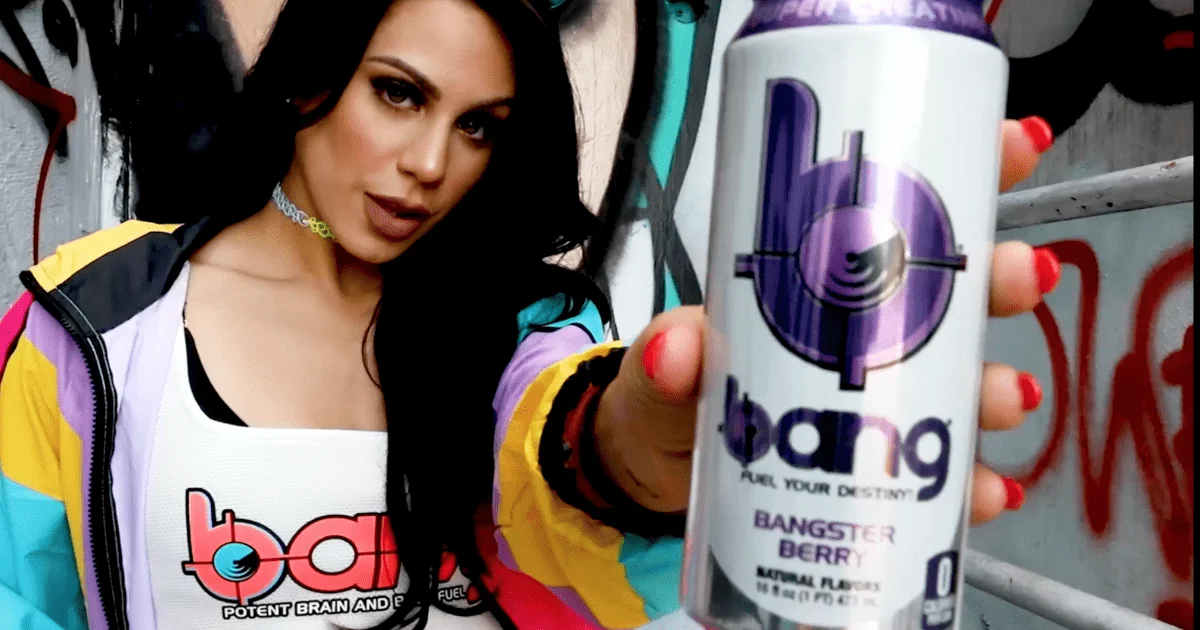
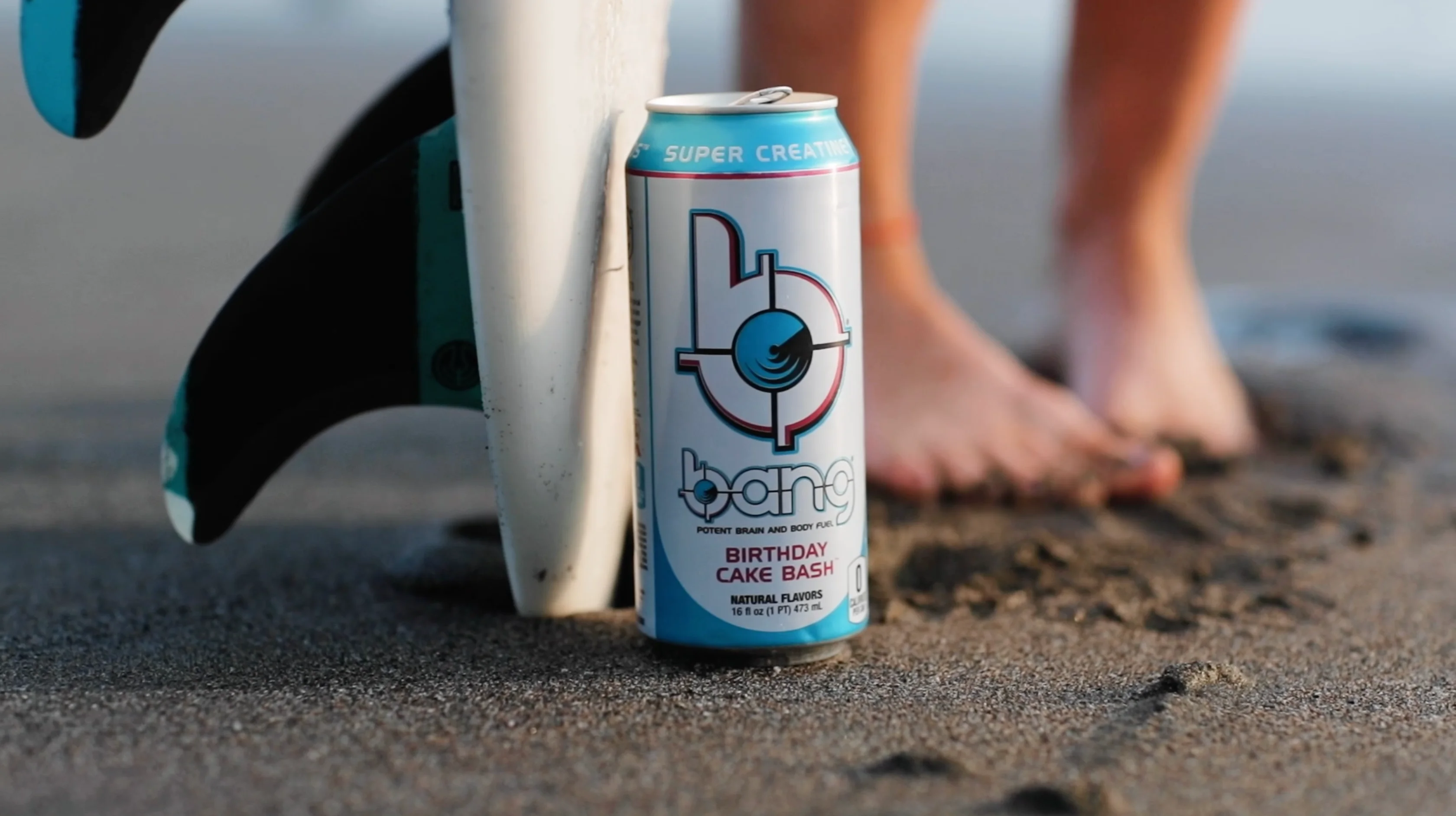
The strongest part of Bang's ambassador model was fit. Creators had to make the product feel natural inside the lifestyle the brand wanted to own, which helped social posts look more like recurring culture than disconnected media buys. The current Bang site still promotes sponsorship and influencer-event opportunities, showing that community partnerships remain part of the marketing mix. (Bang Energy FAQ)
That creator-first approach did not disappear after the acquisition. In August 2026, Bang announced streamer Cinna as a brand ambassador around a month-long Twitch subathon, placing the brand inside a creator event rather than limiting the partnership to a single sponsored post. (Bang Energy) Long-term partnerships can create continuity, but marketers still need to measure whether attention leads to qualified traffic, repeat purchase, or other business outcomes.
Personalized Marketing and Younger Consumer Segments
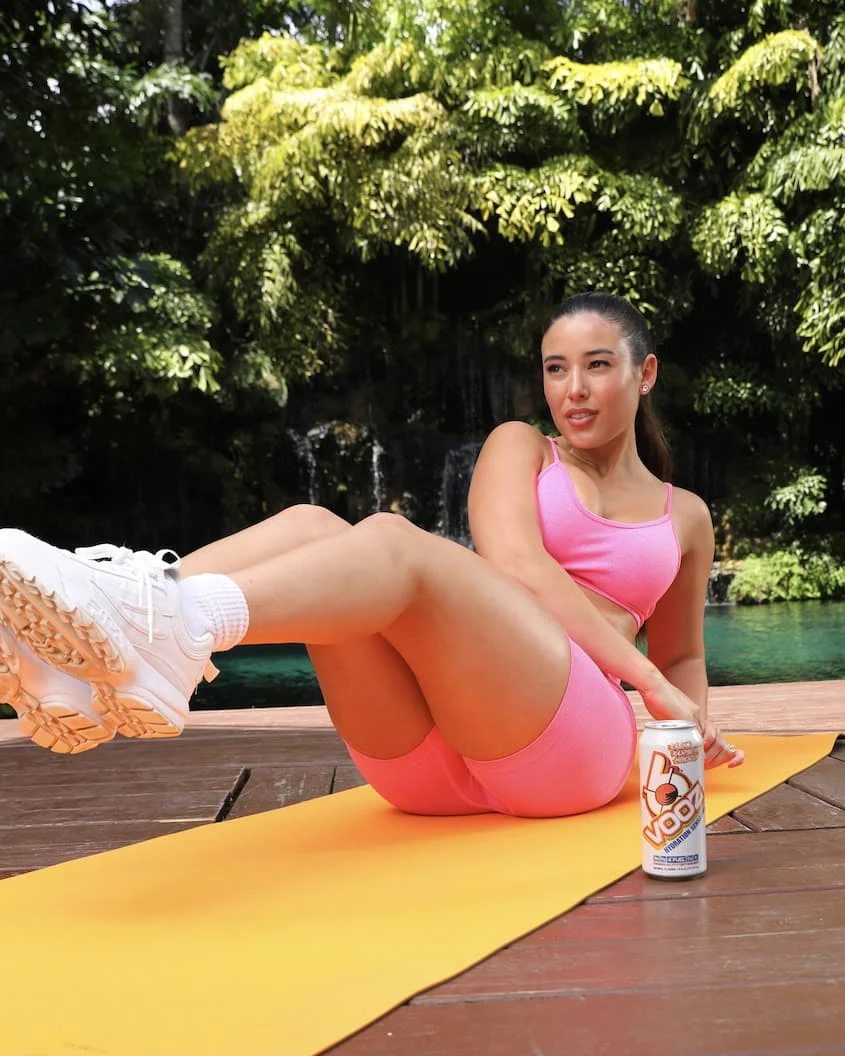
Bang's historical B2C marketing leaned toward younger fitness, lifestyle, and social-media audiences, but the useful principle is segmentation rather than a blanket claim about one generation. Creator content can make a product feel native to a community, yet the return still needs to be evaluated with real commercial measures. Brand Vision's marketing metrics guide separates reach, engagement, conversion, customer acquisition cost, and retention instead of relying on one influencer-ROI headline.
Social proof can reduce uncertainty, but it should not be confused with product proof. A creator can demonstrate how a drink fits into a routine, event, or lifestyle, while claims about performance, ingredients, or health effects still need appropriate evidence. For marketers, the stronger takeaway is to use creators to make the use case understandable without asking them to carry claims the content cannot substantiate.
TikTok and the Creator-First Distribution Model
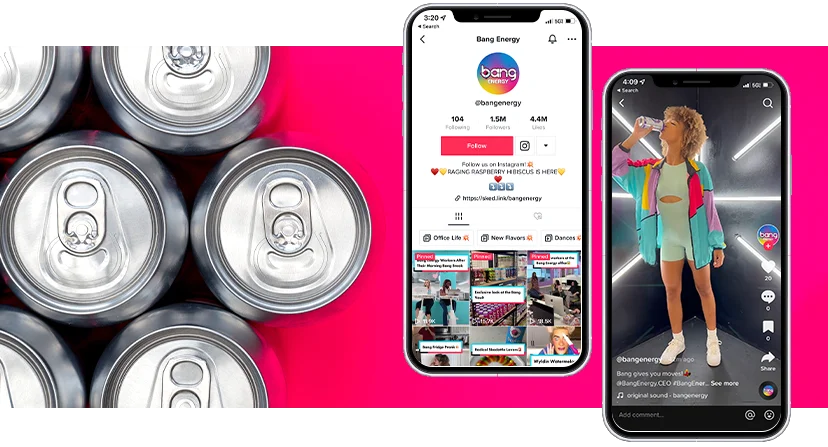
TikTok was central to the version of Bang's strategy that made the brand a creator-marketing case study. Short video matched the product's visual energy and gave ambassadors a format that could be repeated quickly. The broader lesson is platform fit: brands should choose channels where audience behavior and creative format support each other rather than chasing whichever platform has the biggest headline growth.
Old follower and hashtag totals are poor evergreen evidence because platform counts change constantly, and Jack Owoc is no longer the CEO of the company that owns Bang. The more durable evidence is the operating model: creator partnerships, social content, sponsorships, events, and owned channels still sit inside Bang's current marketing mix. The brand's present website emphasizes flavor drops, events, email access, and sponsorship opportunities alongside social content.
That shift is useful for any brand building a creator program. A platform can accelerate attention, but the brand needs assets it owns too, such as an email list, event calendar, retail availability, and a recognizable product experience. Those channels reduce dependence on one algorithm while giving successful creator moments somewhere to convert.
The Art of Brand Representation
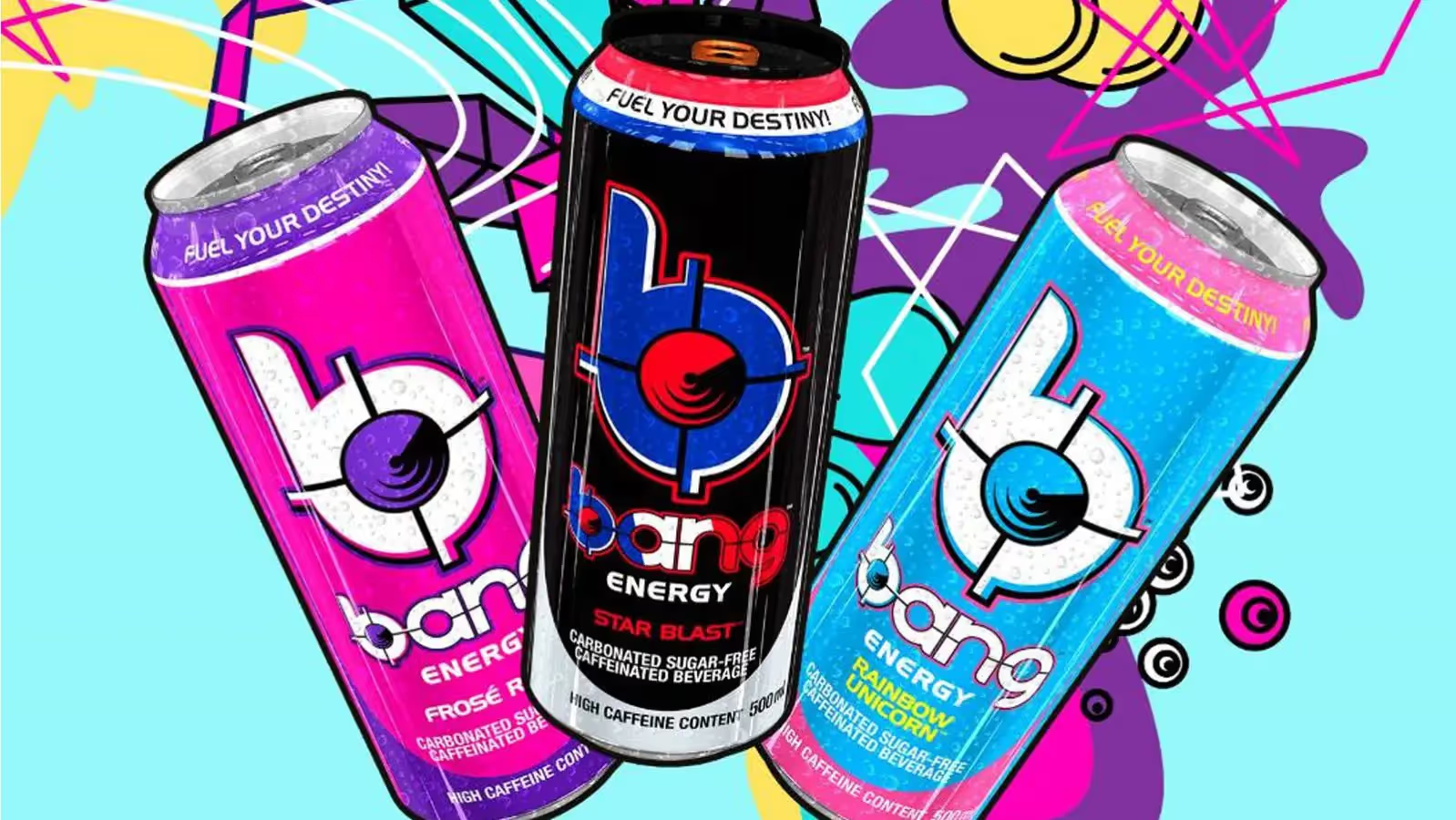
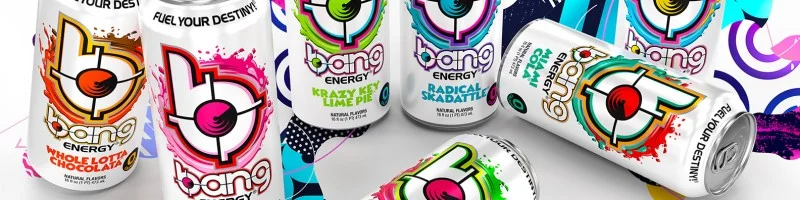
Bang's creator strategy worked best when the people, packaging, colors, tone, and event presence all felt like parts of the same brand world. That is a visual identity lesson as much as an influencer lesson: consistency makes individual creator posts easier to attribute to the brand even when the content style changes. The ambassador should amplify a recognizable system rather than substitute for one.
What Brands Can Learn From Bang Energy's Marketing Strategy
Bang's rise shows how quickly creator networks can build attention when the brand is distinctive, the content is repeatable, and distribution can keep up. Its later bankruptcy and acquisition are an equally useful reminder that awareness is not the same as a durable business model. Brands borrowing the playbook should connect creator activity to measurable demand, owned channels, retail execution, and a consistent identity.
If your team needs to decide which channels deserve more investment, Brand Vision's marketing consultation can help connect positioning, content, conversion paths, and measurement around one priority. Brand Vision can also help build the brand and digital system that gives campaign attention somewhere useful to land.

.avif)