Korean skincare, often grouped under the broader K-beauty label, has moved from a niche export category into a major part of the global beauty market. The growth is visible in trade data as well as retail distribution: South Korea's Ministry of Food and Drug Safety reported record cosmetics exports of $11.4 billion in 2025, up from $10.2 billion in 2024, with the United States becoming the largest export market. (Ministry of Food and Drug Safety)
The Korean skincare marketing strategy is not one formula. It combines product variety, fast trend cycles, strong brand research, packaging, social discovery, creators and global retail partnerships. The category's success is easier to understand through those commercial systems than through blanket claims that every K-beauty product is unusually effective.
Why Korean Skincare Became So Discoverable
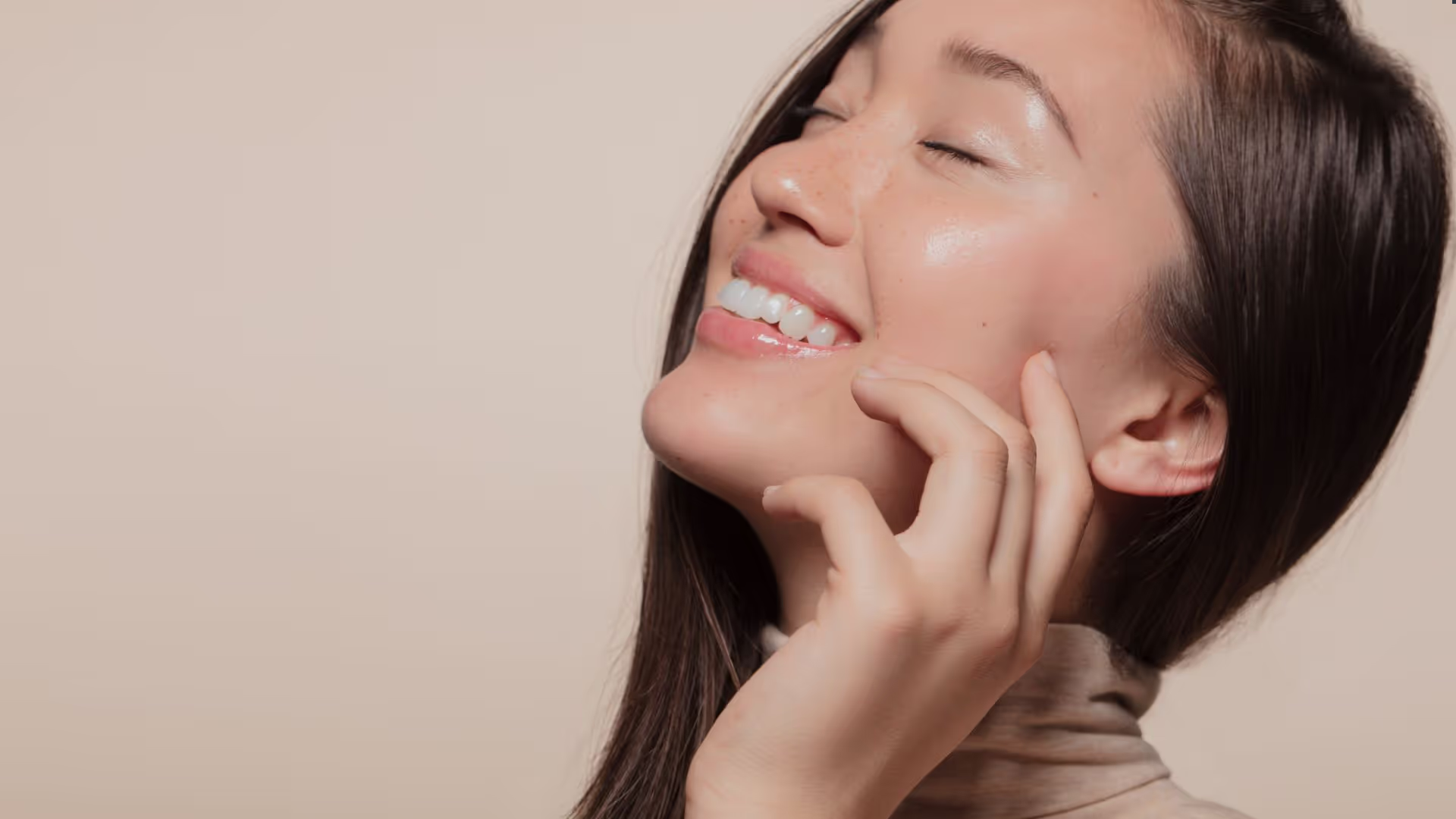
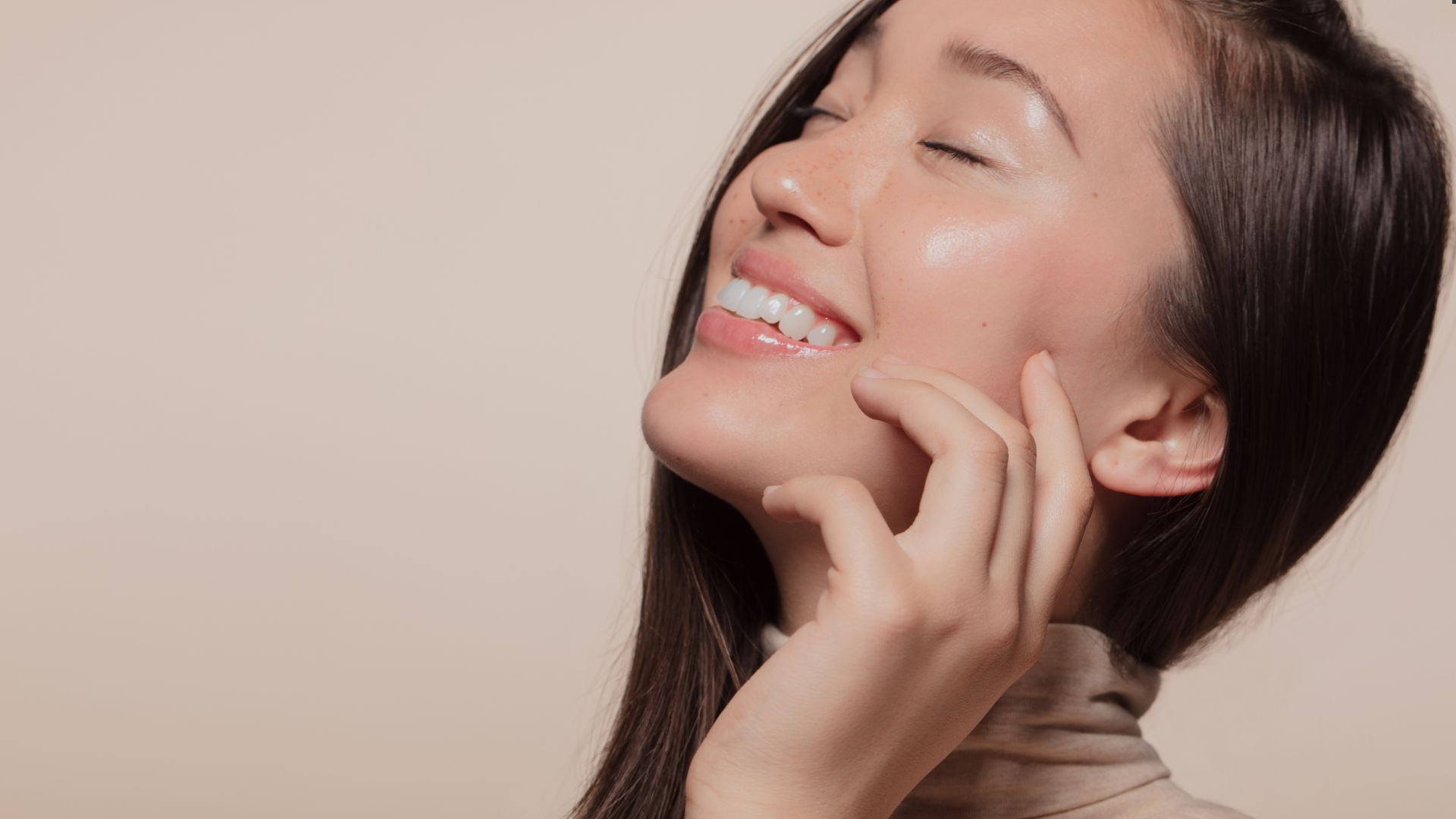
One of K-beauty's most recognizable ideas is "glass skin," a beauty term associated with a smooth, luminous appearance. It became widely visible through beauty content, but it should not be treated as a universal Korean beauty standard or a guaranteed result. The marketing value of the phrase is that it gives creators and brands an easy visual concept to demonstrate, discuss and search for.
The familiar "10-step Korean skincare routine" works similarly. Some beauty consumers enjoy multi-step routines, but there is no requirement that a Korean skincare routine contain ten products. From a marketing perspective, the idea introduced international shoppers to product categories such as essences, ampoules, sheet masks and layered hydration, expanding the number of ways brands could explain a routine.
The existing article also contains a separate referral to professional cosmetic procedures. While Korean skincare has become a popular choice for maintaining healthy, radiant skin, some individuals seek additional aesthetic solutions to address concerns that topical products alone may not fully resolve. For those exploring cosmetic enhancements, consulting with trusted specialists can help determine which professional treatments may complement an existing skincare regimen and support long-term aesthetic goals.
Product Innovation and Accessible Positioning
K-beauty brands have helped popularize ingredients and formats that feel distinctive to international shoppers, including snail mucin products, fermented formulations, hydrogel masks and lightweight essences. That does not mean every ingredient works the same way for every person. The commercial advantage is variety: brands can build clear product stories around texture, routine step, ingredient focus and price point. Because skincare products can sit close to health-adjacent consumer concerns, responsible wellness marketing should distinguish cosmetic positioning from medical claims and avoid implying that a routine is a substitute for professional care.
Many Korean brands also compete at accessible or mid-market prices, making experimentation easier for consumers discovering the category through social content. For marketers, the lesson is that product innovation becomes more powerful when the brand strategy makes the difference easy to understand without overpromising health outcomes.
Social Media Turned Routines Into Content
Instagram, YouTube and TikTok gave K-beauty a natural distribution system because skincare routines are easy to demonstrate visually. Unboxings, texture shots, shelf tours, routine videos and product reviews can turn a single item into multiple pieces of content. This is a strong fit for content strategy because consumer questions often begin with ingredients, routines, skin concerns or comparisons rather than with a brand name.
Creators also reduce the learning curve around unfamiliar product types. Their value is not that they should be treated as medical experts. It is that they can show how a product is packaged, where it fits into a routine, what the texture looks like and why a particular audience is interested in it.
Creators Helped Translate K-Beauty for New Audiences
Charlotte Cho
Charlotte Cho, co-founder of Soko Glam and author of The Little Book of Skin Care, became one of the better-known English-language voices explaining Korean skincare concepts to U.S. audiences. Her work is a useful example of retail, education and founder-led content reinforcing one another.

Michelle Phan, Edward Avila, Joan Kim and Hyram Yarbro
Beauty creators including Michelle Phan, Edward Avila, Joan Kim and Hyram Yarbro brought Korean skincare products into tutorials, reviews and routine content for large international audiences. Their influence should be understood as media distribution and consumer education, not as proof that a specific product will produce a medical or cosmetic outcome for every viewer.
Packaging Became Part of the Marketing
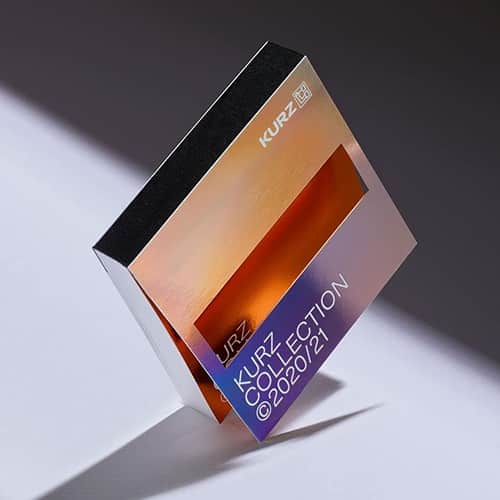
Korean beauty brands use a wide range of packaging approaches, from playful character-led designs to restrained luxury systems. Packaging can help a new product stand out in a crowded shelf or social feed, especially when the product itself is difficult to differentiate from a static photo.
For beauty brands, this makes graphic design more than decoration. Naming, typography, colour, containers, information hierarchy and photography all shape whether the product looks collectible, clinical, playful, premium or ingredient-led.
Global Retail Partnerships Made K-Beauty Easier to Buy
Retail distribution has become as important as social discovery. In August 2026, Sephora launched an OLIVE YOUNG-curated assortment of 19 Korean beauty brands in more than 500 U.S. stores and on Sephora.com, with expansion planned to additional international markets. (Sephora Newsroom)
That rollout is a strong example of how category growth moves from trend discovery into established retail infrastructure. Brand Vision's analysis of Sephora's marketing strategy shows how retail curation, loyalty and omnichannel distribution can accelerate discovery for emerging brands. Retailers also act as trust and education layers: merchandising, reviews, loyalty data, sampling, search filters and in-store placement can help unfamiliar brands overcome the friction of entering a new market. That means distribution is not merely a logistics decision. For a category with many new names and ingredient stories, the retailer can shape which products consumers notice first and how the category is explained.
How Leading Korean Skincare Brands Position Themselves
The category includes many different brand positions rather than one shared promise. The examples below are useful as marketing cases, not endorsements of clinical efficacy.
Laneige
Laneige is strongly associated with hydration-focused positioning and products such as the Water Sleeping Mask. The brand demonstrates how a simple benefit territory can organize product naming, visuals and retailer education.

Innisfree
Innisfree has long used Jeju Island, botanical ingredients and nature-led imagery as major parts of its brand story. Its marketing shows how origin and sourcing narratives can become recognizable visual and verbal assets.

Sulwhasoo
Sulwhasoo occupies a luxury position and draws heavily on Korean herbal traditions in its storytelling. The brand uses heritage, premium packaging and ritual to distinguish itself from more accessible K-beauty labels.

COSRX
COSRX is known for ingredient-forward, problem-focused positioning and relatively direct packaging. Its success shows the appeal of brands that make the product purpose easy to understand without requiring an elaborate luxury story.

Dr. Jart+
Dr. Jart+ became highly visible internationally through lines such as Ceramidin and Cicapair. The brand mixes clinical-looking visual cues with bold colour systems, creating packaging that is recognizable in both specialty retail and social content.

What K-Beauty Marketers Can Learn From the Category
The global rise of K-beauty is better explained by a combination of product development, export growth, retail access, packaging and creator-led discovery than by a single viral trend. In 2025, Korean cosmetics reached a record $11.4 billion in exports, and in 2026 Sephora expanded an OLIVE YOUNG-curated K-beauty assortment into hundreds of U.S. stores. Those are signs of durable commercial infrastructure, not just social-media attention.
For beauty brands, the practical lesson is to build a clear product story, make the visual system easy to recognize, and create content that helps consumers understand where the product fits. Strong B2C marketing should make discovery easier without turning creators into medical authorities or promising results that cannot be supported.
If a beauty brand needs to connect positioning, packaging and digital discovery more clearly, Brand Vision can help align branding with the customer journey. Contact Brand Vision to discuss the strategy.